CASSANDRA HSIAO is an undergraduate at Yale University, majoring in Theater Studies and Ethnicity, Race & Migration. Her poetry, fiction and memoirs have been recognized by Storyscape, Arts by the People, Rambutan, Animal, Claremont Review, and Jet Fuel. Her plays have been selected as finalists for national playwriting competitions held by The Blank Theatre, Writopia Labs, Princeton University, Durango Arts Center, California Playwrights Project and YouthPLAYS. She was also recognized for her journalism work as a Voices fellow by the Asian American Journalists Association (AAJA).
PAUL ILECHKO is the author of the chapbooks Bartok in Winter (Flutter Press, 2018) and Graph of Life (Finishing Line Press, 2018). His work has appeared in a variety of journals, including Manhattanville Review, West Trade Review, Cathexis Northwest Press, Otoliths and Pithead Chapel. He lives with his partner in Lambertville, NJ.
Devanshi Khetarpal: Hello everyone! So I am Devanshi Khetarpal, the editor-in-chief and founder of Inklette Magazine. And this is the second blog in the COVID-19 Blog Series of Inklette Magazine. Joining me today is Michele Filgate. Michele Filgate is a contributing editor at Literary Hub and the editor of a critically-acclaimed anthology based on her Longreads essay, What My Mother and I Don’t Talk About. So let’s get right into it! Hey Michele!
Michele Filgate: Hello! How are you?
DK: Good. And so firstly, Michele, I just wanted to ask you how you are doing today and you know, how these past few months have been for you with this pandemic and how you have been holding up throughout all of this.
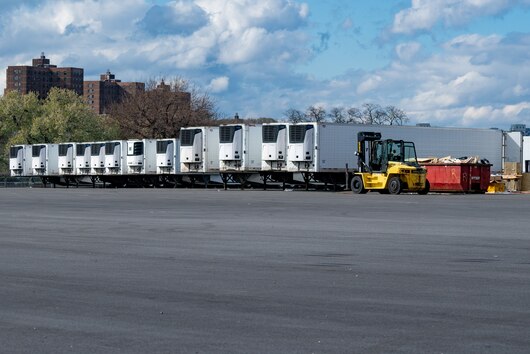
MF: Yeah, so, I was actually in Italy when the pandemic started. I was there from early January and I was supposed to be there until April 1st. But we left– my boyfriend was with me– and we left when the country went into complete lockdown and Trump had issued the travel ban. So I think that we flew home on Friday, March 13th. And it was really weird to come from, to go from Italy where the pandemic had been seeming to slowly unfold and then really escalate, to coming back to New York where, obviously, you know, New York city has been like an epicenter of the outbreak as well. So it’s been really weird. Time is doing something different for me now, like folding in on itself, you know? I feel like a lot of the days feel the same and then some days seem really short and some days seem really long. And I think that having the nicer weather out is helping. But the weather is getting a lot nicer. Today, particularly in New York, it’s going to be a high of eighty-four. So I went out for a run. And that definitely helps. But there are so many surreal moments where stuff almost has become normalised. It really feels normal to go out and wear a mask now where I can see other people in masks. But I still can’t get over some of the changes in the city, you know, like just the idea that now we have to keep six feet apart from people and New York is a place where, as you know from having lived here, people don’t really usually do that when they are walking down the small sidewalks. And you can’t smile at strangers, you know. Your face is hidden behind a mask which is kind of weird. Yesterday, I went for a long walk and it was really weird because I walked past the hospital on Seventh Avenue in Park Slope. And I saw a refrigerated truck there which obviously is being used for a makeshift morgue. And it was…I have seen photos of those trucks in, you know, news articles. But it’s another thing seeing it in front of you. And it just really hit home like, oh god, you know, like this is real. This is not a bad movie. Like this is actually happening and it was really really hard to see.
Refrigerated trucks lined up on Randalls Island, New York. Source: The Washington Post.
So there are moments like that that are really sobering and horrifying. And then there are moments where you see people coming together and it makes me proud to be a New Yorker in those moments. Like, you know, just even the seven o’clock everyday when people are cheering for essential workers and, you know, leaning out their windows or using pots and pans and being creative to make noise. You know, some people play New York, New York in some of the neighbourhoods that I have walked around in. So that, moments like that, it feels like, okay we’re all in this together. You know? And I keep having to remind myself that this isn’t just something that we all individually are going through. It’s something we’re collectively going through. So, yeah.
DK: And, yeah, I mean I thought that it was interesting you said that “time is folding in on itself” because it definitely is. Like, I had to manage this semester in kind of two timezones, you know? And it was challenging and it kind of makes me, kind of lose all notions of time that I had but also, I think as a writer or as, you know, readers, we’re constantly seeing this in novels, like you know going back and forth in time. And you write a lot about, or at least I think, you know, there’s a lot of the past that comes in, and a lot of like, you know, loneliness, memory.
MF: Yeah.
DK: I am thinking of how that maybe has changed for you as a writer or as a reader. You know, those notions.
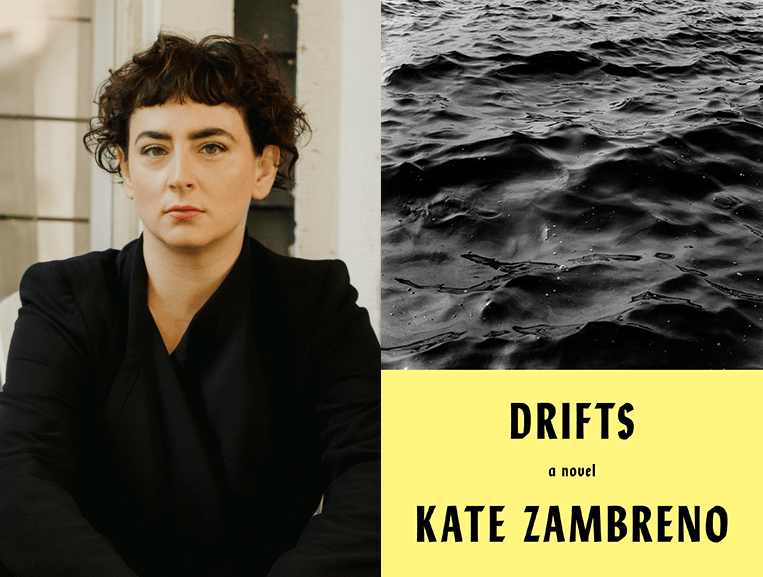
MF: Yeah. I have been thinking a lot about time and the body. Particularly with one of my favourite books of the year that comes out next week. It’s called Drifts by Kate Zambreno. Have you read anything by her before?
Kate Zambreno, author of Drifts (Credit: Heather Sten). Source: Poets & Writers
DK: No, but I saw your interview with her on your website.
MF: Yeah, I interviewed her several years ago for The Paris Review Daily but her new book is a book that is about…it’s a novel, right, but it’s semi-autobiographical and it’s about a writer living in Brooklyn– Kate lives in Brooklyn– working on a book called Drifts, which is the name of this book, keeping notebooks and trying to kind of be able to…she’s attempting to replicate what it’s like to move through the world as a writer, and the way a writer thinks and the way a writer makes connections between everything that they can and so she folds in a lot of other artists and not just writers, you know. She does talk a lot about Rilke and his work habits but she also talks about, you know, a bunch of artists too and filmmakers, Agnès Varda being one of them. And so I really love the way she writes it because it is written in these fragmented bursts and it’s mimicking like writing in a notebook, which is what the narrator is doing and there are just so many incredible moments in this. I really feel like it’s a book of our moment because this narrator is feeling incredibly isolated, right? She’s in her home a lot of the time and she’s trying to work on this project. She’s walking around her neighbourhood and taking photos of the same trees everyday, noticing how one of them looks like the famous painting, The Scream. You know she’ll walk around and see her neighbours like that.
The Scream (1895) by Edvard Munch.
At one point, when it’s during Halloween and there’s cobwebs that are up as decorations and she connects that to a famous philosopher. So she’s always jumping from one thing to another. And I just, I really really love how she does that. But she’s also…this is a novel for our moment because it’s about isolation in many ways and the ways that writers can feel that solitude a lot but there’s also a lot about being in communion with other artists, with other minds and that’s something that we can do in this moment, right? Like we’re not socially distanced from the art that we need right now. And many people, I’ve noticed, are, you know, actually like reading a lot, and watching a lot of movies and in a way that they couldn’t during the first month of this because we were all like, what is happening, you know, constantly checking the news and I feel like now that it’s been normalised a little bit, everyone I know is kind of trying to turn to something that can feed them, nourish them during this time. I actually saw, I forget who wrote it, but I just saw a few weeks ago an article about how watching foreign films is the perfect thing to do during this moment because you can’t be looking at your phone and at social media and the news because you have to read the captions, the subtitles, and so I was like, yeah that’s actually kind of brilliant. I’ve been watching a few French films which I really love. So yeah, I think that the moment we’re in, while it’s incredibly depressing in a lot of ways, it’s also, it can be intellectually stimulating for those of us who are lucky enough to not have to be out working on the frontlines of this right now.
DK: Yeah. Yeah, and I think what you said kind of brought me back to… I was reading one of your essays, which I think, I really love, you wrote for Lit Hub, which is ‘Writers, The Loneliest Artists of All.’ And you know, you have this one line there which really kind of stuck with me: “We are ourselves before we are actually ourselves.” And I have been thinking about that a lot because it’s kind of like, like I am still able to write at home even though I was so used to going out for walks and you know, sitting in cafes and writing at public places, and listening to conversations. But I am still able to imagine people in a sense or imagine characters, imagine language or what happens. And it’s interesting, you know, like, how there’s this kind of…how I think that we kind of knew this as writers about the practice of writing but we are being reintroduced to it in a radically different way. Or we kind of knew all these things about literature. But they’re just coming to light in such drastic, dramatic ways. And there was a really interesting webinar with Olivia Laing where she kind of said the same thing. Like, you know, she’s going back to all the artists that she had been thinking of and kind of, you know, seeing like, “oh there was rage here” that she didn’t see or maybe there was… like, she said we have to use it to save ourselves from this crisis of imagination. And yeah, I mean, I was just wondering how your writing practices have changed at home. Like, do you write at a different place now or do you have a different method of writing or conceiving a writing project?
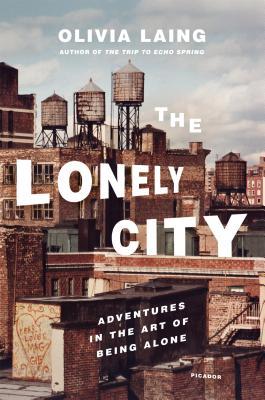
The Lonely City by Olivia Laing (Picador, 2016)
MF: Yeah. Well, first, before I answer that, I just want to say that I am glad you brought up Olivia Laing because she’s another writer for this moment that we’re in. Her book, in particular, The Lonely City, which looks at different artists through the lens of loneliness is another great book for everyone who’s feeling isolated right now. But yeah, in terms of my writing, I am mostly writing in my journal right now. I am really trying, there’s some essays that I want to be writing and I have been taking some notes. And I’ve been really trying to kind of, when I go on walks, observe as much as I can because I feel like I am going to want to remember the moment that we’re in right now and be able to process it months from now when I can see things clearly that I couldn’t necessarily see right now. So I am really thinking a lot, trying to pay attention as I am walking, what’s around me. And I’m trying to think of what else. I mean, for the first, like, six weeks that I got back from Italy, I couldn’t write at all. It was just total mayhem and just like me in survival mode and I couldn’t even read at first which is not like me at all. Books are always things that kind of keep me grounded. Then finally what I did was I tried reading a favorite book of mine from when I was a kid because I thought, okay, what I really need right now is some kind of comfort, right? So I re-read A Tree Grows in Brooklyn which I hadn’t read since I was twelve or something, I don’t even remember. I still remembered so many of the scenes so vividly even though I hadn’t read this book in several decades. And it was so…it was like seeing an old friend again in a way that some characters just live inside of us. So that really brought me back to like reading in my normal way and thinking in my normal way.
A Tree Grows in Brooklyn by Betty Smith (Harper Perennial, 2018)
But yeah, right now, I would say the biggest thing I am doing for my practice is writing by hand in my notebook. I started doing a thing that my former professor, Hannah Tinti, taught me which has been so helpful. And it actually, it comes from Lynda Barry who is a fantastic graphic novelist, and it’s called ‘the five-minute journal.’ And what you do is you divide a page into four quadrants and in the first quadrant, you put seven things that you did that day. So it can be anything from like, eating a bagel to taking a shower to whatever, you know, very basic things. And the second quadrant and that’s…this one is the most important one to me, is seven things that you noticed so it’s really about practising the art of observation. And for me, what has really hit home for me is how when you’re in the same space everyday, day after day, especially in quarantine, when you are walking around your neighbourhood, your eyes glaze over things that you’re just used to seeing all the time. You just, like, it’s the same as if you’re reading something that you just wrote, right? Your eyes will skip over certain sentences maybe. So this is to me, the second quadrant where you write the seven things down that you noticed, is all about training yourself to really see the world through a pair of curious eyes that might be looking at things that you see all the time in a new way. And also just noticing the gradual changes of things too, you know, like trees change in our neighbourhood. You know, there might be a different piece of garbage on the sidewalk in front of somebody’s house, you know, there might be something that someone put out on their stoop. So practising that kind of, like, deep observation is key. And then, in the third quadrant– and this is easier to do when we’re not quarantined– but you can, you know, at least here in New York you can still hear people talk when you’re walking past them, but it’s to eavesdrop and write down one piece of dialogue that you overhear. I used to really love to do that on the subway, in particular, because… and in cafes because you just are always surprised at what people might say and they don’t realize people are listening. And in the fourth quadrant, you doodle something and I suck at drawing but the whole idea of that is just that doodling is all creativity. And so you can really have fun with it and, you know, I bought, like, glitter crayons, like, you know, and coloured pencils and stickers and stuff. So you can really just make this journal your own and the thing that Hannah Tinti said about it when she taught this to my class is that it serves as a memory palace for you so that when you’re stuck with your writing, you can go back and flip it open to any day. And these things that you wrote down that didn’t take a long time to do can open up all kinds of associations and memories for you for things to write about. So, I love that.
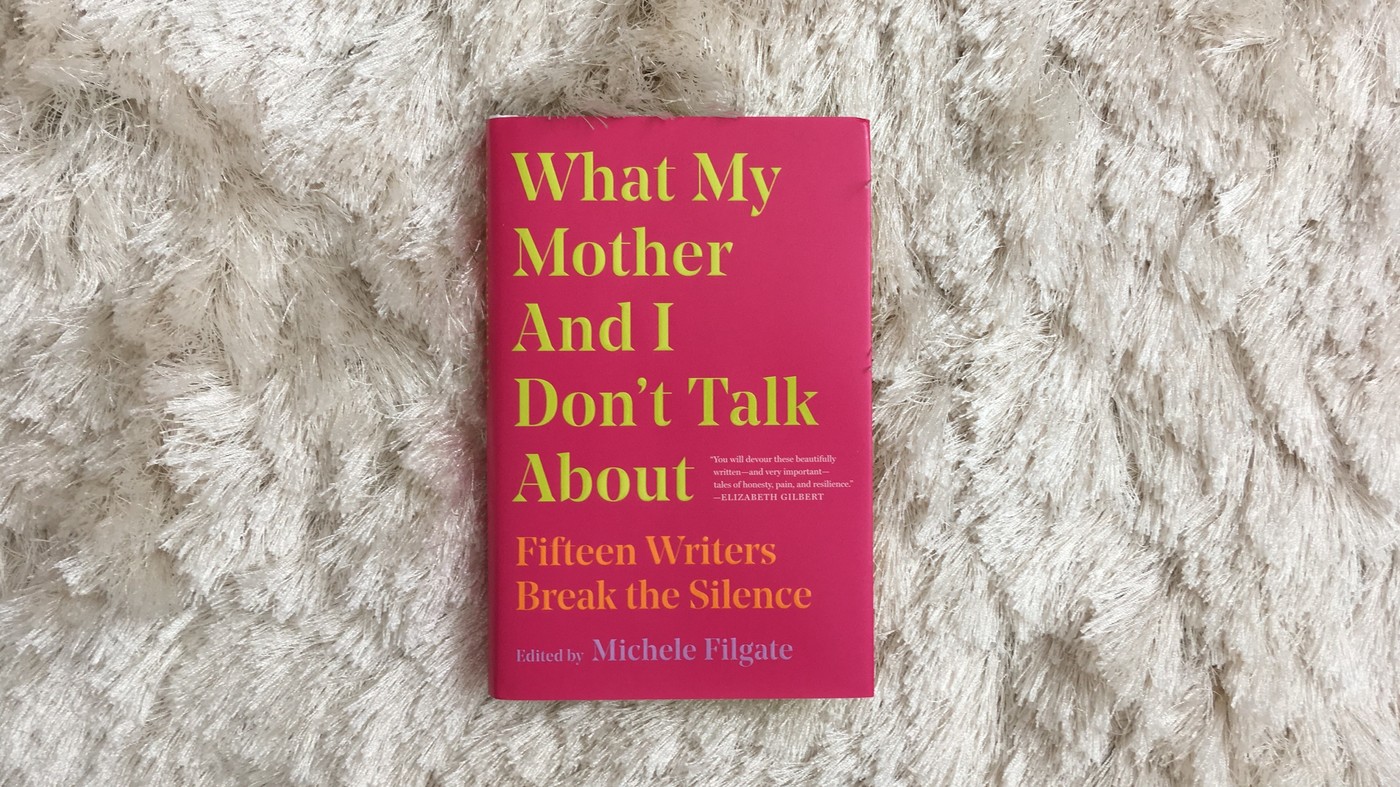
What My Mother and I Don’t Talk About: Fifteen Writers Break the Silence, edited by Michele Filgate (Simon & Schuster, 2019). Source: NPR
DK: And kind of speaking on that note I think that, you know, your essay What My Mother and I Don’t Talk About, was kind of a generative project and a writing prompt for so many other writers that, you know, initially made that anthology. And it’s kind of interesting and fascinating to me not just because it was, you know, just one of those things that I, you know, you never think about writing or telling anyone, but it was also interesting because I think we’re living in a culture where we’re so…we’re so used to like taking ownership of our ideas and kind of not having them open to others for adaptation, for experimentation. So I think that it was really interesting that there was an entire anthology that was shaped around this one, you know, idea, this essay, this one piece of writing. But at the same time, it was so different for every writer. And I think that, I kind of must have briefly said it, but it was, you know, it was just so…it was so fascinating to see that everyone had a different story to tell. Like,I remember being at the event at McNally Jackson and it was like, you know, the whole panel just had…you know, some had this perfect relationship and some had…which is you know, again, very hard to write about but it was interesting. And so did you ever feel, um, did you ever think or reflect on this culture that asks you to take ownership of your ideas or were you… I mean, obviously you must’ve been very happy with everyone taking to it in different ways but yeah, what do you think about this, in general?
MF: Well, I think it’s just really interesting that everyone did have a really different story in that anthology but yet they’re people with completely different backgrounds and relationships with their moms. There were also some common threads that could be found throughout some of these pieces as well so I found that fascinating too. But I think it’s a universal thing that our relationship to our mother, even if we never knew her or if she’s no longer here, especially like from people who I’ve talked to who’ve lost their mothers, you know, whose mothers passed away, they’re still in an involving relationship even though the person is no longer here. There’s still that relationship there, right? And our relationships change over time and the stories that we tell change, they might change over time depending on where we are in our life. Something we focus on now might be different ten years from now, so if I went and asked all those writers a decade from now to write about what they don’t talk about with their moms, again, it could be a very, very different thing and that’s fascinating to me. So I am really glad about all the differences that emerged in that book too though, I think that it’s, it’s a testament to all the different kinds of stories that can be told about one of the most significant relationships in a lot of people’s lives. And so, yeah, I was really, really pleased with all the different stories that came in for that book and to me, it was very important from the get-go to have them be, you know, a variety, to have a wide spectrum because… especially my editor felt this way too. We didn’t want it to be just like, “here are a bunch of abuse essays,” or, you know, depressing pieces. We wanted to have different emotions that came up while people read and we wanted different experiences so that’s why in that book there were some people who are extremely close to their mom and some people who are, you know, not so close. And so, I, I…yeah.
DK: Yeah, and I mean it’s interesting because…I was just thinking like how I am back at home with my mother and you know, some people are away from their mothers and some aren’t close to them. And that’s such a…that’s a different and difficult thing for everyone because, you know, your relationships are tinged by loss in a very different way now. You know, with this pandemic where everyone is vulnerable and everyone can make everyone vulnerable in a different way and at the same time, it’s interesting being unexpectedly in these closed spaces with, you know, your parents or anyone really, or even no one. And so I wondered if, you know, this is just out of curiosity, if you’ve been in touch with the writers or the writers’ whose relationships to their mothers have changed, or relationships with others has changed in this time or what my mother and I don’t talk about has changed for any of them.
MF: I don’t know actually about the writers who are in the book right now who…I think a lot of them are probably not with their moms but yeah, I’ve heard more from friends who are, you know, quarantined with their significant others and the challenges with that. I think that no matter who you are quarantined with, the fact is that it’s hard to spend a long amount of time with anyone no matter how much you love them, so. But I am sure that people who are staying with their family right now, that brings up its own challenges. Yeah, I’d be curious how is it for you being back with your mom right now. I mean, is it good?
DK: I mean, I think that… I’m living with my parents and my grandparents, so it’s kind of…it’s difficult because, it’s kind of, I have to keep them patient and not have them be agitated. Like ,my grandparents really want to go out, they really want to meet their friends and…
MF: Yeah.
DK: …they lead lonely lives and they don’t have work. But I think that, I think everything’s fine with my parents so far, so right now I’ve just kind of been in my own space being like, ‘I have to write this essay or get this thing out, or I have to read.’ So I think it’s kind of, I have enough to occupy me at the moment but I don’t know how it’s going to be when, you know, things ease and I just have more time and, but…
MF: Right. It is interesting because you can kind of, you know, lose yourself in your work it sounds like. Which is great that you can carve out the space for that.
DK: Yeah, and it’s definitely a privilege. But I think it’s also changed like a lot of things that… I do notice my mom and I are not talking about this breakup I had which I am over with but I know she wants to talk about it or something, you know, so it’s interesting and I was thinking about that. Like there…and I can only think of all these funny things that we don’t talk about at the moment, you know. Like, who made better banana bread or something. But it’s definitely been interesting to think about how, I mean, even just being with our bodies in different ways is so…I mean I think that I was, I mean, speaking of New York, it’s kind of this place where you interact with so many bodies or your body becomes so porous in a certain sense like, I was thinking of the feeling of being on the subway and you don’t really have a choice and you need a certain abandon moving in New York. And it’s difficult now to be in a space where I think that a lot of my, in my writing too, it’s like the sensory part that has been limited to a certain extent where, you know, there is not enough touch or not the full spectrum of it, or there’s not enough sight and sound or the full spectrum of it. So I have to rely on my memory of my senses and I wondered how you are dealing with this sensory limitation.
An empty subway train in New York City, March 17, 2020. Source: Reuters
MF: That’s a great question, yeah. Um, well part of the journalling that I talked about really relies on focusing on sensory details so that helps a lot. But I think by going outside for walks, I still feel like, yes, the world has changed, but I still see it around me. It’s still the world. It’s a different world but it’s still the world. So there are still so many things happening around you, unfolding around you. But I often, when I am writing, I am writing about past experiences anyway typically. So I usually have to rely on the memories of those senses. And sometimes something like a smell can bring that back or listening to a song from that time can bring it back, or looking at a photo or reading emails from…you know. There are certain things that can jolt a memory but yeah, I think right now people do feel kind of confined and trapped and you’re experiencing kind of the same sensory things over and over if you are stuck in a house or apartment, in my case, a tiny one bedroom apartment in Brooklyn, you know. I think, yeah, I just think that like the world is still going and we have to remind ourselves of the importance of writing too. I think that I heard a lot of writers saying in the beginning, and I kind of felt this way too, when we were kind of hitting the peak, people, a lot of writers were kind of like, what…why? What does it matter what we do compared to someone who can save someone’s life, you know. A medical professional or somebody who working in a grocery store and letting people, enabling people to still eat right now. It was kind of hard to grapple with the role of the writer in what all of this means. But for me, it’s become abundantly clear what matters over even the past several weeks, which is that stories have always been what have saved me and how I have made sense of the world. And people are turning to stories and art right now to understand what’s happening and they will really need to keep doing that in the years to come after this, trying to understand this moment. So another thing I have been doing to help my writing is listening to a lot of like, creative, ‘self-helpy’ podcasts while I am on these walks. So Cheryl Strayed’s ‘Sugar Calling,’ which is a new podcast where she calls writers who are over sixty and talks to them about the moment we’re in and their creative process. I absolutely love that podcast. She just interviewed Billy Collins, the poet, recently. And she had a great one with Amy Tan. So, and then another favorite podcast of mine is Krista Tippett’s ‘On Being.’ Do you listen to that podcast at all? Have you ever listened to that?
DK: No, I haven’t but I’ve listened to Cheryl Strayed’s.
MF: I love Cheryl. Well, Krista Tippett does, so it’s a spirituality podcast but I don’t consider myself a religious person at all and she, I’m just more interested in, like, the fact that she interviews a bunch of poets and writers on this show as well. And recently they had a book club about Pema Chödrön’s When Things Fall Apart, because I think that some Buddhist principles are really going to help me through this moment right now. So that’s, yeah, so those podcasts. Dani Shapiro also has a podcast called, I think it’s called ‘The Way We Live Now,’ that she just started where she’s interviewing different people about how their lives have changed since the pandemic began and there’s a great one with the writer Esmé Weijun Wang on mental health and writing through this time period. Yeah, so all of those things have kind of helped me stay grounded and stay inspired and are good reminders of what matters the most.
DK: Yeah, and I think that’s really helpful. And thank you for those podcast recommendations. I have been, like, looking forward to listening to more, especially now that I am not. I think all the places where I listened to music or podcasts are also just like boiled down, like it was the subway or it was at other public places or just walking around and now at least in India, our, like, walking or running is still restricted at this point so it’s kind of, like, you know, it’s like, okay, I have to do this while I am cleaning, I guess, or sorting something. But I think just to end, I was wondering if you would have any book or film or, I mean, you gave us many podcast recommendations so that’s nice, but do you have any music recommendations?
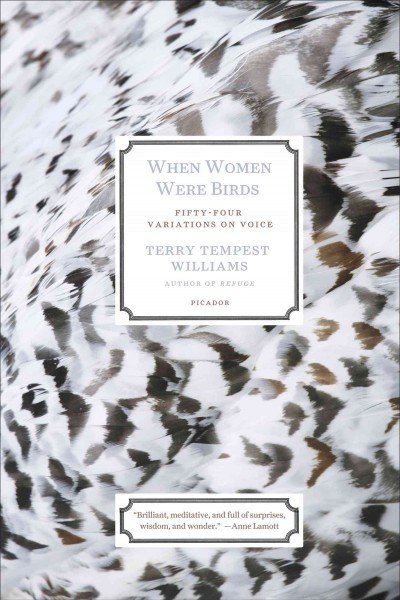
When Women Were Birds by Terry Tempest Williams (Picador, 2013)
MF: Yeah. I just read When Women Were Birds by Terry Tempest Williams, which is a fascinating book about…Terry’s mother leaves her journals to her and tells her not to look at them until after she’s gone and so after her mother dies, she looks at all of these journals and every single journal is blank. And so this book is really a meditation on why did my mother leave me all of her blank journals? And what does that mean? And what does a woman’s voice mean? And what does silence mean? And so, it’s this beautiful meditation on her relationship with her mom but also on trying to give her mother a story and to understand why her mother made the choice she did. So I loved it and it’s written in very short chapters so it’s kind of a good book for our moment. Like, it’s easy to read a couple at a time and then put it down if you need to, if you feel distracted. For movies, I just want to make sure I get the name right. Hold on. I think it’s called ‘Cleo from 5 to 7.’ Have you seen this before?
DK: I haven’t, no.
MF: I’m just googling. I just want to make sure I have the name right.
DK: The 1962 film?
MF: Yeah, so ‘Cleo from 5 to 7′ is an Agnès Varda film and it’s a woman who is walking around Paris while she’s waiting to get the results of a biopsy back. And so there are, first of all, I love it ’cause it’s a female director and Paris and it’s 1960s and it really has this sort of sense of being a flaneur walking, you know, going around the city and seeing so much of a city from that era. And for…it’s kind of a good thing to watch in isolation because if you’re really confined, it’ll make you feel like you’re walking around Paris with her. So I’d recommend that, haha. I also watched ‘Rear Window’ for the first time which I had never seen– the Alfred Hitchcock movie. And with James Stewart being stuck in an apartment in New York and witnessing a potential murder and so that was really a great movie to watch. And then I watched ‘Outbreak’ which probably wasn’t a smart thing to do because watching a pandemic movie maybe during a pandemic is probably not the best choice. But I am the kind of person who likes watching stuff about what I am going through so that movie was just entertaining in a cheesy 90s way. Those are some…
DK: These are some good recommendations. I was actually reading, or revisiting too, like, [Elena] Ferrante and started this book club. And it’s interesting because I am writing my entire thesis on cities and how women dissolve into cities and everything, so I think that it’s certainly interesting to imagine and watch it even in films and the TV series that are based on her works. Because it’s just such– and it’s Italy and it’s the south of Italy, it’s places I love and it’s interesting to feel…it’s interesting to feel both close and distant to those cities and to that language.
MF: Absolutely.
DK: Because I just don’t hear Italian now which is strange because I am used to hearing it sometimes or going to places where I can hear it. So yeah it’s been interesting. I can totally see…I am really interested in ‘Cleo from 5 to 7’ for that reason.
MF: Yeah, I think you’d like it. And have you read the Ferrante…I mean, have you watched those TV series based on the Ferrante’s Neapolitan quartet?
DK: Yeah, I watched Season 1 and Season 2, I watched a couple of episodes. And so, like, I am gonna go back to it once I get to.
MF: It’s really good. So that was something that I have been watching in quarantine. And so that’s been making me incredibly nostalgic for Italy and it was so hard to leave Italy and not be able to, like it felt, I mean we really did leave at, like, four in the morning without saying goodbye to any of our friends that we had made there and just kind of fleeing the country to get home. And it was just this chaotic, crazy, long trip back where it was very disconcerting because, you know, wearing masks on the plane and kind of travelling at the peak worrying about catching the virus but yeah, so…so I have been watching that show a lot because I am obsessed with Ferrante and with all of Ferrante’s books but especially with the Neapolitan books and I think that the people who have directed the…I am not sure who the director is of the TV show, but whoever did it has really nailed the feelings of those books in so many ways. And he’s really captured– is it a man or a woman who is the director?
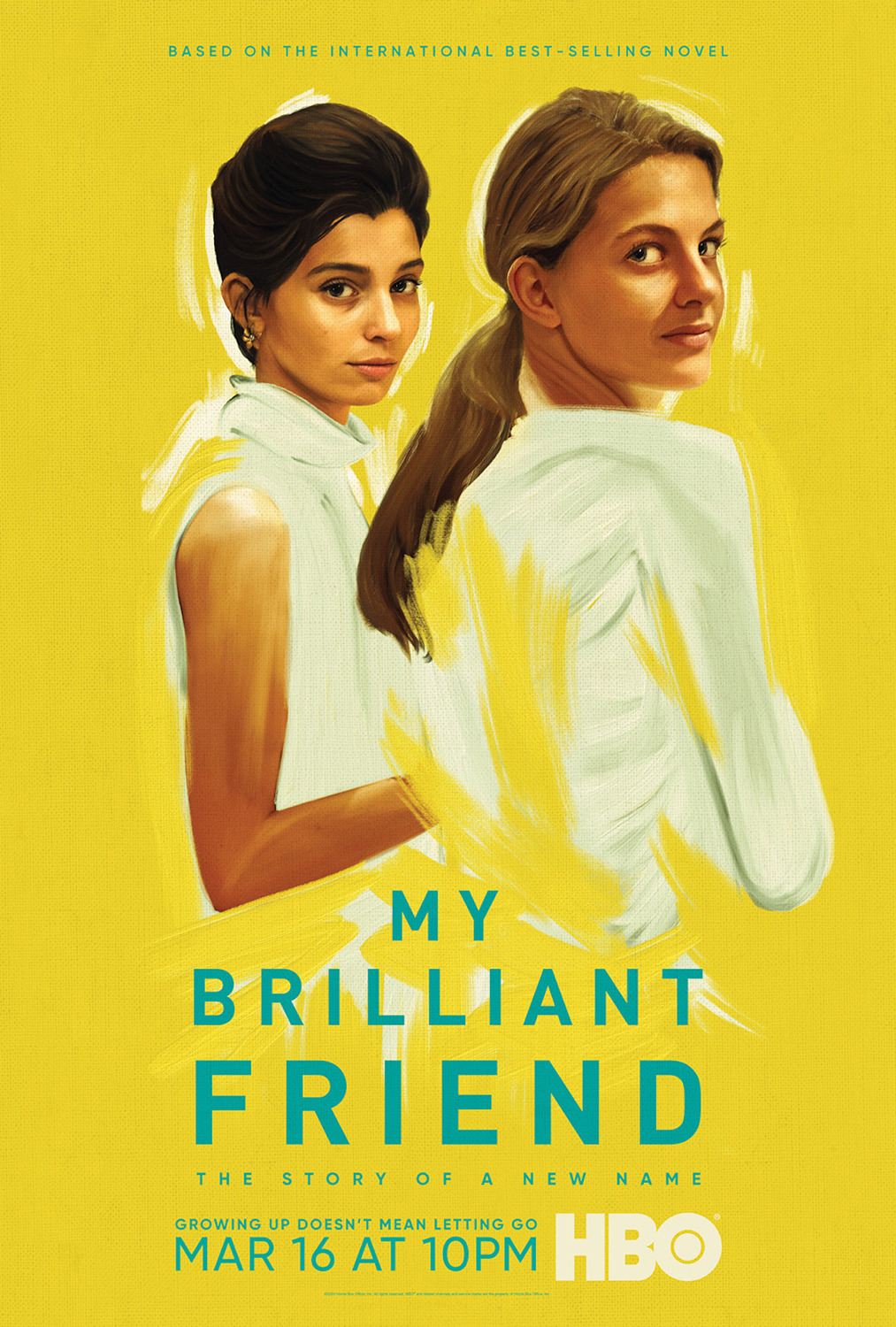
L’Amica Geniale (My Brilliant Friend) dir. Saverio Costanzo. Source: IMDb
DK: It’s a man. And it’s interesting because it’s all in dialect. And yeah, I think, I was actually– I think that only men have so far adapted all of her works for film and TV, and Maggie Gyllenhaal will be the first woman to direct.
MF: Oh! Is she doing something?
DK: She is doing something on The Lost Daughter. And Olivia Colman’s going to be in it. So I am so excited. I…
MF: Oh my gosh!
DK: Yeah, and I, yeah. I think that’s one thing to look forward to.
MF: Oh, you’ve made my day! I had no idea, and I love Maggie Gyllenhaal and I had no idea she was doing this stuff. Wow! That’s very exciting.
DK: Yeah, I hope your day goes well and thank you for this interview.
MF: Of course! And good luck with everything. I hope you are able to get out of your house sometime soon to go for a walk. Is there any end in sight with that? Did they say that you guys will be able to leave anytime soon?
DK: I think they should be lifting restrictions soon and I think there are areas where, you know, one can certainly do that but at limited times obviously. So yeah I think that there is some end in sight to all of this.
MF: Thank goodness.
DK: And yeah, I am just glad that, you know, writers are writing.
MF: Me too.
DK: And they are not this existential crisis , thinking of ‘what are we here to do?’
MF: Right.
DK: Because writing is keeping us all afloat at this point.
MF: Exactly. Absolutely. Well, good luck with your writing.
Michele Filgate is a contributing editor at Literary Hub and the editor of a critically acclaimed anthology based on her Longreads essay, What My Mother and I Don’t Talk About, published by Simon & Schuster. Currently, she is an M.F.A. student at NYU, where she is the recipient of the Stein Fellowship. Her work has appeared in Longreads, The Washington Post, The Los Angeles Times, The Boston Globe, Refinery29, Slice, The Paris Review Daily, Tin House, Gulf Coast, The Rumpus, Salon, Interview Magazine, Buzzfeed, The Barnes & Noble Review, Poets & Writers, CNN.com, Time Out New York, People, The Daily Beast, O, The Oprah Magazine, Men’s Journal, Vulture, Vol. 1 Brooklyn, The Star Tribune, The Quarterly Conversation, The Brooklyn Rail, and other publications. She teaches creative writing at NYU, The Sackett Street Writers’ Workshop, Catapult, and Stanford Continuing Studies and is the founder of the Red Ink series. In 2016, Brooklyn Magazine named her one of “The 100 Most Influential People in Brooklyn Culture.” She’s a former board member of the National Book Critics Circle.
ANGELA FABUNAN: Hello, we are the Inklette editors and we just want to talk about dystopian literature related to the COVID pandemic that is happening around the world. So, I am Angela Fabunan, I’m the poetry editor, one of the poetry editors for Inklette and we’d like to just talk a little bit about it today. So, I live in Manila, we are in lockdown at this moment. We’ve been in a lockdown for about three weeks, two to three weeks now. So no one’s allowed out, no one’s allowed to go anywhere, except for to stay at home. Yeah, so let’s go to Sav.
SAVANNAH SUMMERLIN: Hi! I am Savannah Summerlin. I am a blog editor for Inklette. I hold up in Lake St. Louis, Missouri. I don’t think the Missouri governor has put a stay-in-place for the whole state*, but I think there’s one for like, Kansas City and St. Louis which are like the two major cities. I am just staying at home because that’s the safest thing to do for me and everybody around me. Before COVID hit, I was doing the Disney College program at Walt Disney world. I was a photographer, having a great time and then Disney, obviously, they closed the park so they sent us all home. So now I’m here at home, waiting for things to calm down so I can go back to Disney or move to New York or just, you know, leave my home again basically.
AF: Okay, let’s go to Laurelann!
LAURELANN PARKER: So I’m Laurelann Parker, I’m one of the prose editors for Inklette Magazine. I live in a little, tiny town here in New Hampshire. I’m full time an academic advisor for a local university that has a global campus online as well. And we’re currently working full-time remotely, kind of three weeks already and looking at another four at least so far. And yeah, otherwise, I have a small business that I run online as an e-commerce business so that’s kind of been impacted a little bit, that’s why I have slowed down on shipping things and stuff like that. But we’re only having essential businesses open. We don’t have anything necessarily locked down per se, but it’s encouraged to stay home as much as possible and only go out when needed.
AF: How about you, Joanna?
JOANNA ACEVEDO: Hi! I’m Joanna Acevedo. I’m a prose editor at Inklette and I just started this week, so I am really excited to be here. Before the pandemic started, I was a graduate student and an adjunct professor at New York University. Now, I’m teaching my class online and I’m also taking my current classes online as well. I’m in Brooklyn, I’m in New York City, so it’s the epicenter of the pandemic in the United States. So everything is pretty locked down, but my area in Bushwick is weirdly normal. There’s still people on the streets, people are wearing masks, people are walking around, not in groups but you do see people out on the streets smoking cigarettes and people are still playing music on the streets. So it doesn’t feel that weird but everyone’s wearing masks so there’s like a little dystopian air to the whole thing. The traffic has slowed down. So it’s a little bit strange to walk around. I’ve been taking long solitary walks just to see what’s going on.
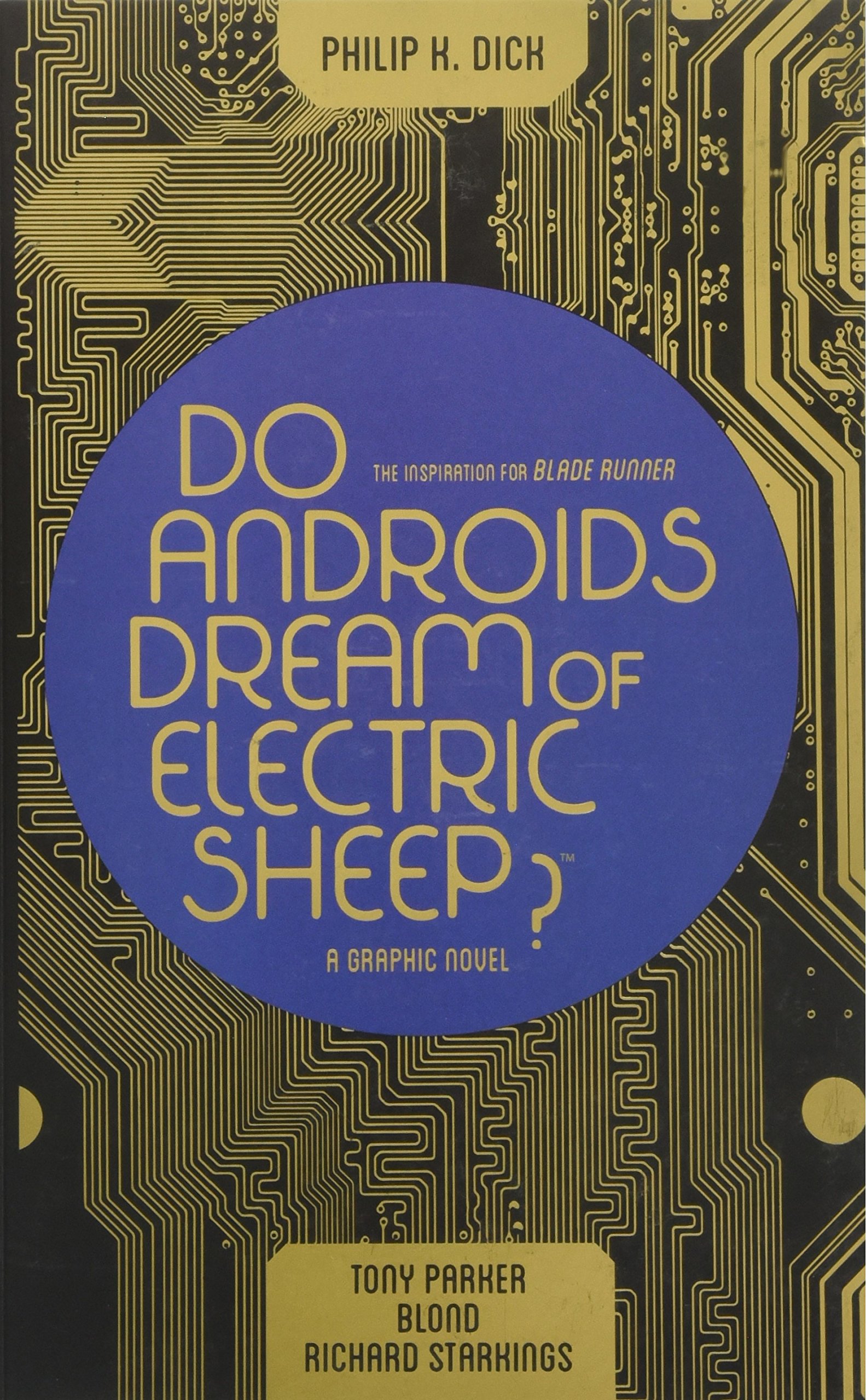
AF: Yeah, so I brought up the topic of dystopian lit, and post-apocalyptic literature and apocalyptic literature because, for me, in Manila, it seems so weird to go out in the streets and there’s no one there, like absolutely zero. And then everyone is in masks like you were saying, so I just thought it reminds me a little bit of like some stuff I read before, like especially when I read, Do Androids Dream of Electric Sheep by Philip K. Dick. Like, different things in that novel are just… like, everyone is online now, right? So everyone is in this cloud and then I feel like there’s a lot of paranoia in my country and I think in a lot of countries too, like, maybe you can relate, of how people are fearful of what’s gonna happen, people are dying, people are not really as well. So what can we pick up from the arts, what can we pick up from literature about this? Is there anything that we can look to?
SS: Well, for me, I thought a little bit about how with us dealing with this pandemic in all the YA dystopian fiction that I read when I was younger, because in those YA fictions, we start out with our protagonist who is going against the government. Everyone else is going with the grain and listening to what the government is saying but that protagonist is going against the government, what they wanna do is actually going to push the society forward and break them out of this horrible little world they’ve been living in. Whereas with us, the people who aren’t listening to what is being said, like we’re being told to stay inside and shelter in place. And it’s those people who are still continuing to go out and enjoy themselves who are actually making the situation worse. So I was kind of thinking about how we have those two parallels going next to each other.
AF: I think it’s also quite interesting how in these dystopian universes, there’s always, like what you said, everyone is always following a sort of leader or a kind of a government. And then their world is turned upside down by one revolutionary minded person, right? Or one upstart, you know? So I just thought that it’s interesting because like The Giver, for example, or in Fahrenheit 451, you have these heroes who do go against whatever is imposed by the government. Usually these are tyrannical governments, or usually these are in that universe of the post-apocalyptic. Anyway, world-building: kind of funny that these people are world-building, that these authors are world-building and yet, the world that we see now is so weird, right? Like, so different. I mean, how is that for you guys? The the world is so different now. Like Joanna was saying, it seems weird to see people in masks, right? What else is different, I guess, in your part of the world?
JA: I’ve been seeing the litter has changed. This is so bizarre. Instead of seeing empty bottles or cigarette butts, I see people leaving abandoned gloves and masks on the ground. And that’s, first of all, gross, but, second of all, even something as banal as litter has changed. It’s just such a small detail that I wouldn’t have thought of when I think of the things that are changing.
SS: Joanna, do you take pictures at all?
JA: I do, yeah!
SS: Because that would be a super-interesting photography series of seeing all these discarded masks and gloves all over New York city.
JA: Yeah, I have been trying to take pictures of nice things. Um, but I do take pictures, so… I’ve been trying to take pictures of flowers, trees blooming. But I can take pictures of that as well.
SS: You don’t have to. That just immediately what came to my mind. Don’t do that! Take pictures of beautiful things. Find beauty.
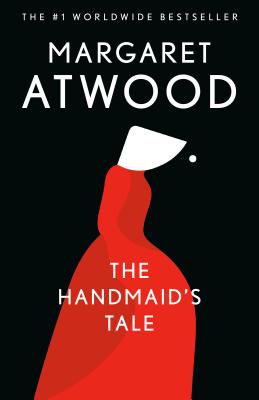
AF: It’s quite funny how, for example, in The Handmaid’s Tale and in [the works by] Jonathan Lethem, like everyone is in their minds, right? And now that we’re stuck inside our homes and we’re sheltering in place, we can’t really get out of our minds. How do you guys feel about that?
LP: I find myself being online a lot more, almost to kind of distract myself from things because I don’t want to spend a lot of mental energy on what’s going on, especially because there’s nothing that I can do other than staying at home and going about my life and doing what I need to do. And I think, in turn, I’ve been trying to kind of trying to balance that out because I don’t want to spend all my time on electronic devices because I already work full-time on a computer. I find myself trying to pursue new ways to spend time outside and coming from a pagan background as well, I think that’s a little bit easier but also kind of refreshing to be able to take the time to shift focus that way. And I think a lot of people are taking a shift toward nature and slowing down and trying to notice new things or do things differently maybe. So I guess that’s the only thing that’s changed for me, really, here. But I don’t know, I think I’m more mentally taxed at the end of the day than I would normally be, in a weird way.
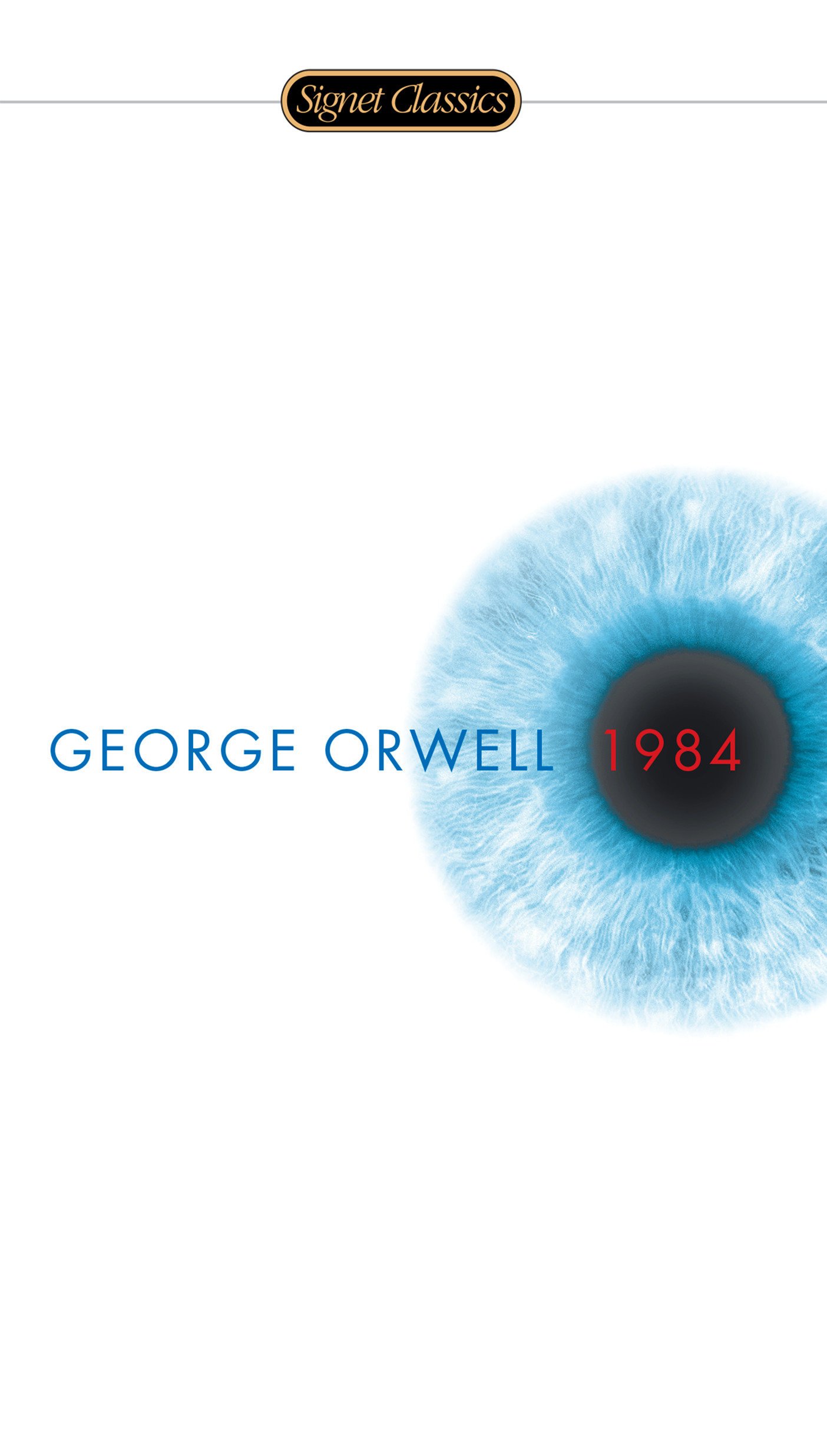
AF: I mean, everyone’s worried and afraid about what’s going to happen. I think what’s important to realise is that some of these scenarios are really coming alive, especially the internet like what you were saying. Because I was thinking of 1984, and right now how everyone is worried about spies, or about someone spying on their information and we live in that world now where, for example, you have malware, and you have all these spy tools that you never really know who’s watching you. That’s very much a mark of dystopian literature, right? That we don’t actually know who’s snooping. And now everyone is online, so it’s really difficult to get offline. But at the same time, when you’re online, you don’t know what’s happening, or you don’t know who has access to things. That’s just interesting, how it feeds on people’s perspectives or views.
JA: Yeah, I got a notification that my screen time has gone up like two hours on my phone since this happened, which is like a lot.
LP: Yeah, I think I’ve seen something similar.
AF: Like, everyday? Like, two hours more than usual everyday? That’s already like ten hours more of screen time per week.
JA: I spend now almost five hours on my phone everyday. Of the, what, 14 waking hours? So almost half.
AF: I mean, work from home is hard. It’s like an eight hour day that you used to spend in the office, now you’re spending the eight hours online, right? So, it’s difficult.
JA: Yeah.
LP: It’s also become a way to connect with other people. Like, slipping on your phone to chat or have video chats like this. I think for a couple of hours last night, I was online with some friends just hanging out and chatting. Like, it was weirdly the most introverted kind of video chat I have had since this has started. Because we were all just hanging out online, not really talking much and playing some sort of game in front of us which was kind of sad, but also just really nice to have that pseudo sort of hangout because it’s what we’d do in person together.
SS: Oh yeah, like with your close friends you’d be like, “Hey, come over,” and then you’d all just be sitting on your phone for hours. And you’d look up, and you’d go, “Oh, I guess you should probably go home.” There was no quality time because like when you get really close to people, you barely have to talk. If you’re close to someone, you’re probably talking anyways. When they come over, it’s not like you have much new to say. So it’s like, do what you’re going to do at home but with me so I have company.
JA: One of my best friends and I, what we do is we get together and drink wine and we sit in the same room and we go on dating apps.
AF: We do the same, but now on Zoom! Like, me and my friends are zooming and holding like liquor or beer in our hands and it’s weird and it’s bizarre but no one is allowed to go outside. It’s stricter in the Philippines than it is, from what I know, in the US. But it’s just kind of bizarre to look at our Zoom pictures and see that we’re all holding liquor. And then, you know, stuff like that. It’s just weird. I think it’s funny in this bizarre way.
LP: Like, last night, me and my friend were the first two that got on together last night. He showed me his drink, like “hey I got wine here,” and we just did one of these [cheers] at the screen.
AF: You cheered? Haha, alright. Okay, so what other takeaways can we take from our photography, literature? What other things, do you think, or scenarios remind us of this?
JA: I’ve been thinking a lot about the YA book, Life as We Knew It. Does anyone remember this book?
LP: I don’t know if I read that one but it sounds familiar.
SS: I think I’ve read it.
JA: Where the asteroid hits the moon.
SS: YES! Oh, sorry.
JA: Okay, so it’s this book where an asteroid hits the moon and knocks it closer into orbit with the earth and so it totally screws up the tides, and there are all these tsunamis and then there are all these droughts. It’s about this suburban family. First, things are kind of okay and they have a bunch of canned food and the family is alright and they’re doing fine and school ends. And it’s summer and the two kids are fine. And then, things start to get weird. There’s a drought, and then there’s flooding, and then there’s a snowstorm, and then the kids get sick and then the mom gets sick, and then the teenage daughter. It just gets worse and worse and worse. And I keep thinking of how things are okay right now but we don’t know how things are going to change in the future. We’re doing fine right now. And I’m personally, like, I’m fine. I have a job and I’m FaceTiming my friends and I’m doing fine and I’m getting work done and I’m pretty happy. But we don’t know what tomorrow is going to bring, we don’t know what the next day is going to bring. And that’s what is getting to me. That question of: what’s next month going to look like? What’s next year going to look like?
SS: We don’t have an end date.
JA: Yeah, and so Life As We Knew It is really getting to me.
AF: Especially because now we don’t know. Like, there are countries where they don’t know where to bury their dead too. Like, just so many people dying, so many people are sick that the schools are turning into hospitals and all these things. So, it’s changing and we don’t know what’s going to happen next. And that’s really difficult. But I think that if it is an indication, there are positive few changes. I know that because there’s less traffic, the earth is healing. Have you heard of this? That more of the ozone layer is healing because of less pollution in the air because more people are staying at home and stuff like that.
SS: Animals are starting to return to places they used to be in as well. I saw dolphins come back to the canals of Venice but then I saw that was fake. But I like to think that it’s true because I like dolphins and I love to imagine a situation where I can be in Venice and see dolphins in canals but I know that by the time I can get to Venice once this is over, they’re gone. Because life has returned to normal. But just all over, they are coming down from where they were because we’re not there so like what’s going on and they are kind of reclaiming all these spaces we took from them long ago. So it’s nice that they have it even for this little while and that something kind of good is coming. Not good but, you know, there’s a positive in all of this negative that can be found.
AF: Right, right. I mean, it feels like there has to be something good that comes out of this. It just can’t be all this bad. Is there anything that we can do as readers? What is the role of literature at this time? Or the arts and humanities? What is its role? How will it help other people?
JA: I thought about this a lot as a writing teacher. Because when this first started happening, I was like, oh my god, I am not a doctor or nurse. I’m totally useless. My skills involve teaching narrative structure to teenagers. Like, I can’t help anyone with anything. I sit around and think about sentence structure all day. Like, what have I been doing with my entire life? And then I had, you know, like a crisis of faith. And then I sat down and I thought, you know, this is what I can do. This is what I’ve got and I might as well just keep doing it. And I sat down with my students and we made a list of ways to write during the end of the world. And there were things like: get out of your environment, move to another room in your apartment, or think about a memory that makes you happy, or do a character study instead of trying to write a piece, or write in a genre that you don’t normally write in. So just things that could get you out of your rut.
LP: I think, similarly, free-writing could probably be really helpful. Just to kind of letting things flow, or sometimes even journalling, I think, can be really helpful when we’re stressed out. Things to kind of loosen things up a little bit. And allow you to more easily write otherwise, because if you have decluttered [your mind], it might allow you to come to the page easier.
JA: So I think that when you have no other skills like I do, that art is kind of the only thing you can do, you have a responsibility to keep doing it.
LP: I think art is also increasingly important when it comes as a form of a de-stressor for a lot of people, whether it’s writing or being able to read and have that kind of escapism from what’s going on, or, in general, creating can be therapeutic for a lot of people. Like a lot more people lately have been saying, “Oh, I decided to do this painting,” or something. Or, like, “I am getting to more craft things.” I think that’s really cool. And I love to see more people get into that and I think it’s interesting how the arts seem a lot more appreciative these days.
AF: Actually, that’s true because I think a lot of people are turning to art because they need it, because some people feel like if it’s dark times, the first thing that they’ll turn to is art to help lift them up from it. So it’s true what you guys are saying. But also, I think that art, at least for the Philippines and for the people on the Philippines, in this country I think art helps as a witness, to bear witness to things that are happening here and to bear witness to their daily lives and how it’s changing. And I think that’s helpful. Because we do need to keep a living record of these things that are happening in our various countries and in our daily lives. What about you, Sav? What do you think?
SS: I definitely think that whether or not people realise that they are turning to art more and more, like they are picking up and going to Netflix and watching their favorite comedy over and over again, or they are re-reading their favorite book. Like you said, they are picking up a random craft: they are painting, or they are knitting. But I’m kind of torn between knowing that I should be using this time to create because my job was taken from me, I am at home. This would be the perfect time to think of something or produce something that I am proud of. But I also feel like because we live in a capitalist society, at least in the United States, productivity is kind of ingrained in me. I’m like, “Oh, I have time off where I am not working. I have to be productive.” Well, that’s not true. I very much struggle with writing when I am not inspired. I’m very much a person, like, I’ll be getting into bed and then a poem idea pops in my head and I guess I’m not going to bed. But that’s like where I do the majority of my writing. I feel very stuck when someone is like, “Oh you have to sit down and you have to write this,” which makes me go back to older ideas I had and then I kind of get started. So I am kind of fighting the battle between wanting to write and create and feeling like I have to write and create because I don’t want this to end in, you know, however many weeks or months, and people going, “Oh what did you do during quarantine?” and then if I say, “Nothing,” they’re like, “Oh you didn’t write anything or read anything?” And I’m like, “what’s wrong with me saying yes?” Is yes or no the correct answer? There is no correct answer, I am supposed to do what’s best for me. And just because I am not creating art doesn’t mean I am not consuming it. Like, you look at my Netflix or my Hulu, I’m definitely consuming art. But I do think I want to start creating it, but not for anyone else. Just for me to start making sense of everything that’s going on. I definitely agree that we should be using art as like markers for what’s happening to keep record but I don’t think that’s going to be my vibe. Only because I am in suburban Missouri so when it’s a nice day, it doesn’t look like anything has changed. Like, people are outside. They are playing with their kids in their yard. So it’s a disconnect. I see all these things happening on the news, and it doesn’t necessarily feel like my reality because if I go to the grocery store, there are still cars in the street, there is really not a lot different yet. I am hoping it doesn’t become too different.
AF: I think what is interesting too is that we become more in tune with ourselves, like when we’re in solitude. So if you haven’t really seen as many people as you are used to seeing or if you’re just alone in your room all the time self-quarantining, and for people who live like all over the world would do that. Or who are at risk and have to self-quarantine. I think it’s important to take this time to really just think and it can be about the arts. It can be about anything. Just really think and get in touch with yourself for whatever purpose. I think we’ve been given this time to really just sit down with ourselves and just really face ourselves, and figure out what is it that we really want and what is it that we really need. And like the earth has been given this time to heal, we’ve also been given this time to heal. But I believe in new age, so maybe that’s just BS for people.
LP: I really liked what you said when you brought up the idea of getting back to creating for yourself because you are absolutely right to say that productivity and creating and having something tangible to show for your time is really prevalent in this day and age. I am part of like a really large community of small business owners who are in businesses of handmade items and I got frustrated at one point with somebody because they were super focused on the business side of things and being frustrated that sales weren’t going well. So okay, well, remember too why you’re doing this. You’re creating first for you, because this is something you enjoy doing and not for the sale. And I think the same thing can be said for writing that you come to the page first to write for you, the story that you want to read, to hear, to be able to sometimes share with others. And I think being able to first remember writing for yourself might be especially important in these times too.
AF: Absolutely!
JA: One of the questions that I ask my students is: would you rather write all the time and no one ever reads it but you get paid a check every month that covers all your living expenses, or would you rather write all the time and you’re really famous but you have to work a day job and you don’t make any money off your writing? And so that question gets to the point of: are you writing for yourself and you just have to write for yourself and that’s the only reason you have to write, or are you writing for other people to read it and to connect with other people? And I think that that answer is different for different people. And I think it’s a good question, it’s a good thing at your core to be writing for yourself for yourself and not to be writing for other people and for money. It’s a good thing.
LP: I think it makes the writing more authentic too.
AF: I mean, you are your first reader, right? You are the writer but you are also the first reader of what you are writing. So I think it’s really important.
SS: I don’t necessarily think there is anything wrong with wanting to write something you want other people to read as long as you kind of come first, and they are the secondary thing. When I write sometimes, I like to think of it as, “Oh, I very much want to write a book that a girl like me, you know, five years or ten years from now is going to read, and it’s going to make her fall in love with reading, fall in love with writing or discover something about herself/himself.” I kind of frame my writing in the good that it can do, which I problematise all the time. I know that has a lot of issues wrapped around it, because I also should, again, be able to just write for myself. That’s a whole other thing.
AF: Yeah, I guess when I was talking about poetry of witness, too, that’s both writing for yourself and for others. Like what you were saying, like writing for ourselves in a way where this is our experience, this is how we see the world, this is how I see the world in particular, this is my experience in particular. And then if others can relate to that it’s like the secondary thing, it’s not like writing for others necessarily. And it’s not changing your views about what you think other people will say or what other people should do. But you know that your experience can help somehow other people. So I think I agree with the consensus that you have to write for yourself first but the secondary thing when you affect others with your writing, or when you affect the community or circumstances with your writing, I think that’s really the best thing.
SS: That’s the goal. Me first, world second.
AF: Although the world is kind of insisting on itself these days.
SS: He’s in need of some help right now. So maybe we’ll be [going along] at the same time, do it all at the same time.
AF: So I guess, just to wrap up, like what’s our takeaway in general from what’s happening in the world due to COVID-19, due to art, due to literature? What’s our takeaway? Or what’s your takeaway?
JA: My mom said something interesting to me the other day which was that previously, like during 9/11 or Hurricane Katrina, we saw communities of people coming together to help each other and band together and now, in this pandemic that can’t happen because we really have to stay isolated. And that’s what is so different that we can’t come together and we have to stay apart. And that’s what’s so difficult is that we all feel so separate. I think, finding new ways to come together and communicate and share things with each other… and for me, that’s been like sharing writing with my friends, because I have a lot of writer-friends, I have a lot of musician-friends, I have a lot of artist-friends, and for me sharing work with my friends has been a way that I have been keeping myself together. It’s just been like, “Look, what I am doing! Look, what you are doing! This is so great!” And this is how we’ve been staying connected.
LP: I was just going to say that I really liked your mention of sharing “Hey, look what I did” kind of thing, because I think the other day, I was kind of recounting what all I’d accomplished that day and it seemed like small things. But I got through a whole work-day from home, I managed a safe grocery run, I made dinner and cleaned up after dinner and then I got some rest with a nice glass of wine and did some crafting. And overall that felt like a very accomplished day even though it was a lot of really small things. But I think going back to basics in that way and the little things that make you happy can be really nice too and even if we can’t really come together as a community, looking inward and seeing where you can change in your own routine, or shift things for the better for yourself, and maybe do things for the community on a singular level can also be good. Like all the people who are coming around and making masks for other people who really need it. I love that, I love seeing that. Me and a lot of other crafters are turning to that.
AF: Sav, you were going to say something?
SS: Oh, I was going to ask Joanna, because she’s in New York, because you were talking about us not being able to come together as much during the pandemic but, like I saw in Italy, they would come out at a specific time and clap for healthcare workers, and then in New York they’re doing it too. I don’t know, you said you were in Brooklyn. But have you seen that or witnessed that at all, people coming out on the streets and clapping at a certain time?
JA: My neighbourhood is majority Mexican and not that English-speaking.
SS: Okay.
JA: So I haven’t really seen that. Because I think that people are not watching English-speaking news.
SS: Yes.
JA: But that is just my guess. Because I did look, I did put my head out at 7 when that was happening and I didn’t hear anything.
SS: Okay. I was just curious. Because I think that’s kind of really one of the only ways that we can come together right now. I hope that when people are doing that, if they are able to, they are donating to organisations that are on the frontlines. I’d love that participatory culture to be accompanied by actual monetary help because at this point, we do need it. People do need masks, they need ventilators. We do need that safety equipment for our doctors. And as heartwarming as it is to see people clapping and supporting them, they need masks more than they need us to applaud them in the streets.
AF: Even from the safety of my house, I haven’t left the house in like a long time, so ever since we’ve been locked down, officially locked down. But a friend of mine who is a doctor and a poet, Ralph Fonte, he’s heading this group that is called Verses in Quarantine so we’re a group of young writers in Manila and we’re just writing arenga everyday, like everyday we do arenga. So we each get one line and so many different topics have come up, so many different arengas and poems have arisen. We’re on like number 30 or 32 arenga already. So we’ve created 32 poems from different lines from each person. I think that’s great. And then, I have another friend who is getting donations so he’s basically partnered with an organisation. So he would ask for donations to go to this organisation and then that organisation would help farmers but that site wouldn’t release his book till there has been a donation made to that organisation. So I think in little ways we can kind of help as writers in those kinds of ways, we can help a little bit with people that are suffering from COVID or people that are not sure what to do in this situation.
SS: I’ve kind of been thinking also about the art and the movies and the albums that were going to be released in this period but have been pulled. Like, Mulan was supposed to be in theaters and they didn’t release A Quiet Place II which was supposed to come out. Lady Gaga’s album was supposed to come out but she pushed that. I’ve just kind of been thinking about the dynamics of…
AF: Like, what’s relevant now or?
SS: No, not even what’s relevant. Like, I know they are not releasing it now because, of course, they want it to make a big splash and they want people to be able to go out to theaters and see it, and they want it to have a box office debut but if they had released it or sent it straight to home? Like, with Disney, Onwards has already come out but they sent Onwards to Disney+ a couple of days ago so now anyone who has Disney+ can just watch it. So if they had sent it straight to a streaming platform, like even if Lady Gaga had just released her album… I was reading about why she didn’t want to release it and well, a lot of [her] fans are going to be really disappointed right now and that music definitely, probably could’ve helped a lot of people. So I was kind of interested in thinking about the monetary reasons why she didn’t. Because if it’s finished and had a release date when it was going to come out, why push it? Like other artists have been letting their music be released during this time, knowing it might not trend as well as they want it to because people have other things to think about. But also knowing that for their fans, it’s exactly what they need right now: listen to that good album, escape for like 45 minutes to an hour, or seeing a good movie and escaping for that hour and a half or two hours. So I’ve been thinking about the parallels between a lot of things that we had that we were looking forward to– concerts and all of those things– have been cancelled because that can’t happen. But movies coming out can happen, it’s just a matter of all the people who “own” the movie let them not do as well or not make the money that they intended just because it’ll make a lot of people feel good. So I’ve just been thinking about that.
AF: So I guess that’s pretty much it for today. But let’s just invite everyone to submit to Inklette Magazine from April 1 to April 30. So submissions are open for everyone. Let’s go around and say what we’re looking for in the genres we’re editors for. So for me, I’m a poetry editor. I’m really looking for poems that can be experimental to formal, doesn’t matter, just poems that catch my attention, of me and the other poetry editors. And really feel as though we connect or relate to the experiences on the page. How about you, Laurelann?
LP: I’m a prose editor. I primarily do fiction. I mean, I review nonfiction as well. But usually, I work to help develop the fiction pieces. I don’t know if I am looking for anything in particular. I’m always just down for a good story, you know? Like a truly well told story. A good plot, I guess, maybe. I haven’t, you know, read something that felt kind of unique in a little while. So, I guess if you feel like your story is something different, we’re happy to get to read it.
JA: I’m prose editor too. And I’m always looking for interesting language. I like using old words in new ways. I’m looking for story as well, but that’s less important. I think that if you can surprise me with your language and your form, I will be more interested in whatever you have to tell me.
LP: Also, a good, compelling character, I think. Characters are getting less focus. Sometimes in a particular story, if we have nice, complex characters, that can really make even a basic plot more interesting.
AF: Same with us. Like in poetry, the persona needs to be really strong.
SS: I’m just a blog editor. So I look forward to reading all of the strong characters and the new and old language that y’all pick out once it’s up and ready to rock and roll.
AF: Yay! Okay, well, I guess that’s it for us. I’ll get to see you guys while we’re working on this issue. And take care, stay safe. Be well.
LP: You too!
JA: Nice to meet you!
SS: Nice meeting everybody!
AF: Bye!
LP: Bye!
SS: Bye!
* This blog was recorded before April 3, 2020, as of which the Governor of Missouri, Gov. Michael L. Parson, issued a Stay at Home order that was to be in effect from April 6, 2020, and has currently been extended until May 3, 2020. For COVID-19 related updates in the state of Missouri, please keep checking Missouri State’s official website regularly by clicking here.
To learn more about the Inklette staff members and read their bios, please visit our Masthead page by clicking here.
It’s that time of year when the weather is changing, the world is being quarantined and folks are looking for new sources of inspiration and solace. Check out some of Inklette’s favorite writing prompts below to spark your creativity!
PROMPT 1
You’re sitting across the table from a character from your current work in progress. How do you start the conversation? What do you talk about? Are they talkative or reticent, joyous or subdued? Do they answer questions freely? What do they ask you? What do they notice about the world?
PROMPT 2
(Best done in a walkable place)
Pick a number between 1 and 10. Start walking, and when you reach an intersection, flip a coin. Heads, you go right; tails, you go left. Do this for as many times as the number you picked in the beginning. Write a short story set in the location that you end up in.
PROMPT 3
Choose an object near you or in front of you. Do each of these for five minutes: Ask questions to the object. Describe the object in as much detail as possible. Write the origin story of the object. Write a first-person narrative from the point of view of the object. Draw associations with the object– what else does it look like, what does it remind you of, what does it make you think– and talk about it without naming the object, using metaphors or similes.
PROMPT 4
Make a list of topics you would never write about, followed by a list of words you would never use. Then, write a poem on one of those topics and use as many of those words as you can.
PROMPT 5
Choose any letter from A-Z. Write the first stanza without using the letter you chose. Now choose a second letter. Write the second stanza without using the second letter as well as the first letter you chose. Keep going for 5-6 stanzas in the same way.
how is it. that i am always sick and you’re not. that my muscles
tear easily and you storm the streets and take vacation and climb
old churches to see the city below, held still in earth’s palm. how
is it that i crash so often. that i sleep through the open mics and
bonfires and even the secrets. exhaustion carries me one
direction, bone tired, into myself, with lights out, tossing in bed
and dreaming of massive sand dunes that i can’t summit. how is it
that you summit so gracefully. and how do you smile like that,
like a canyon. i bet your body feels like helium. at least
sometimes. i bet you feel light. light enough for dance rehearsal
and dinner prep. light enough for music to sweep you into the
walls. i watched you hover by the bed. the morning touching your
hips through the curtain. we laid there for a long time and
laughed about nothing. but you were too light to hold my weight.
CORBIN LOUIS is a poet and performer from Seattle, Washington. He is a recording artist and MFA graduate at University of Washington Bothell. Corbin’s work has previously been featured in Best American Experimental Writing, Santa Ana Review, Random Sample Review, The Visible Poetry Project and others. The author seeks to open up dialogues of addiction and mental illness. Ink becomes war call and empathy. Salt water and whispers. The poet lives.
I would write a poem on existential crisis because in two days it would rain and the thrust would wash away the henna I’ve applied on my palms and I would peel off the crowing gender cry with pride but, till then, tell me why I can’t slaughter my nausea with my overgrown fingernails, why I can’t moan like I am being pierced by a butcher’s blade, why I can’t love with sorrow like a handmaid. Tell me why I can’t hug myself like I would crush my own bones without their consent (as if bones ever give consent to be broken), or like I would make a flower child of my brown skin, why I surf over the Internet, and yet, cannot tell apart a cock and a pussy, why my throat does not know the names the boys and girls who choked it gave it, why I am willing to become a poet when I know they are just imaginary and my body would become a fragment of my words, why I write words that always lean on genderless lips trafficked to prideful genitals with no possession but servitude. Tell me all these things and tell me of a God that does not race to impregnate a child with a breast or a flat chest and tell me of a man who does not break before a mindful, meditating question mark and I would castrate seventy-two other men to claim back my manliness.
SWAPNIL is a twenty-two year-old undergrad with a probably-unfunny taste in humour, but they like to believe otherwise. When they are not having their head rammed with academics, they can be found singing, mostly apologetically, or writing poems/short stories not as apolitical as people would like them to be. They have had their work of poetry and fiction previously published in Esthesia, Parentheses, Textploit, and Inklette.









 Inklette Magazine