Facing It Together

by Jack Bordnick


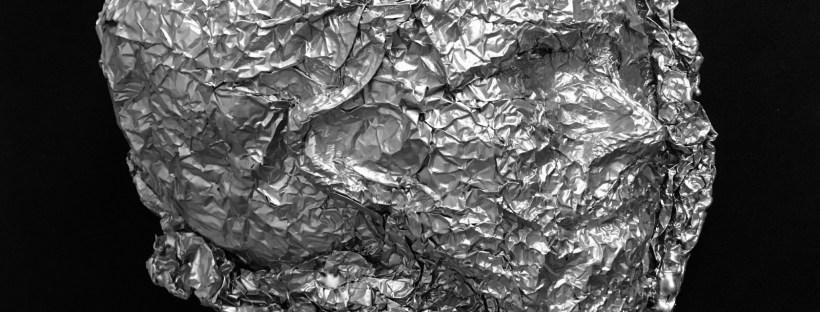
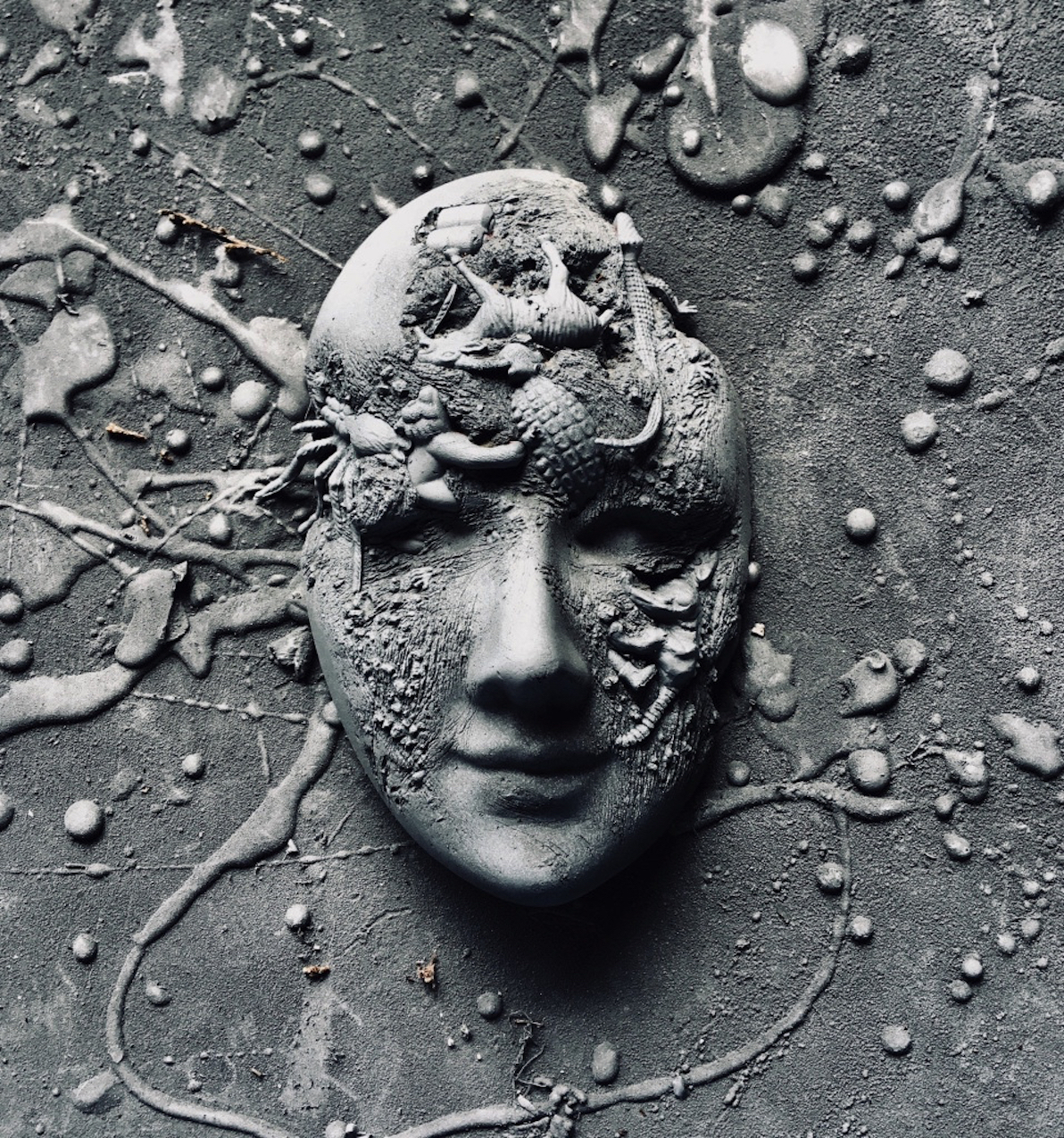
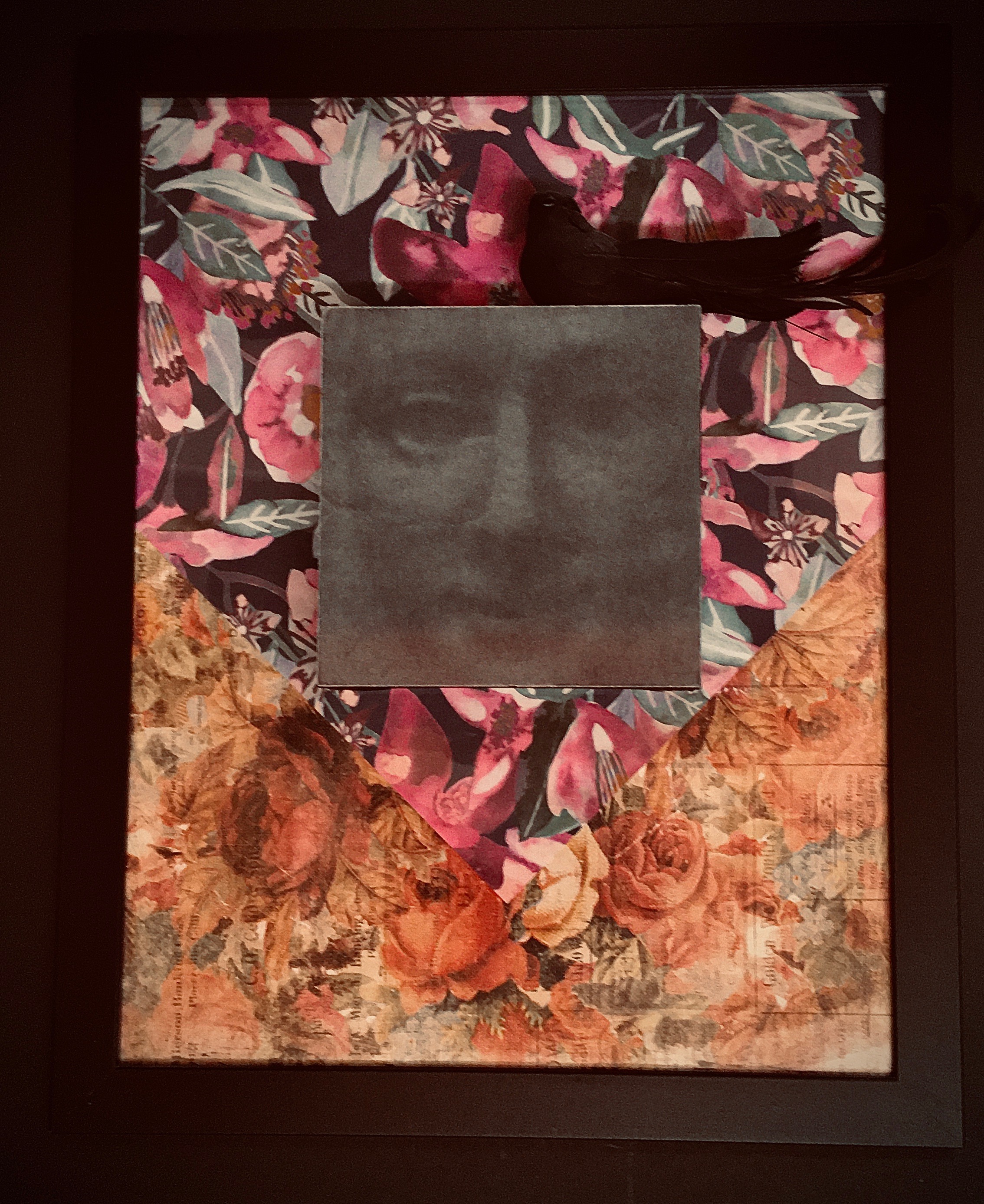
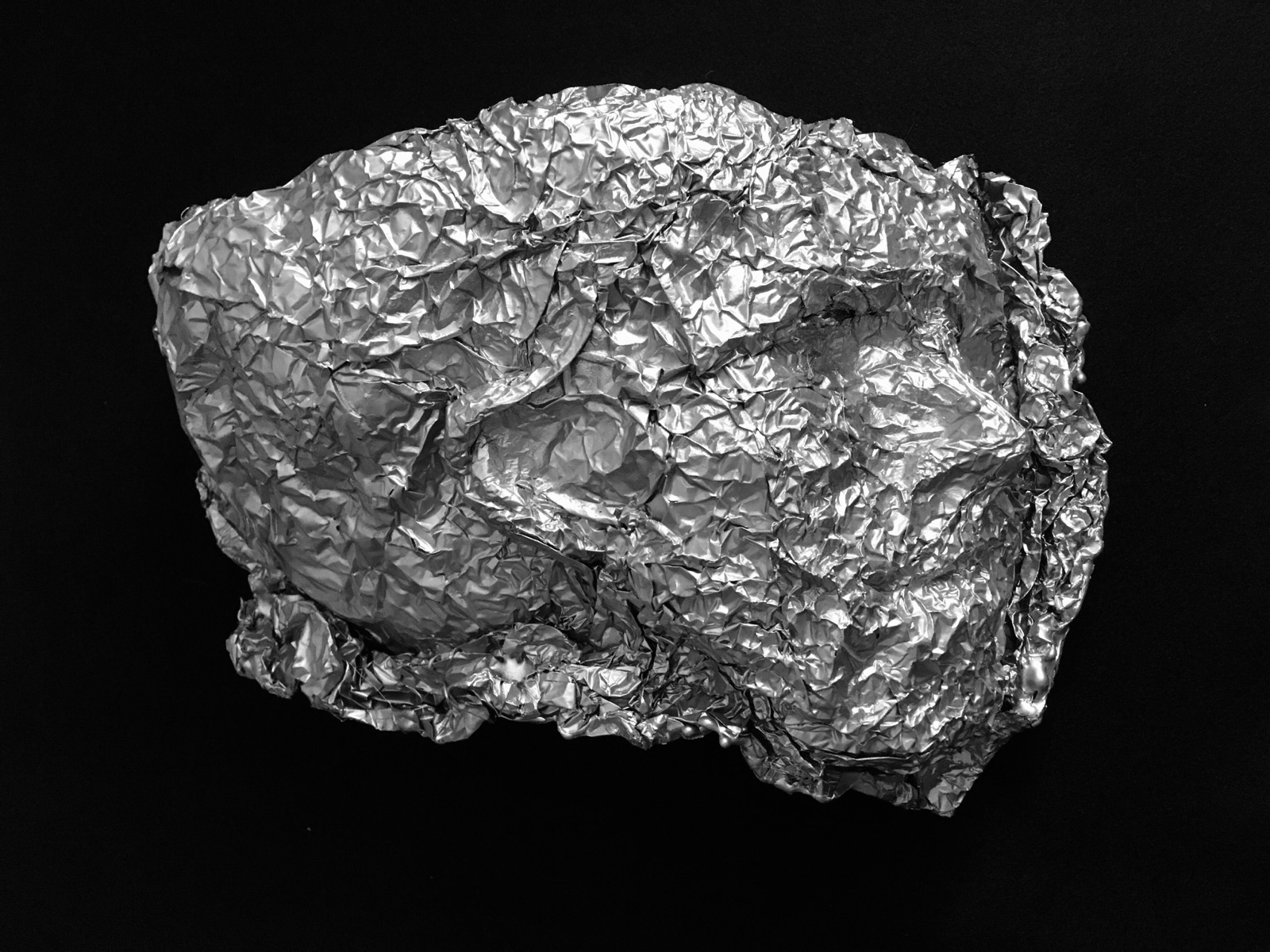
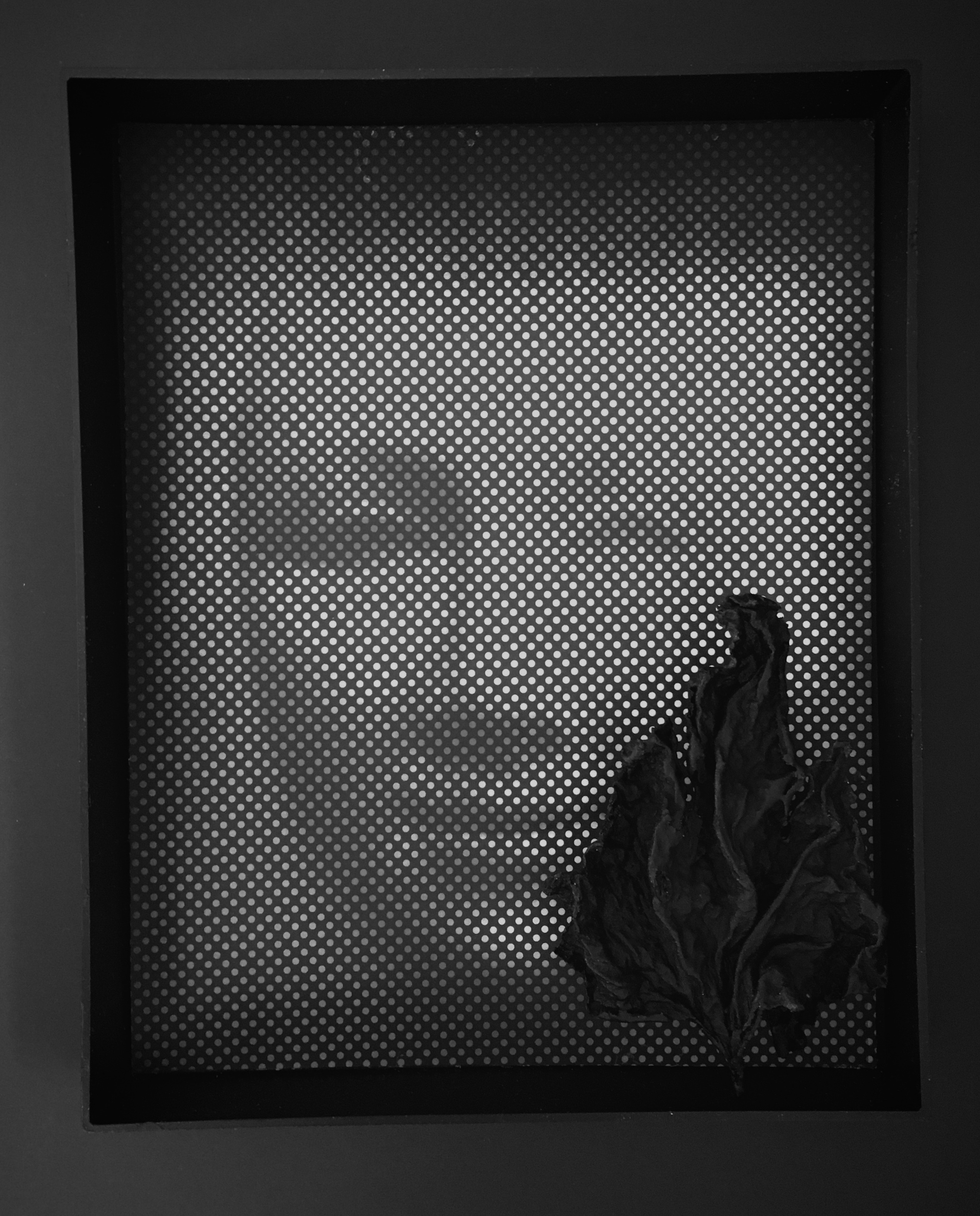
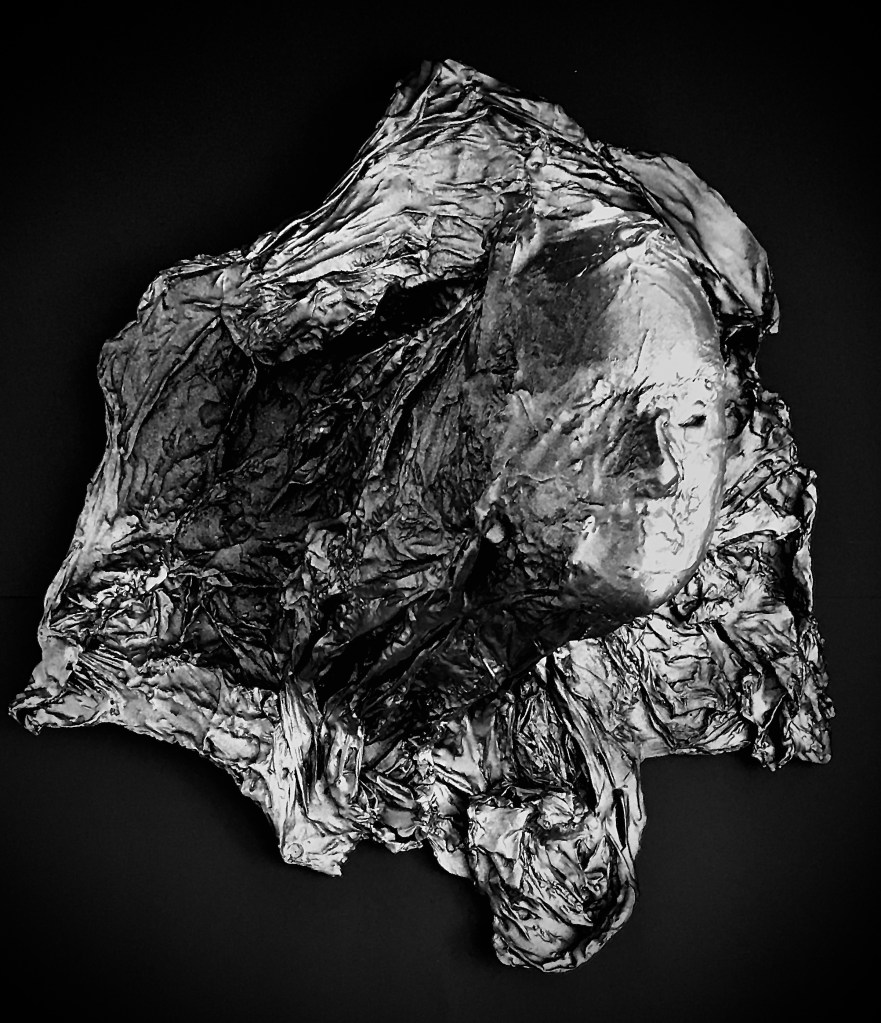
JACK BORDNICK’s sculptural and photographic imagery is a reflection of his past and present forces and the imagination of his life’s stories. They represent an evolutionary process of these ideas and how all of life’s forces are interconnected, embraced and expressed through creative art forms. These works represent what has accomplished with this art form. They reflect this quantum and metaphoric moment, the changing from one form to another. They express and implement these thoughts and feelings, and take risks, without any guarantee of their success. To be reflected through these present works, is his goal. The predominant imagery deals mostly with faces of both living and non-living beings and things. They are expressed in many forms and images, speaking to us in their own languages.

Bordnick has been a part of this creative world since he can remember, beginning as a product designer and establishing his own design business in New York, SantaFe and Europe. These present sculptural images incorporate surrealistic, mythological and magical imagery, fabricated in textural metallic mixed media assemblages. They are assembled, disassembled and reassembled. They are heavily textured surfaces that become abstractions unto themselves, and he seeks them to revert back to their origins. Enjoy their stories.

Whispers In My Ear

In September, Andre told me there was something going on with him “down there.”

“I think it’s a yeast infection,” he said.

“Men get yeast infections?”

We were on the phone. He paused as if annoyed and said, with the curt of someone who has had to explain this before, “Yes, men get yeast infections.”

Another pause. I scratched my head. Did I have a yeast infection? I didn’t think so.

“But I mean also,” Andre’s voice got low on the phone. I bent my knees, as if leaning down so he could whisper in my ear. “I know I haven’t slept with anyone, but have you?”

“No,” I whispered back. My knees were still bent when I realized it was a lie.

I slept with my ex in April, which was only two months after Andre and I met. Two months after the ex and I had ended. In April, it had seemed irrelevant to Andre. It was probably still irrelevant to a yeast infection in September. Mostly though, I wondered why it was so hard to admit that I had just lied. The lie had only been alive for seconds, already it seemed impossible to figure out how to make it die.

I didn’t know if it was a yeast infection or not. Andre and I didn’t have sex.  I bought Monistat, shot it inside of myself. If I had a yeast infection, it went away. Andre and I didn’t have sex. There was nothing for him to shoot. He said his symptoms stayed. Andre and I didn’t have sex.

“With a condom, maybe,” he said. He was naked, kneeling on my bed. He held his penis in his hand, said, “You don’t see that?” He pulled his penis from side to side, up and down. “See? Dots? Those little red dots. They’re everywhere.”

I was lying on the bed. My face inches from his penis. I loved the shape of him. I really wanted to have sex. I tried hard to see the red dots.

“Maybe,” I said.

“They’re everywhere! You don’t see that?! They’re everywhere?!”

I was starting to think this was all in his head, that the red dots were about something else.

I sat up on my elbows and watched him. He was still holding his penis, examining it. “Are you sure you haven’t been with someone else?” I said.

He fell onto the bed, looked at the wall. Was I thinking about April? Did I just want to get mad?

“It’s okay,” I said. “I won’t be mad.” It was a trap. Of course, I would get mad. He looked at me. His eyebrows are thick and black. The hairs on his right eyebrow combed upwards and splayed out. He bit his lip, looked back at the ceiling.

 “The last time I remember was.” He bit his lip again. “…August, I guess.”

A part of me knew this already. I thought of a friend who used to lie for his best friend. The best friend and his wife cheated on each other so often it seemed like it was just a way for them to pass the time. My friend put hotel rooms on his credit card for the husband. I said, “Why don’t they just get divorced already?”

My friend looked appalled. “They love each other, Emily!”

I said, “Why aren’t they just in an open relationship then?”

My friend looked at me like I was a child and asked if I really didn’t understand? The fantasy was half the thing.

“We fall in love with the lie,” he said.

 I asked Andre, “What does the last time you remember mean?”

“Last time I remember is what it means.” He stared at the wall. His arm was bent at the elbow, his fingers pressing into the sides of his head. He had just gotten his haircut and said the woman had cut it too short. He kept touching his hairline as if wishing something that was gone was still there.

“What if I said, last time I remember, what would you think?” I wanted to touch his hair, trace the outline of what had been. He smiled and the dimple on his right cheek came out. Andre is beautiful to me. I don’t if I feel close to him because he is beautiful or he is beautiful because I feel close to him. I didn’t want to feel close to him then so I pressed my hands to the sheets instead.

 “I would think you were blackout drunk is what I would think.” His hand moved from his hairline to the bed. They inched towards me, within reaching distance before they stopped, spread out, then pulled the sheets in like he was grasping for something there. I couldn’t figure out if this was an admission or not.

I pulled my hands back, turned away from him, and said what I thought I was supposed to say. “I think you should leave.”

And so, he did, and I was left wondering why it is we say we long for connection and then choose moral superiority?

The nurse at the STD clinic was in her mid to late 50s. She had thin lips, a stoic, narrow face, a grey bob, and thick-rimmed, gold-frame glasses. Her scrubs had Care Bears dancing on them. She didn’t smile or ask me how my day was. She sat down at her computer station and sighed.

“Any active symptoms?” she said.

“No,” I said. She did not take her eyes from the screen. I stared at a green Care Bear tripping down her spine. I wondered why I would lie.

 “I don’t have symptoms, but my boyfriend says he does.”

I realized it was just easier to say boyfriend sometimes.

The nurse stared at the screen, lowered her glasses to the bridge of her nose. Her fingers readied on the keyboard. “What are his symptoms?”

I went into a long explanation. I had strep throat. Maybe I had a yeast infection. Maybe the antibiotics gave me one and then I gave it to him. I took medicine, he didn’t. I don’t have symptoms, he says he does still.

She turned her body towards me. She didn’t smile. She held a finger in the air. It was long and thin and wrinkled. There were no rings. “Oh!” she said. “He has to take the pill. Men have to take the pill for yeast infections, but they have to get it prescribed. Tell him that!”

She still didn’t smile, but her eyes were active suggesting solving something was a thrill.

I almost left. I thought maybe she believed the answer was that easy. I wanted to believe the answer was that easy.

The walls of the room were mustard yellow. They looked smooth, but they weren’t. If you looked closer, there were little bumps and blisters everywhere.  

I stared at them at when I said, “He also slept with someone else.”

The wall didn’t make me think about STDs. It made me think of a man I had gone on a date with before Andre. A very nice man who gave me the sensation that I was stuck at the bottom of some well and his body was my only way out, but his body was completely smooth. There were no crevices or holes to dig into, no bumps or lesions to hoist myself out.

I looked at the wall in the clinic. I thought of meeting Andre. I thought of how quickly I wanted to dig my fingers into his skin. I touched the paper sheet on the clinic bed. It slipped beneath my fingers, and I felt the terror of tears I didn’t know were there.

“What a bitch,” the nurse said.

I cut my eyes back to her.

 “Sorry,” she said and then she turned back to the computer and started typing things again.

When she drew my blood, I stared at the wall again. I tried to think of STDs. I tried to be angry. The needle didn’t hurt, but I felt the tears welling up again.

“All done,” the nurse said. I wiped my eyes. She put the sample away, stood in front of me and pulled a pair of blue scissors from her front pocket. She snipped them once in the air and said, “If you need these.”

I laughed while I cried.

“Men,” she said and rolled her eyes. I felt righteous. I felt wronged. It was a lie. I didn’t want to be in love with a lie.

“I slept with someone else too,” I said. The nurse put a finger to her lips. “Sh,” she said and shook her head.

I once had a therapist who was in her 80s. Her office was inside of her apartment on the Upper West Side with a view of Riverside Park. There were framed glamour shots of herself from different ages and times on her windowsill. When she was young and a famous soap opera star in Mexico. Herself then, ballroom dancing beneath a chandelier, a bouquet of roses and a kneeling man, staring down at her glittering stilettos. Sometimes she said things like, “When Carlos and I were together,” and you were supposed to already know she meant Castaneda. When I was still seeing her, I cheated on a boyfriend. I told him I had done it. I thought the admission absolved me of something.

 “Why would you do that?” my therapist said. I thought she meant the cheating. “Why would you tell him?” she said.

I said I felt guilty. She rolled her eyes, said guilt was a fake emotion, just something we say to make ourselves feel better about doing something we think is bad, but are going to do anyways.

It was true. The cheating wasn’t an accident. It was a clear-headed decision. The boyfriend never made me cum. Our sex felt like he had mistaken my vagina for his hand. I had started to think maybe that’s all my vagina was after all. I cheated the first time someone made me remember how absurd it was to think that way.

Looking back, I don’t think I told him I cheated because I felt guilty. I think I told him because I wanted him to know my vagina wasn’t his hand. I had told the therapist this. She told me not to tell him that, to fake an orgasm instead. She said, “Men need to believe silly things like that.”

Sometimes I wonder what would have happened if I’d just told the truth, the original truth, instead.

It is two months later. There was no STD. I don’t know if there was a yeast infection or o it was just guilt in his head. Andre said he was sorry for sleeping with someone else, said he was drunk, said he didn’t know how to tell me. I said it wasn’t that, the sleeping, it was the unprovoked lie. It was his voice getting low on the phone, me bending my knees on the other end, him whispering in my ear, “I know I haven’t slept with anyone else, but have you?”

He doesn’t have an excuse for that. 

“I just didn’t know how to take it back,” he says.

I hear this, think about April and the ex, tell my friends about his unprovoked lie. “Oh yeah, that’s bad,” they all say. I stay righteous and smooth on the outside. I tell my best friend. She says, “He was hoping you would say yes, you had slept with someone else, so if it was an STD, it could be your fault instead of his.”

“I know!” I say. I touch the smoothness of my skin. Her voice goes low on the phone. I bend my knees again. “I mean, I’ve been on both sides.”

“I know,” I say, softer this time. “Me too.”

On the inside, I am alone and cold at the bottom of that well. It is the feeling of moral superiority based on a lie.

I call Andre.

 “You can come get your stuff if you want,” he says.

“You didn’t throw it away?”

“No,” I say, thinking about when I did and then felt bad and pulled it out of the trash. “Of course, I didn’t.”  

“When should I come?” he says.

I fold a pair of his jeans, the knees are facing me. The knees have gone white. I stick my nail into the fabric until right before it tears. “You can come now,” I say.

I am in the kitchen watching him as he stands on my porch, fixing his hair, straightening his shirt, pushing his lips inwards and outwards. He is ducking to look at himself. It is a stance that reminds me of a time we went to Myrtle Beach and we paid 20 dollars each to try to find our way through a maze of mirrors and smoke screens. I gave up. I couldn’t figure out how to tell what was a mirror and what was a door. I wanted to crawl back to the beginning and out. He took my hand and I let him. He kept ducking, said he was looking for the reflection of his feet.

“If I see myself, it isn’t a door.”

It was such an obvious thing.

A problem between us: I believe myself to be smarter than him. I don’t know why such an obvious thing hadn’t occurred to me.

On the porch, he stands straight. He is about to ring the doorbell. I don’t know why I have been hiding, acting as if I haven’t seen him. I don’t know why it is so tempting to act as though I am standing on a perch, righteous and smooth, looking down at him, acting as if I could never do something that he did.

I open the door before he rings the bell. There’s a glass door still between us. I don’t know why it is so hard to say I am stuck in the bottom of the well, wanting to crawl out.

I open the glass door.

“Hey,” he says. We stand for a second, as if there is still a pane of glass between us. He takes a step forward. I don’t take a step back. We don’t hug as much as place our chests next to each other. I place my hand on his back. His skin feels like crevices I can sink my fingers into and I wonder why it is so hard to forgive, to tell the truth, to say that we are the same, and let go of an idea of moral superiority. I don’t know why it is so hard to swim to the other side of the lies we cover ourselves with.

He puts his hand to my back and we say nothing, but we drop our heads, close enough that if one of us whispered, the other could hear.


EMILY MATHIS is a second-year MFA candidate in fiction at UNCG. Her work was a finalist for the Ron Rash Awards and the Chester B. Himes Award and was shortlisted for the 2020 Bridport Prize. Her fiction and nonfiction have appeared, or are forthcoming, in Epiphany, Broad River Review, 5×5, FLARE: The Flagler Review, Cathexis Northwest Press and others. She is working on an auto-fiction project and is on Instagram@twaggamyster.

Four Pieces

KEY QUESTION

I reached into my pocket for the keys to our apartment door, but my small daughter stopped me. She asked to be lifted so she could open the door, so I brought her up to the level of my chest.

She had a set of plastic keys from her doll’s house. The toy house held antique furniture, candelabras, dishware—all visible in rooms with cutaway ceilings. She didn’t know that metal keys were needed for our door, and not just any metal keys, but ones that had been cut, serrated, and notched to fit.

I held her as she stretched out and tried to insert her keys into the locks. “They’re not going to work,” I said.

She understood what I was saying but didn’t believe me. She kept working her keys against the slots, first in the top lock and then in the lower lock.

“Just hold me,” she said.

I held her with my fingers laced beneath her legs. She tried for what seemed a long time, pressing the plastic keys—each a different color—at various angles against the metal plates. She seemed to think the problem was with her technique, but I knew the problem was with the hardware. The toy keys were made for toy locks. Our apartment door had real locks, installed to keep burglars out. “They come in through the front door,” the locksmith had said to me when we moved in.

We were not trying to break and enter. We just wanted to release the bolts that kept the door shut. We didn’t need picks or power tools, but we did need real keys.

When we finally got into our apartment—with my keys—we saw none of the Victorian decorations that were in the doll’s house. Our furnishings were not high priced, and few items matched in color or design. But our ceiling, at least, had not been cut away. It was intact.


COUNTRY HOUSE

Two men who didn’t know each other well were staying in a country house—the older one owned the house; the younger one was his guest. They’d met at a mutual friend’s dinner party in the city. Soon after they’d arrived, the homeowner noticed the water pressure was low, but when he tried to fix it, he cut off all the electricity. The lack of power didn’t matter, at least not during the day. Sunlight came through the branches of the pine trees that surrounded the house. However, water would only trickle from the faucets.

The homeowner set a pot under an open tap. After a few minutes, the pot had collected some water, so he next tried to light the gas stove. He turned a knob and held a match next to a burner, and the gas puffed into a blue flame. He boiled the water and made two cups of tea.

Both men sat a low table and sipped the tea. “Why don’t we leave?” the guest asked.

“We should stay, at least for a while.”

As they sat with their tea, the daylight slowly faded.

“I’m going to pack my things and call a car,” the guest said.

“You can’t call a car here,” the homeowner said. “Anyway, we already have a ticket back.”

“What will we do here?”

“Well, I can fix things. I can put on my tool belt and take out my wrench.”

“I’m not into cosplay.”

The guest zipped his luggage and started to get his coat.

“Let me try the circuit breakers,” the homeowner said.

He went down to the basement with a flashlight. In a closet, he found a metal plate on a wall, unsnapped it, and examined two rows of double-pole switches. He couldn’t tell which ones were on and which were off. So he started flipping them randomly. As he worked through the rows, lights started to come on. He called upstairs, “Is anything working?”

“Yes, the refrigerator is on, and a clock is lit.”

When he threw the last switch, the rest of the lights in the house came on. That was good news, but he still didn’t know what to do about the low water pressure.

“I’m going to do some reading now,” the guest said. He went into his room then and shut the door.


GIGGLE SHIT

I was visiting a friend in Italy. My friend worked during the day, and when he came home in the evening, he brought out his hashish works. He had no pipe, so he used a pin stuck through a piece of cardboard. He placed a small chunk of hash on the point of the pin, set the cardboard on a table, and held a match to the pellet.

“What keeps the stuff together?” I asked.

“Camel dung,” my friend said.

We set a drinking glass upside down over the smoking dung and let the fumes collect in the glass. We sat on the floor, slid the glass to the table’s edge, put our lips to the space between the glass and the table, and sucked in the smoke. After I’d inhaled, I waited a minute before breathing out. Then I couldn’t get off the floor. I reached but couldn’t latch onto anything. I fell back, raised myself to a sitting position, fell back again.

“Are you buzzed?” my friend asked.

I rolled on the floor, laughing. “You know,” I said, “my father used to call me a giggle shit.”

“I think you’ve had enough,” my friend said. He took the blackened glass, along with the pin and cardboard, and “hid” the works on top of his refrigerator.

I chuckled to myself for a few minutes.

The next day, I was in the apartment alone when the housekeeper, named Picci, arrived. She spoke only Italian. I tried to avoid her, but she found me. She was carrying the hash glass. “Brutto,” she said.

She shoved the glass toward me. “Molto brutto,” she said.

I tried to ignore her, but in the evening I said to my friend, “Picci found our smoking glass and called it brutto. What does that mean?”

“It means ‘ugly,’ ” he said.

“She said it was molto brutto.”

“ ‘Very ugly.’ ”

Picci had disposed of our hash works, so we had to use a different glass. Fortunately, Picci hadn’t found the stash. There was a black chunk the size of a fist in a plastic bag in a drawer. The block was hard—the camel dung was like glue. We cut off small pieces for heating on the point of a new pin, under a clean glass. We got on the floor and sucked in the smoke.

I started to laugh silently, but I couldn’t keep the sound down. I put a hand on my stomach and hacked. Quickly, I sank to the floor lay there, fetus-like, laughing.

“You are a giggle shit,” my friend said.

The next morning, my friend talked to Picci before he left for work. During the day, I had nothing to do; I was on vacation. I planned to go out later to a cultural site, but before I left I saw Picci. I had thought she spoke no English, but when she caught my attention she said clearly, “Giggle shit.”


DEAR MR. CHALAMET,

I don’t know if I can call you Timothée, since we haven’t met, but Timothée seems easier, more comfortable, than Mr. Chalamet. After all, I’m much older than you. Still, I wouldn’t expect you to call me Mr. Rutkowski. Anyway, here, in this letter, I’ll most often call you “you” and myself “I.”

Although we haven’t met, I saw you once on the street. I didn’t notice you, because I didn’t know who you were. I wouldn’t have recognized you, even if you were standing next to me. But I was with my daughter, and we were walking up a street from a park. We’d been sitting on a bench, trying to have some time together but not saying much of anything. We were coming up the street, and we both saw a skinny young guy crossing in front of us. “That’s Timothée Chalamet,” my daughter said, but I didn’t know who she was talking about.

“We made eye contact,” she added.

By that point, you had crossed and were on the sidewalk heading west, and walking rather fast, at least compared to how I walk. I saw only the back of your head, but the hair was distinctive, as I later learned. My daughter followed you, and I followed her. She took a couple of photos of your back with her phone, presumably to post on social media. You didn’t turn around, and it was soon clear that we had no reason to keep following, so we stopped and went home. We lived only a couple of blocks away.

The idea here is our daughter and I had a shared purpose, even though it was short, less than a minute. While we had little to discuss when we were trying to talk in the park, now we had something. Almost instantly, I forgot your last name, but I remembered your first name, Timothée. That was enough to identify you. “We saw an actor on the street,” I said to my wife. “His name was Timothée something.”

“Oh,” she said, “you mean Timothée Chalamet?”

“Yes,” I said, and I started learning about you. You aren’t much older than our daughter. You went to an arts high school, where some of our daughter’s middle-school classmates went. They must have known you, or known who you were. Their brush with fame might have been like my experience in college, where I kept hearing about Christopher Reeve. I never saw him—he was a couple of years older than I was—but I knew where he’d lived on campus. It wasn’t far from where I lived. This made my college experience a little more exciting, knowing that Reeve had been there. Everyone knew who Reeve was; no one knew who I was. But maybe someday they would know me, because I’d lived close to where Reeve lived. Of course, that in itself was no reason to know who I was.

—T


THADDEUS RUTKOWSKI is the author of seven books, most recently Tricks of Light, a poetry collection. He teaches at Medgar Evers College and received a fiction writing fellowship from the New York Foundation for the Arts.

Half


DONIA MOUNSEF grew up in Beirut, Lebanon. She is an award winning, Pushcart nominated Canadian-Lebanese poet, playwright and dramaturg. She splits her time on either side of the Canadian Shield, between Toronto and Edmonton where she teaches theatre and poetry at the University of Alberta. She is the author of a poetry collection: “Plimsoll Lines” (Urban Farmhouse, 2018), and two chapbooks: “so why not cut the whole” (Olive Series, 2018) and “Slant of Arils” (Damaged Goods, 2015), reviewed in Fruita Pulp, http://www.fruitapulp.com/2015/07/06/review-slant-of-arils-by-donia-mounsef/ Her writing has been published and anthologized in print and online in Cordite, Poet Lore, Mortar Magazine, Matter, Pacific Review, Harpoon Review, Rabid Oak, La Vague, Toronto Quarterly, Yes Poetry, Poetry Quarterly, Lavender Review, Linden Avenue, Bookends Review, Gravel Magazine, Skin 2 Skin, Iris Brown, etc.

Leylah’s Pomegranate

I started peeling off my skin and laying it carefully on the table in front of the mirror. Just like how you peel a fruit, I started doing the same to my face. Picking it up from right below my eyes to the ear on the other end of my face, I tore apart the skin and it came off so easily as if it was patiently waiting for this day from a long time. Then, I started from my left cheek and took a quick turn over my nose to reach the deformed forehead.

Red juices started coming out from my face. I looked like a battered pomegranate. My face appeared as if someone had chewed on the fruit aggressively and threw the remains on the ground after it became unbearable to gulp it down. I felt its juices all over my face.

My face, the fruit, looked like a human brain, which has been beaten again and again to take a shape, which is not natural but depicts a violent submission. It was mocking me, reflecting me, and daring me to wipe the juices off my face. I raised my hands to my face and started crushing it further with my hands, feeling its seeds fighting against the skin of my palm and fingers. I wanted it to be shapeless, formless, and unidentifiable. I wanted people to look at it and feel nothing because its shape would be unknown to them. It was my rebellion against nature’s cruelty to give us a living form that’s incompatible with our desires.

I laid the peeled-off skin on the table and stared at my new fresh face for a solid minute. I had seen this face somewhere. I had seen someone peeling off their skin in the broad daylight. I had witnessed it right before my eyes and all I could feel was jealousy, pure unadulterated jealousy.

Her name was Leylah. I remember her name because it was a big deal to her. It was Persian. She used to give references to songs, movies, and legends to me so that I can understand the depth of her name better. All I ever wanted to tell her was that her name was the least of my concerns and it was painful to hear her ramblings all day. One day, she came up to me and gave me a half-hour lecture on the meaning of my name. I couldn’t care less but it was her face that made me keep my mouth closed. She was a beautiful woman, too beautiful. Sometimes, I just wanted to touch her skin to see if it was real. She used to do it all day to my face but I couldn’t bring myself to do it to hers. I would ruin it; I knew it. I don’t know why but I knew it. It came to me naturally, an instinct to not act on my foolish desires.

She also never kept her hair long. Again, I couldn’t care less but it was weird. She always wished for long hair but the day her hair used to get longer by a mere inch, she used to cut it, with her own hands. Then, she would bawl her eyes out in front of me and wish for long hair again. I used to laugh and every day, whenever I remember her, I laugh.

She was one weird little woman but aren’t all of us – women, I mean— weird and sad.

Leylah was not too religious but she wasn’t godless like me either. She had a ridiculous obsession with tying holy threads around my wrist and neck, the same places one would chain a person. I loved the way she tied them around my wrists and neck, knowing that the second she goes away, I would tear them as if my skin was on fire. It didn’t burn my skin but I felt like puking my guts out every time I looked at those hideous colorful threads around my fragile pale wrists. It was anomalous. It didn’t belong there.

Today, I remembered her after a long time. I don’t forget things easily but I tend to refrain from making use of my brain’s capacity to remember every person I have met. It’s a torture and a waste of energy so; I wonder why I can still recall each minute detail about Leylah.

While I was reminiscing my time together with her, I was still standing in front of the mirror. I had no regard for time but the weird sensation in my knees, and the shooting pain in my spine forced me to cry out and fall on the wooden floor. I fell awkwardly and all I could do was painfully grasp my abdomen so that it overpowers the ache in my spine.

I could feel the rage in my spine wanting to come out. It was impatient and thrashing against everything it came in contact with. Some days, it felt as if it came out and lay in front of me on the floor but it was just inside me, brutally caged by the flesh. I couldn’t do anything except reach for the drawer and consume ‘two painkillers of the day’. That’s the golden rule. Never take more than two painkillers in a day – one would not be enough to ease the pain and more than two of them would not kill you, but will result in other damned reactions in the future.

Once you raise the pill to your mouth, its revolting smell will reach your nose and you will know that it’s going to taste bad. Then, a lump will automatically form in your throat making it impossible for the pill to go down. It will come up in your mouth and release its atrocious insides there, right where you can taste them, making no mistakes.

Now, you are met with two choices. First, you can let your mouth suffer and gulp down some water, one time, two times! – helping you to drag the medicine down your throat. You might choke but that will not be enough to kill you. Second, you can vomit the medicine out. That would be simple, right? Not for me. Since I have fallen ill like this, I have never vomited the pill out. Even if I did, I used to pick it up and complete the ritual. I hated looking at my family’s faces, full of annoyance and worry at my childish tantrums. It took me a while but I concluded that no one should be at the receiving end of those faces.

Leylah never did look at me like that. She used to look at the discarded pill instead, with so much anger and hatred as if that pill should have been easier to swallow down. It wasn’t my fault; I never thought it was my fault. I house several incapabilities but not self-blaming. She knew that and never consoled me about it.

Sometimes, Leylah used to cover her head, and sometimes, she didn’t. Whenever she wore the hijab, it had random prints on it. She was inclined to eccentric clothing. Not that it concerned me, it was her body and nobody should ever dare to speak in the matters of someone else’s body but I had my favorite though, the pomegranate print one, it was lovely. On some days, she would come rocking a bob. It was a treat to watch her giving no attention to her fellows calling her a pseudo-Muslim, whatever that means.

I am proud that I never gave any attention to those people, screaming about Hollywood’s obsession with removing the hijab of Muslim women but not accepting a woman, who does so by choice. I was angry too but after some time, it became entertaining because it all boiled down to what Leylah wanted to do and she was remarkable at it.

Leylah was not a bubbly-happy woman, she was an angry one. She was not a band-aid to society’s sadness but the one that wouldn’t think twice before punching you in your face. Even, her favorite album was Radikal. She made me listen to that album every day. I loved it too, it was refreshing. One day, she was lying down on the grass while humming to one of her favorite songs and her hair started swaying with wind or the music, I couldn’t decide. She had cut her hair unevenly and I could see that she hadn’t washed it that day. It looked so pleasing to the eye – her hair flowing with the wind that barely graced us in summers, her sun burnt skin giving a suitable backdrop to her hair, her eyelashes were not curled but straight and you could only see their beauty up close, and her adorable crooked nose, which I loved from the depths of my heart.

Leylah also had freckles like me, the only thing we both shared.

I still remember the day I told her that I was going back to the place I came from. I had to go back to see if the reason for which I left still existed. She was neither emotional nor ecstatic about it. As usual, she was angry. She wanted to travel with me and see for herself the place, where I was born. I hated it when people wanted me to accompany them like an ever-smiling tour guide so that they could get an authentic stamp on their visit to Kashmir. I had told Leylah that I would never take her to visit my place but her stubborn little heart thought that I would change my mind soon and that didn’t happen.

It’s not that I am possessive or patriotic about my homeland, I never was. I just detest the foreigner’s gaze. The gaze, devoid of any compassion, understanding, and love towards others, who are trying to live, resist and fight against all odds. It fills my heart with so much bitterness. This is exactly how violence robs you of friendship, love, and trust and, wherever I go, this theft follows me.

I have been an object to the foreigner’s gaze several times in my life. I know the feeling very well. The humiliation when you are treated like a centerpiece on a table. The foreigner’s gaze is also present in my family, friend circle, and so-called community. It didn’t take the people of my community two seconds to escape and run into the warmth of their houses when I was being treated like filth. They will accept you as long as you worship their God, stay loyal to their ridiculous idea of religion, hate the ones who dare assert their identity and lick the boots of men who have pledged to protect the veiled virgin women of the valley.

I didn’t want Leylah to look at me like that. I am much more than these baseless questions and colonizer’s assessment. Violence might rob us of friendship, love, and trust but it can never overpower our individuality, our non-conformist desires, and our everlasting curse on the occupier’s trickery. As I lay on the cold wooden floor, waiting for the painkiller to work, I admitted that my illness might go away but the resentment would not. It has grown roots inside of me.

I stood up and neared my bed. I heard my mother’s voice from downstairs. ‘Have your dinner’, a simple call from her but it frightened me.

I knew that now, I would have to forcefully stuff my mouth and stomach with food.

I pushed my feet against the floor and ran downstairs. I could have walked but I ran to show my mother that I am hungry, to show her that I am like the other normal children she has, and to make her believe that I am recovering but the taste of painkiller in my mouth stated otherwise.

I prepared myself and thought, I would divide the food into small pieces and then, evaluate my chances of whether I could completely eat it or not.

She filled one plate with rice and placed it on the dastarkhaan. After some time, she gave me her lovely warm smile and pushed the rice filled plate towards me.

While I was looking at my mother’s face, I realized that she was once again eating the cold leftover rice. I didn’t ask her about it because I knew what the answer would be. She would have either said that she didn’t want to waste food or she would have thrown the soaring market prices of rice towards me. I once told her that we can all divide it and eat it together but she said that it will make us ill. Exactly, my concern.

My father on the other hand usually stayed quiet but that day, he decided to open his mouth and, one thing I knew for sure is that whenever he opens his mouth, nothing good comes out.

‘Why do you cook so much if nobody eats it?’ he asked my mother in his arrogant voice. That’s the thing about my mother; she doesn’t pay attention to him, she never has. She ignored him like she usually did and urged me with her eyebrows to eat. My father zeroed his gaze on me and I knew in that exact moment that I would not be able to eat anything from that plate.

Whenever my father looks at me like that, I know he will leave nothing to amend or aid, it’s going to be a complete massacre, and why not. I mock the religion he treasures so much, I am indifferent to the God he worships so much, I hate the community he loves so much and I live according to my own set of values that he detests so much. I am a living contradiction of him.

I looked at him and his eyes scared me. I wanted to vomit but I couldn’t. I needed an outlet – tears, words, screams, vomit – anything. His eyes reminded me of the foreigner’s gaze, one that is in constant search of fresh bodies so that they can be carved up and sold in the market at the highest price.

I ignored his gaze and focused on the food in front of me. In that second, my throat clogged up and cold sweat started breaking out on my skin. My mother’s voice became distant as the moments passed and my father started eating his food normally.

I looked to my side and saw my sisters crying silently and looking at each other for help. Why does he have to open his mouth? Why can’t he eat and go to sleep? Why does he always look at me as if I am the ugliest thing in this house? Why do we have to eat together?

Then, everything started coming back. Like an avalanche, it completely overtook my being under a dark opaque blanket of overwhelming sickness.

I looked down and saw a bunch of moths crawling out of the rice on my plate. After some time, they started flying toward me and rested right inside my throat. I started choking but nobody looked at me. Nobody dared to.

I stood up and ran upstairs to the warmth of my solitude. I heard my mother and sisters calling me but I couldn’t reply. The insects had started multiplying in my mouth while their wings were absorbed in the pomegranate juice. I could taste their bodies on my tongue as they kept on taking birth there. I started chewing their bodies and they oozed with the fruit’s liquids.

After chewing each of them, I spat them out. I looked at the dead insects on the floor. Only I could make out that they were moths just a few minutes ago and not something unknown. I glanced at their bodies and the lump starts to make its unwelcomed appearance.

I ran into the bathroom and vomited freely. I clutched my head in my hands because it felt like my head was going to roll back and fall on the floor anytime then. I could feel my thick hair wrapping itself around my fingers, squeezing them until they turned white, and gave up their resistance to keep my head intact. This is how it feels every time. I patiently waited for my heartbeat to rise and then calm my body down gradually with it.

‘You need to know what works for you and have some faith in your body; it will try its best to survive’. That’s what Leylah used to say to me. It was something that I learnt from her amongst all the other things. I follow it and recite it like a prayer every day. It works.

As I came back from another episode of my breakdown, I sat down on my bed and started recalling more details about my time with her.

I don’t regret my decision to come back here but on some days, I am uncertain about the choices that I made or we make in our youthful craze.

With this thought, I close my eyes with thoughts of Leylah still humming in my mind and I dance away to her sweet tune.


SABAHAT ALI WANI is a writer, researcher and artist from Kashmir. Her writings about Kashmiri women have been published by International Literature and Arts Festival (USA), South Asian Today, and Empower Magazine. She is also a mixed-media storytelling artist who aims to create a space for bold and critical statements through her art experiments. Her artwork has appeared in Club Plum Literary Journal, About Place Journal (Black Earth Institute), Long Con magazine, Maaje Zevwe, Blue Marble Review and Variant Literature.

Is it the unlived dreams of our mothers that haunt us?

Redundant, distant, the night

ocean appears in the skull: 

ink-spot, slow roar to wide black.

It is the year of the black water tiger!

At last, you don’t look, you feel- deep within 

Magritte’s massive, finalized egg

How its shell nears the brass of the small birdcage—


MARA JEBSEN teaches at New York University. She received her MFA from NYU and BA from Duke University. Mara holds a New York Foundation for the Arts award in poetry and her book, ‘The White Year’ was a finalist for the Jake Adam York prize with Milkweed Editions.  Mara’s work can be found in the American Poetry Review, Hanging Loose Press, jubilat, Sixth Finch and in other journals. She was raised in Lome and in Philadelphia.

Professor Elder and the never-ending lecture

From His Notes: “The Henrytown Sanitarium for the Elderly and Infirm imagines itself an amalgamation of prestigious and beauteous Virginia colleges, combining the landscape of UVA, the brick and mortar of VPI, and the pillars of William & Mary, borrowed from torn-down plantation houses that had once speckled this Virginia landscape. The pillars, although beautiful, have not quite been assimilated enough into the architecture for one to forget the symbolic representations of a past built on the slave trade, cotton, and a tenuous economic past. It isn’t as if the Confederate flag is flying from a pole in front of the building, but history is present nevertheless.”

Professor Elder begins his lecture, simply enough, but, after his prefatory comments, changes his mind in mid-sentence and enters into a humorous story about how he cobbled together a published annotated bibliography from his rather lengthy dissertation manuscript on Southwestern Virginia History (particularly of a town named Salt), which had, in the end, amounted to no less than 1275 pages—“Two dissertations for the price of one,” he slings the joke to all within earshot and realizes such subtleties are better spent on appreciative graduate students. No one laughs, including his TA, Ms. Lenore Hayn, who doesn’t have much of sense of humor. Professor Elder harrumphs.

“The Henrytown Sanitarium is an allegorical construction for both waiting in the lobby and at death’s door,” the Professor lectures. “One thing is for certain: Henrytown Sanitarium,” Professor Elder notes, “is not the place to expect acknowledgement.” He looks unabashedly at Ms. Hayn who meets Professor Elder’s stern look and returns an implacable stare, which leaves Professor Elder sheepish and feeling naked and always prompts him to lecture more quickly.

Hayn, after all, is a no-nonsense gal, who has clawed her way up the graduate school flag pole one inch at a time, taking care to note each scratch and ding and scar. She is not to be taken lightly.

From His Notes: “For those of you who did not receive my email and have not brought to class the pages I sent, Ms. Hayn, my GA, will pass out copies. We have 25 of them, so please don’t take one if you have no need for it. While we wait for their distribution, and once in your possession, you might turn to ‘The Beginning’ and gaze into the picture of the Sanitarium circa 1883, trying, I might suggest, to imagine yourself at such a time in such a place as this.” [Broad sweep of hand.]

Professor Elder pauses for effect. Looking around, he finds his way back into Ms. Hayn’s eyes and says half-heartedly as if in refutation of the obvious, “The Sanitarium suffers decidedly from a lack of clocks—those measurements of decay.”

“No tic or click here, Professor Elder, and your timing is off,” she smiles. 

“That is the point, Ms. Hayn!”

He is not aware that his voice has shifted to a higher register until Ms. Hayn suggests he, “Tone it down.” She adds, “Conversations are all the rage, Professor Elder! You might give one a try sometime.”

Professor Elder wonders what it is that he has been doing all of these years if not “giving it a try.” Why, trying is exactly what he has all of his life been trying to do, and, at this moment, before the thought abandons him, he points a finger at Ms. Hayn, and, in front of all, announces that “having a conversation is right now what I am in the midst of trying to do!” Then, he hurumphs again.

 “Inside the Sanitarium,” he continues his lecture, “is a very square set up: four floors, very square rooms for the patients (cubbyholes located off the main hall), cut off at night by wooden doors, mostly unadorned, but with a few attempts, obviously by family members or loved ones, to cozy up the place.”

Professor Elder suddenly finds himself standing sheepishly in front of Harriet Baxter, the History Department’s pug-faced secretary, who is holding a boatload of forms in her thick- padded palms.

“Sign here and here and here and here, Professor Elder and do you want Ms. Hayn to go with?” Harriet Baxter says. 

“That, Ms. Baxter, is a question up with which I will not put.”

By virtue of impatient foot tapping, she tries to hurry his signature, whose swirls and whoops he still handles with precision and pride. “By God,” he says, “I have reached an age where I shouldn’t be compelled to hasten, Ms. Baxter!”

His hand finds an even, precise and extra-slow scrawl. “Slow and easy does it. That’s the right-proper ticket, Ms. Baxter.”

“Haste makes waste . . .” she cackles.

“I don’t understand you, Harriet, in the sense that your tone is too well understood and unappreciated. I will speak to the department chair, again, about the continuance of your position. Prepare a grievance as you will, because as the Bard said long ago, I am aggrieved.”

Harriet takes hold of Professor Elder’s hand in her own firm grip and helps him sign the rest of the forms. Her vise-like grip lets go only when she is finished with him.

Then, as if she is an apparition, Ms. Hayn bodily takes hold of his person and leads him down a long hallway, past doors where faculty give sudden inexplicable jolts as he passes, standing or sitting up most suddenly. Each looks at Professor Elder as if he has called them out for doodling instead of preparing their lectures.

“Outside the Sanitarium: a square courtyard with benches and squirrels.” He continues. “Inside: sing-alongs, bead work and crochet classes.”

Ms. Hayn guides him into the Cafeteria/Rec. Hall, a cavernous space filled with wobbly folding chairs of the kind for overflow in lecture halls. Soon after, numerous wheelchairs and walkers and canes follow shuffling feet.

From His Notes: “Write this down: I am using many quotations, not because I am lazy but because ladies and gentleman I am the opposite. I like CSPAN better than CNN. That’s my joke for the day if you get it but of course you don’t watch CSPAN! I continue then: ‘In his initial report about the Sanitarium, Dr. Dunham writes about the necessities that will help patients in their rehabilitation: recuperative sleep, never ending lectures from university professors and humor.’ See how I did that?”

Ms. Hayn leads Professor Elder up the Cafeteria/Rec. Hall’s uneven steps to a make-shift podium and leaves him there to appraise the room from above. A few of the more eager patients are already seated amongst the chairs in poses of sleep and misalignment, picking at their meals, which has been ground-up and looks wholly disagreeable but infinitely digestible. Many of the chairs are unaligned and empty.

Along with his signature, Professor Elder has always been meticulous about his lecture notes, and he seems momentarily confused that he doesn’t have any. This is decidedly a very bad day. His hand still hurts from Ms. Baxter’s tenuous grip and his lecture notes suddenly are missing.

He summons the very red-headed and red-faced young man, who stands holding up the entrance. Professor Elder gazes at the very red-headed and red-faced young man and thinks he might well benefit from advanced study on the under-utilization of quality reference guides and recommends to all of them [with sweeping hand]—“You all should proceed immediately after this lecture— and as quickly as possible— to the campus bookstore and splurge on one!”

“Red-headed young man,” he verily shouts from the podium, “please fetch another copy of my lecture notes. They can be found in a blue folder on the desk in my office. Cable Hall 157.” He adds with a sly smile, “I don’t know where my mind is these days. Please find them post-haste as in ‘with immediacy’ as in ‘he will go post haste to Professor’s Elder’s office in search of his missing lecture notes!’ Please put pep in your step,” and he adds “bring me some tea to sooth my parch.”  

Professor Elder clears his throat and greets the nearly empty room. “Hello. Test 1. Test 2. Test, Test,” he says. “Ha!” He inquires with those down-front why so few are in attendance, and after no reply says, “We will all just have to muddle through history with the missing.”  

No notes but the tea arrives. Too hot and some kind of weird blend with fruit and peppermint. He sips, feels his lips tingle, swallows, clears his throat again, and begins by memory no less. Nurses and orderlies can’t help but pause and take seats amongst those who slouch in various states of decay.

Professor Elder lectures about the perils of the Civil War in Salt. How important it was for the Union Army to disrupt the Confederacy’s supply lines, and, by eventually doing so, break its spirit through its stomach. “War,” he nearly shouts, “is not won by bullets or bravery nor even pamphlets!” Professor Elder has planned these theatrical outbursts and through pantomime pretends to distribute pamphlets, which, to those in attendance looks as if he is releasing from his fists a very sudden silence.

In the midst of the silence, comes a sing-a-long. “Oh Susanna, oh don’t you pray for me, cause I come from Virginee with a shotgun on me knee!”

 Attendees sit still, barely moving. “No singing in my classroom,” he roars. “We’ll do this like Socrates and exercise the muscle that is the mind. And no pneumonic devices.”

Professor Elder sweeps out his arm gesturing to the empty chairs and describes hilltop battles and sudden surging defeats, long ago burned cities and ancient indigenous civilizations.

From His Memory: “Salt’s Rebellion: The Union troops marched over the salt flats on route to its salt marshes, wet and reedy, and as folklore tells us kept walking across the water, buoyed by the salt, which suddenly opened up and swallowed them. And, the troops disappeared, and were left to boil later in salt kettles and to find solace amongst the clouds, which hung thick and heavy over the town.”   

Professor Elder drifts into the realization that although his students and colleagues and the administration, God forbid, have never been there for him, he has been there for his students and colleagues and the God-awful administration. Were he to take a straw poll, his students would undoubtedly have remarked that Professor Elder “had never let them down.” His colleagues would have remarked that his “lectures, although never-ending, provided unsettling reminders of things to which they should attend.” The God-awful administrators would with feint and with damning praise boldly state, “without his guidance those things to which we should have attended would have passed by without attention.” Sadly, however, and in reality, these “things” passed by anyway and then withered and dried up and died like a leaf-folded urn.

After Professor Elder completes the salt-kettle tale, he again finds himself adrift—or rather, too aware of himself in themiddle of it all. Without a clock positioned on the back wall to guide him, he lets silence become for each attendee and most importantly for himself, a reality.

Where the hell was the very red-faced young man? And he needs more tea! And, where is Lenore Hayn? Can anyone be counted on anymore for anything? Professor Elder looks out for his notes hoping they are projected against the back wall. But alas, No. . .

Professor Elder, here, near the end of it all, lets the worlds of possibility become for each attendee and most importantly for himself, a possibility.

Oralities’ denouement: “Go forth and trace the letters and assign them to history for that is where you will surely find them!”

The end comes quick and piercing—not exactly on point but near enough—then, the real denouement: the assignments, the reminders.

From His Memory: “The end, ladies and gentleman. Now let me take roll and forgive me if I mispronounce your names: Abington, Allison, Boyd, Davidson, Farmington, Fenner, Franklin, Henry, Jeffers, Jensen, Kent, Kensey, Lamont, Marlay, Mason, Nix, Nicer, Prose, Prudd, Remington, Simmons, Singleton, Smith, Trent, Trexall, and Wegman.”

 He looks at his watch and dismisses them—lets them go and most of them are all too happy to oblige. He believes it has been a good lecture. A successful lecture. He would have liked to ask about its potency but that would have been amateurish indeed. . . but, yes, there is the very red-faced and red-headed young man—waiting with the notes in hand. The red-faced young man is also perhaps waiting to ask questions—Professor Elder imagines, about the subtler points of his lecture.

This is, and he sweeps his arm out, what he loves so much, for better or worse, about this institution. He has built his career studying place: he has been exacting about it–slowed his mind down to a crawl, trying not to accomplish everything at once.

In these last few years, he realizes that he has been there for his students, even if he could not really be present for them. He supposes were he to take a straw poll, they would have said that Old Professor Elder had let them down. Each day provides unsettling reminders of those things to which he should have been attending that have passed on without his being in attendance. 

Together he and the red-headed young man find their way back to his office, talking about his lecture along the way—their shoes walking well-worn paths.

The very red-headed man asks if he needs anything more. Perhaps a bathroom break? All of the books he needs to find his way through the rest of the day? He tells the professor to push the button if he needs anything.

“Cause and effect, Dad” he says.

No sooner after the very red-headed young man has left him to his papers, Professor Elder recounts student’s names from memory to prove to himself he can.

“Abington, Allison, Boyd, Davidson, Farmington, Fenner, Franklin, Henry, Jeffers, Jensen, Kent, Kensey, Lamont, Marlay, Mason, Nix, Nicer, Prose, Prudd, Remington, Simmons, Singleton, Smith, Trent, Trexall, and Wegman.”

He realizes the red-headed young man has unwittingly helped him find his way back to the beginning, which he might conjure up as easily as the world over these many years he has helped to construct.

From his Notes: “The Henrytown Sanitarium for the Feeble and Infirmimagines itself an amalgamation of prestigious and beauteous Virginia colleges, combining the landscape of UVA, the brick and mortar of VPI, and the pillars of William & Mary, borrowed, some say, from torn-down plantation houses that once speckled the Southwestern Virginia landscape. . . . On the other hand, The Sanitarium is an allegorical construction for both waiting in the lobby and standing at death’s door.”


J. BRADLEY MINNICK is a writer, public radio host and producer, and an Associate Professor of English at the University of Arkansas at Little Rock. He has written, edited, and produced the one-minute spot “Facts About Fiction,” and Arts & Letters Radio, a show celebrating modern humanities with a concentration on Arkansas cultural and intellectual work and can be found at artsandlettersradio.org. He has published numerous journal articles and fiction in Toad Suck Review, Burningword, Literally Stories, Inklette Magazine, and Potato Soup Journal. Forthcoming work will be featured in The GroundUP, Southwest Review and Potato Soup Journal’s ‘Best of 2022’ anthology.