Book Review: ‘Dominant Genes’ by SJ Sindu

by Akilah White

Dominant Genes by SJ Sindu (Black Lawrence Press, 2022)

I was born by the ocean an island child

the core of me salt water and seagulls howling

As an island child who imagined conifer trees by an oily harbour in my hollowed core when I lived in a foreign mainland, those lines from the poem ‘Gods in the Surf’ were a recognisable code. Growing up in a tourist town bore out an affinity for writers who situated beaches within the locals’ quotidian patterns, the water-borne histories that often connect island states to colonialism and imperialism, rather than the popular image of idyllic pleasure sites. In Dominant Genes, a hybrid collection of poetry and nonfiction, SJ Sindu, a Tamil diaspora author in Canada, reconfigures dominant concepts about place, family, love, gender and sexuality, religion, and herself. She restories how they can be, how they are, and how she is in the world, considered through an exploration of familial and cultural inheritance.

This latest release made me mentally kick myself for letting my copy of Sindu’s debut novel Marriage of a Thousand Lies (2017) languish in the cloud unread. Readers who have followed her writing since then will be familiar with the bright thematic threads spun into the present: How do queer Sri Lankans navigate relationships with themselves, their matriarchal families and community marriage market? What is British colonialism’s impact on indigenous ontology and understandings of Hinduism that obscure its visiblly queer gender and sexual narratives?

The “I” appears often in what Sindu acknowledged to be a directly autobiographical work but the “I” does not stagnate in a limited individualism. To give the work a genetic framing necessitates a focus on self in relation to others. The “I” shifts to “we” in critical thematic pieces in which spatial, temporal, and spiritual boundaries are permeable pathways to consider inheritance: what legacies are within the writer’s power to claim, to reject? Recognising an ancient epic’s unique mutability in its hold over collective consciousness, Sindu restories mythic figures to pose potent questions about epigenetic endowments like anger and violence which are not easy to avow or disavow. 

In the poem ‘Sun God’, Sindu imagines herself in tandem with Karna through framings that implicate her Tamil identity. He is not the chosen one and “…his real story is one of self-destruction” where he ends up on “the wrong side of a holy war”. The speaker sets one of her childhood memories alongside an imagined “little Karna”, asking “bad questions” about identity. His is about perceived godhood, hers about perceived righteousness. 

Whether obliquely or directly addressed, the Sri Lankan civil war that started in 1983, four years before Sindu was born, underpins much of who and what she explores in this collection. Heritage—cultural practices and intangible ideas embodied in offspring across generations—becomes that much more of a contested territory for a displaced people driven out by targeted violence. 

if one man’s freedom fighter

is another man’s terrorist

then are we on the wrong side of this war

But a soldier with a weapon in hand is not the first figure to mete out violence on the page —it is the author’s mother, threaded needle in hand, in ‘The Birth Story’.

My mother, out of love, stitches up my heart, pulling the thread tight to make sure it won’t rupture again at the same spot. My heart is defenseless, ready to come undone at the next crisis. While she’s at it, my mother stitches up my mouth, too, and turns her needle and thread to my brain.

The author is disembodied, represented only as cavity and viscera, vulnerable, in a “birth” that recalls Dr. Frankenstein and his creature. In ‘Dominant Genes’, the last poem, there is a memory of Sindu as a child unknowingly taking advantage of her mother’s ophidiophobia to terrify her—a “favourite pastime” because it placed the mother within the child’s power. The two poems frame the power struggles in a fraught relationship that straddles the entire collection. The glimpses offered into their personal history encompass a mother who denies her gender queerness through the policing of her clothes in ‘Draupadi Walks Alone at Night’, dismisses her love for a woman as a “phase” in ‘Mother’, rediagnoses her depression as “weakness of character, stress, overwork” in ‘Parental Love’. The lens expands to include the aunties, active stockbrokers in a now globalised marriage market conducted online as well as in person. For to be perceived as a single young woman is to ceaselessly exist on an auction block under their commodifying, dissecting gaze – “My worth measured in pigments and strands.” 

Raj Chakrapani, a poet, filmmaker, and professor, in conversation with Sindu for The Rumpus in 2017, probed at the deeper reasons for Sri Lankan parents “obsession with marriage” beyond the typical assumptions, especially those who were war refugees. Sindu answered: 

“I think marriage for many South Asian parents becomes the embodiment of tradition and of maintaining that cultural link back to the homeland. […] The other part, specific to Sri Lankan parents, is that marriage and family are signifiers of security and support. And as people who have experienced war, they know how important the security and support of family can be to survival. When the world turns dangerous, who can you trust? Who can you rely on to protect you? A nuclear family is a great solution to that problem. And at the center of that is a happy marriage, according to traditional views of family.”

Yet, in this collection, Sindu never entertains the notion that her feminism and queerness renders her as other in relation to her culture. With the evocatively titled “Draupadi Walks Alone at Night”, the longest of the mini-essays, Sindu pins Draupadi’s story at the centre of the Mahābhārata to map and sequence the patriarchal norms embedded in its narrative code, and how it connects and reinforces the objectification of and violence against femmes, whether cis or genderqueer, detailed in varying degrees throughout the collection.

‘To all My Suitors and the Aunties Who Send Them My Way’ the family’s treatment of Sindu as a child creates an image that recalls divinity. “…my aunts and uncles took turns fanning the [chicken pox] sores with bundles of curry leaves so I wouldn’t be tempted to scratch”. That touch of the divine appears in Draupadi’s story, her birth a prayer granted to Drupada, her father, to aid in his revenge plans. To help grant his desire, she participates in his plan to make an advantageous alliance via marriage. At no point is the reader given the impression that Sindu felt any true desire to do the same, there was a period during which she met with “potential suitors” from the belief that her parents’ mental health depended on her performing conformity, however limited. Draupadi ends up in a polyamorous marriage to five brothers not by choice but through her mother-in-law’s mistake. Yet not even five husbands could protect her from abuse and public humiliation—indeed others cite it as the reason she deserves it—and so she has fallen from a created feminine virtue. As an example of the most extreme practices to uphold this ideal, in an earlier section the reader learns that women are forced to marry their rapists in parts of rural India.

Through this and poems like “Sun God”—about Karna, who called Draupadi a “whore”—Dominant Genes becomes a part of a centuries-long previously mentioned tradition of reinterpreting the ancient Sanskrit epics to sustain its relevance to the ever changing times. At the end of the essay, after detailing the extent to which Draupadi and so many like her are wronged, Sindu names what she desires for them all: anger. Not just the intergenerational trait “folded up in the pleats of sarees”, sucked through breast milk, as mentioned at the beginning—the anger she tries to exorcise through haircuts, the anger her mother tries to quiet through prayer. She wants a transformative anger that can destabilise and rebuild worlds. She morphs the thread imagery in ‘The Birth Story’ from her mother’s oppressive, confining intent to one that rage cuts through to unleash its creative generative possibilities. Sindu herself can spin it into her own protective boundaries, reconciling not only the differences between her mother and the writer-offspring, but also the different selves within the writer.

Is it fair to say that hybrid collections such as this are trending in the literary marketplace? True or not, they are my new favourites, especially ones like this where the combination of two writing genres, poetry and nonfiction, reflect the theme of twoness in the collection as coexistence and conflict. On average a little over a page long, the essays’ brevity and internal associative logic forced me to break their hold to remind myself which ones were the poems. It may not sync with the author’s categorisation but a more traditional or relaxed adherence to writing conventions proved the easiest tells. The poems feature a very limited use of capitalizations, except for proper nouns in most instances, and a few commas or colons for specific clarity. This sharpened meaning in poems like ‘Gods in the Surf’ that revolve around the different locations—“America”, the “Gulf” ocean—and the different meanings they hold, and in the silence of the landmass that is not named except in geographical terms. It also offered Sindu the freedom to play with how language creates meaning. With little punctuation, reading the poems aloud encouraged a sensitivity to rhythm and proximity to discern meaning. A stanza could be a complete statement on its own or it could be split, a part of it easily read and understood as belonging to the next. From ‘How to Survive a Pandemic’:

these were the happy days

before the plague

and then after

it was out of necessity

is what we tell ourselves

giving up our skin

was the only way we knew

how to stay inside

and still be human


In the title poem, Sindu traces her “serpent-tongue” through her “foggy ancestral memory” to her snake worshipping ancestors. She names it both a “gift” and a “liability”, the latter word weighted with its own ambiguity in this context. Who or what does it put at a disadvantage? Is that a bad thing? Her mother’s instruction to “write nice stories” is received as a move to cage her tongue, a negative image. Yet Dominant Genes shows Sindu’s awareness of the risk that comes with any kind of destructive power. Book marketing language can enervate overused words but I hope some of mine conveyed what courage, what rebellious love lives in this text. May it be a literary heirloom to families born, found, and yet to come.
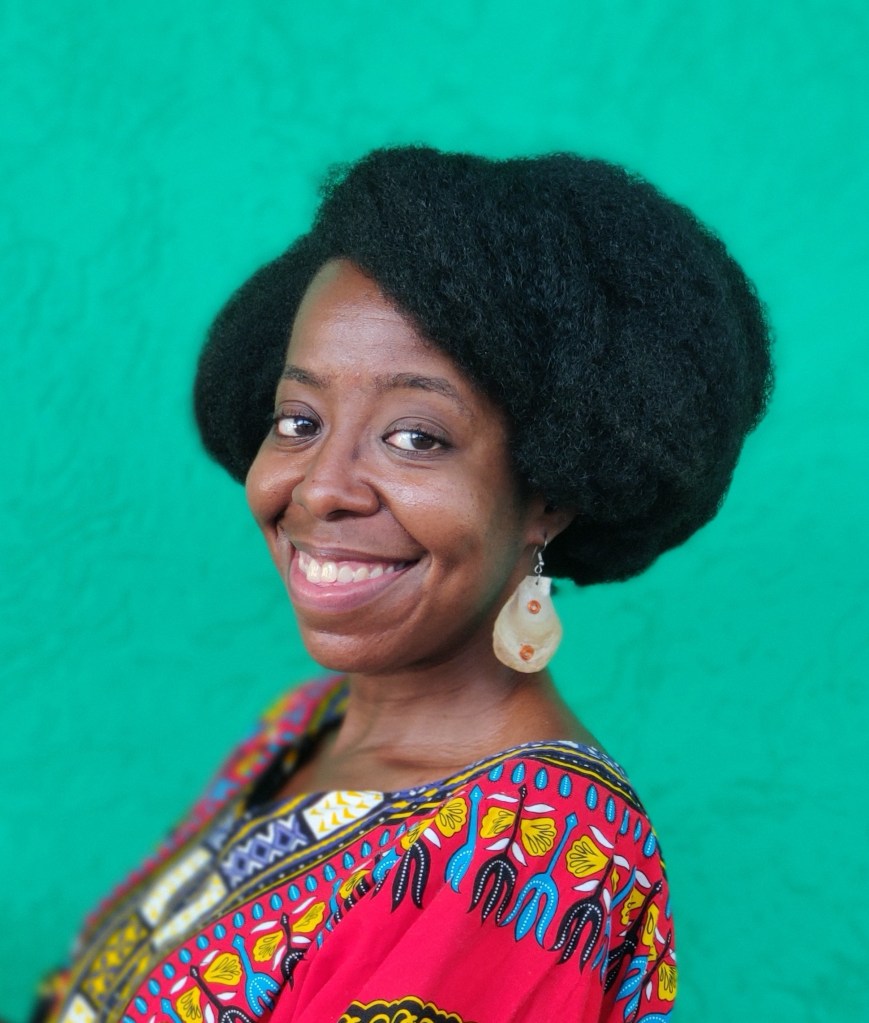

AKILAH WHITE is a Jamaican freelance book reviewer and sensitivity reader living in the shark’s mouth. Her writing has appeared in The Book Slut, Rebel Women Lit Magazine, and Intersect‘s Caribbean Queer Feminist Stories Vol 1 amongst other venues. When not doom scrolling on Twitter she bookstagrams at @ifthisisparadise

Discover poet-lyricists: Artists embodying the relationship between words and music

By Stephanie Gemmell

As distinct art forms, poetry and lyrics remain inherently intertwined. While many artists focus their energies on one or the other, some poets and musicians naturally express themselves through both mediums. For these artists, the different facets of the creative process seem to energize one another, supporting the development of new creative approaches and enabling writers to cultivate their most open and authentic voices throughout their work.

To highlight songwriters whose work traverses and transcends the boundaries between lyrics and poetry, I chose 10 artists whose work reflects different musical genres, poetic themes, and personal perspectives. Organized in no particular order, these artists vary widely in terms of their creative career trajectories and their development as musicians. Many of these writers have powerfully influenced my creative process as a writer and composer, and I feel confident that the same is true for many others as well.

Despite their differences, all of these artists palpably demonstrate authenticity, honesty, and openness throughout their work, making their artistic contributions especially valuable. These creators also display courage through cultivating their own unique voices, reflected in the distinctive nature of their words and music. More than half of these artists have also produced visual art in a variety of formats, further embodying intersections across creative mediums.


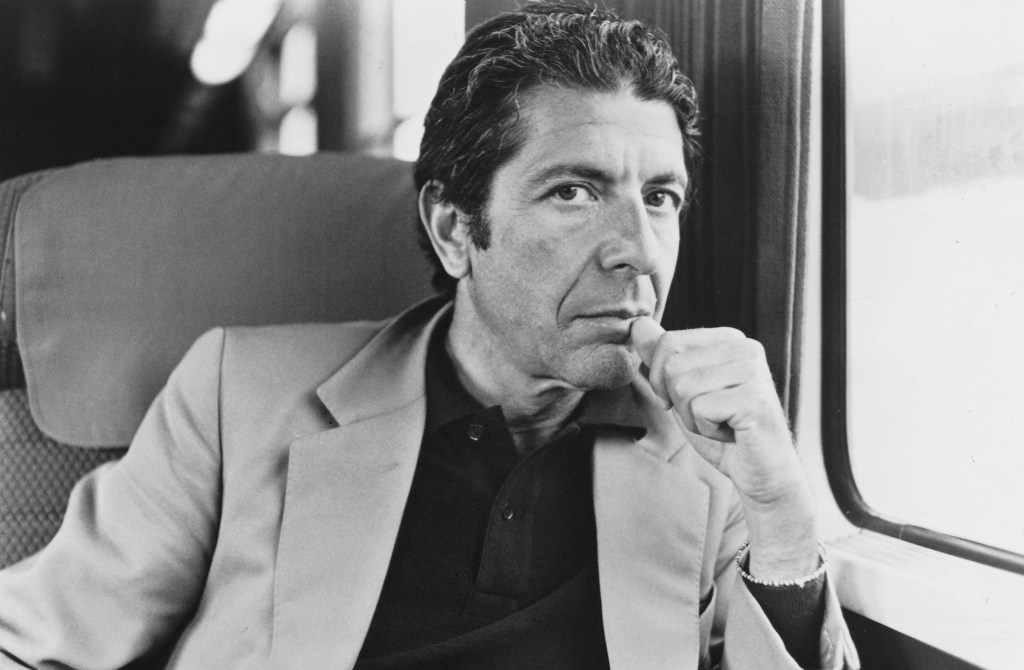
Leonard Cohen

Leonard Cohen famously embarked on a musical career at the age of 33, having already published poetry collections and two novels. Despite his relatively late start in the music industry—or perhaps partly because of it—Cohen became an eminent singer-songwriter, releasing 14 studio albums between 1967 and 2016. Cohen’s fifteenth album, Thanks for the Dance, was also released posthumously in 2019.

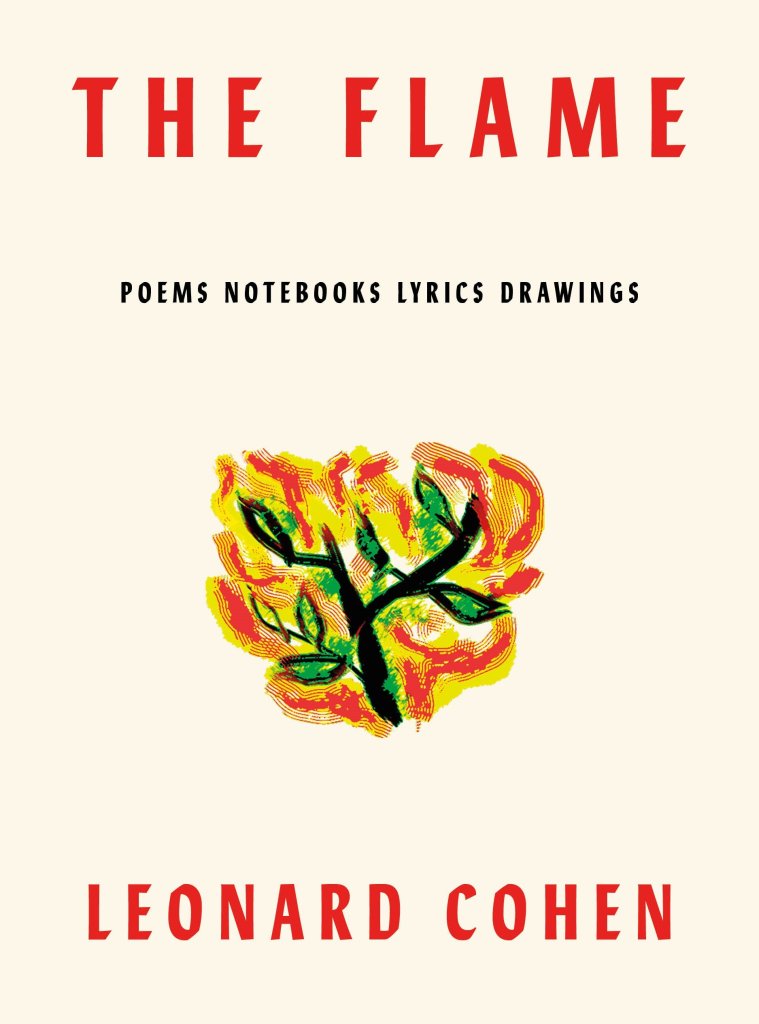
The distinctive literary voice that Cohen cultivated throughout his life echoes through both his lyrics and his poetry, contributing to a powerful catalog of music as well as multiple poetry collections. Most recently, Cohen published Book of Longing in 2006, and it included his first published poetry since the publication of his collection Book of Mercy in 1984. Following Cohen’s death in 2016, The Flame, a collection of poems, drawings, and journal entries, was published in 2018.

In discussing his creative process, Cohen tended to emphasize the length of time he spent drafting and revising individual songs. “The only thing I can say is, a song will yield if you stick with it long enough,” Cohen explained in an interview. “Usually, I take a long, long time – partly because of an addiction to perfection, partly just sheer laziness.” Despite his self-effacing remarks about his unconventional creative process, it remains clear that Cohen’s writing approach worked for him, enabling him to bring meaningful and memorable songs and poems into being.


Cohen’s poetry and lyrics throughout his career frequently addressed existential and religious questions, reflecting Cohen’s personal thoughts and questions. Cohen’s song “You Want it Darker,” released in 2016, explores notions related to religious belief, struggle, and justice from Cohen’s perspective near the end of his life. Much of Cohen’s posthumously-published writing included in The Flame also involves these themes. In the foreword to his father’s last book, Adam Cohen writes that the book “was what [Leonard Cohen] was staying alive to do, his sole breathing purpose at the end.” Adam Cohen also notes, “my father, before he was anything else, was a poet,” and this reality remains evident in the varied writing that follows. Many of Cohen’s poems employ rhythmic rhyme schemes, but in the poem “My Career,” Cohen concisely writes, “So little to say / So urgent / to say it.” Similarly addressing themes related to his work and legacy, Cohen concludes another poem, “If I Took a Pill,” with the lines, “I am trying to finish / My shabby career / With a little truth / In the now and here.”


Alicia Keys

When Alicia Keys entered the music industry at the young age of 13, she quickly faced demeaning power differentials and struggled to maintain control over her work and creative process. However, Keys embodied artistic tenacity from a young age, retaining power and ownership over her music and her public persona. Following the release of her debut album Songs in A Minor in 2001, Keys has continued to write, perform, and produce music that reflects her own unique R&B sound.

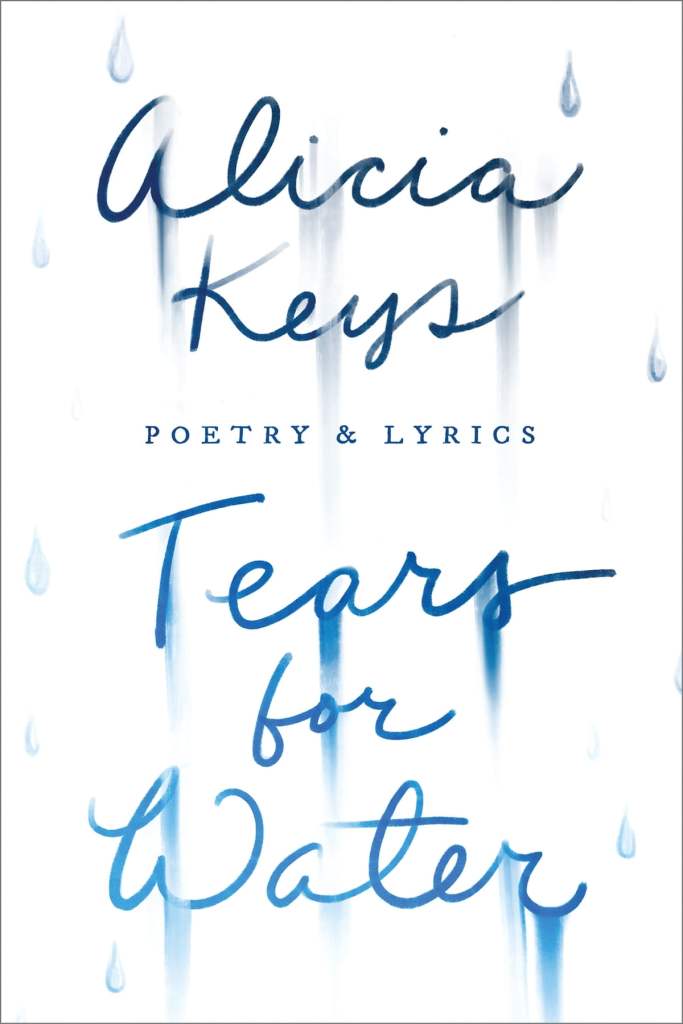
Following the release of her sophomore studio album, The Diary of Alicia Keys, Keys published Tears for Water: Poetry and Lyrics in 2004. Like her music, the collection offers insights into her mindset and perspective, as well as her own personal creative process. In her introduction, Keys writes, “I know that any creative expression is destined to be subject to criticism, but this book is for me and all those who are on the search for freedom.” The poems that follow embody an authentic vulnerability and sincerity, honestly reflecting specific moments and revelations in Keys’ early career. Along with Keys’ poetry, Tears for Water also includes explanations of the poems’ origins and what they originally meant to her. 


In the poem “golden child” Keys writes, “Girl, you be smart / look in your heart and see what shines in you.” In her commentary, Keys explains how the poem reflects a shift in her internal mindset, writing, “I was forced to believe in myself and not in what others thought of me,” describing the moment captured in the poem as a turning point in her life. Directly addressing themes of self-doubt, uncertainty, and burgeoning artistic confidence, the poems included in this collection exhibit the creative courage that Keys has continued to cultivate over the past two decades. In addition to her poetry collection, the fifteen-time Grammy winner also released a memoir, More Myself: A Journey, in 2020.


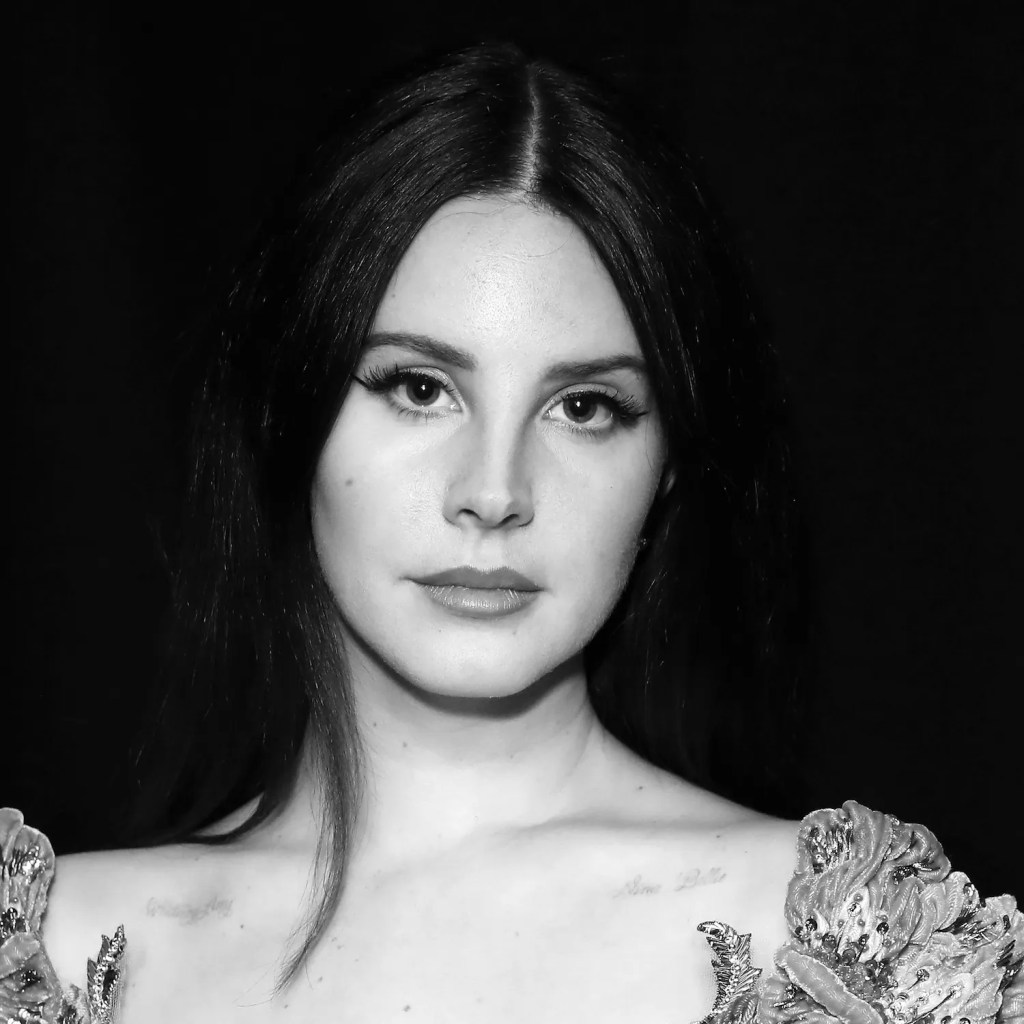
Lana Del Rey

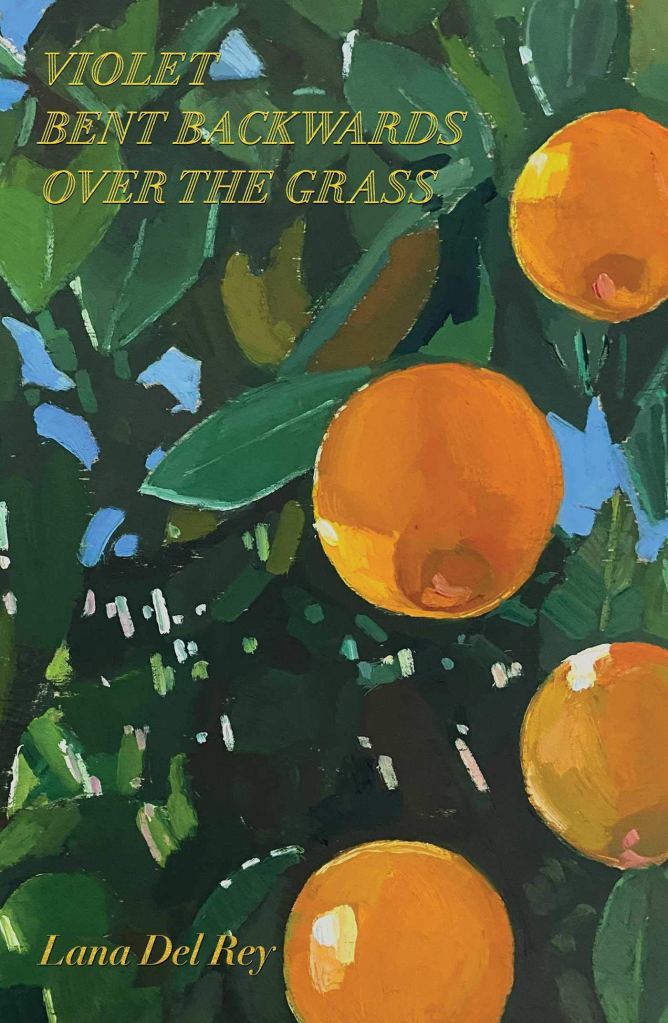
In an early interview, Lana Del Rey described that she selected her stage name as something that would guide the trajectory of her musical and creative process. Following the release of her breakthrough sophomore album Born to Die in 2012 at the age of 27, she has continued to create unique, authentic work that remains true to her voice. She released eight studio albums between 2010 and 2021, and her debut poetry collection, Violet Bent Backwards Over the Grass, was published in 2020.


In contrast to the rhythmic structure and rhyme scheme used in her music, the poetry in Del Rey’s collection tends to employ a free, stream of consciousness narrative approach. In the poem “SportCruiser,” Del Rey describes taking flight classes and sailing lessons, concluding, “All of this circumnavigating the earth / was to get back to my life / 6 trips to the moon for poetry to arise / I’m not a captain / I’m not a pilot / I write / I write.” 


Jim Morrison

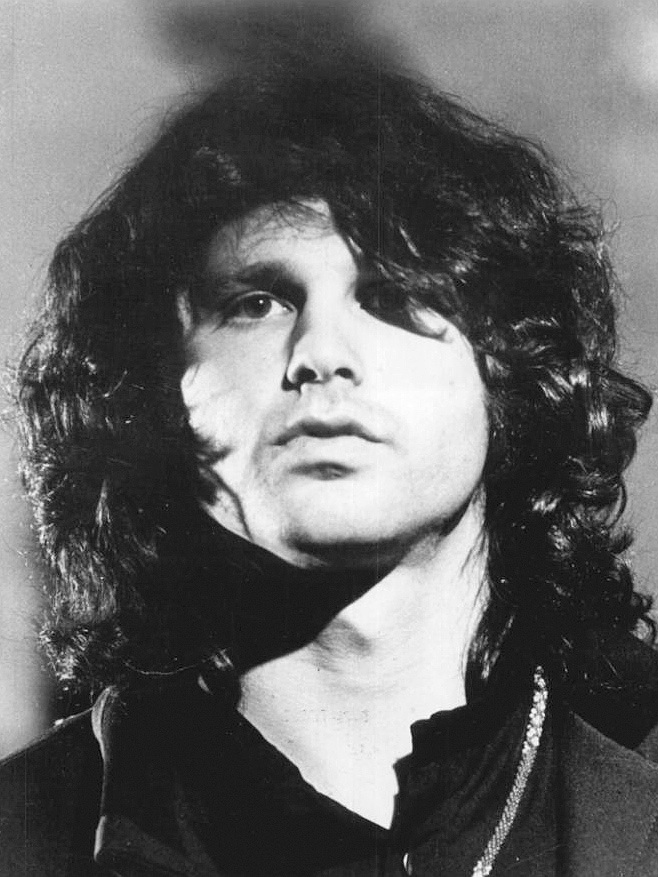
After rapidly rising to fame as the frontman of The Doors in the late 1960s, Jim Morrison developed a reputation for his distinctive onstage theatrics and the descriptive, philosophical nature of his lyrics. After cofounding The Doors with keyboardist Ray Manzarek in 1965, Morrison recorded six studio albums with the band between 1967 and 1971. Morrison’s unique vocal style and offbeat lyrics gave life to songs ranging from “Riders on the Storm” and “When the Music’s Over” to “Moonlight Drive,” “Roadhouse Blues,” and “L.A. Woman.”

Following his sudden death in Paris in 1971 at the age of 27, Morrison remained a seminal figure in psychedelic rock, being inducted into the Rock and Roll Hall of Fame in 1993 along with his bandmates from The Doors. But Morrison conceived of himself as a poet first and foremost, with his lyrics stemming from his original dedication to the craft of writing poetry.


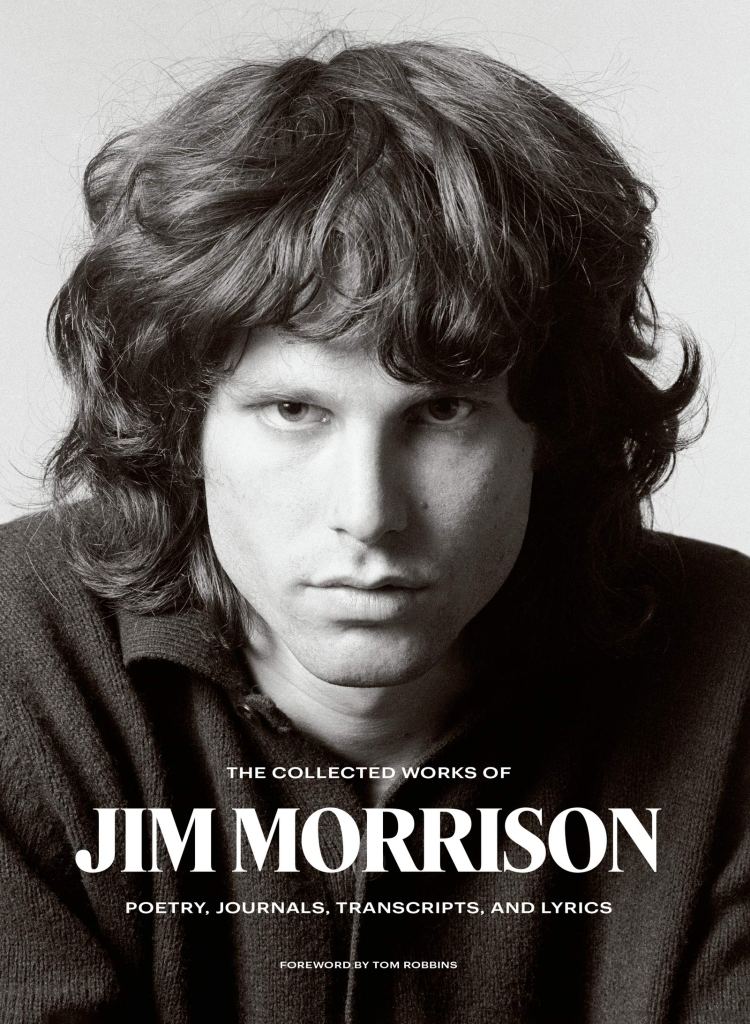
Morrison wrote poetry and lyrics synchronously as a member of The Doors. He self-published two collections of poetry in 1969, later compiled in The Lords and the New Creatures. Many of Morrison’s poems, drafts, and journal entries have been published in posthumous collections, including Wilderness in 1988 and The American Night in 1990. Most recently, The Collected Works of Jim Morrison, published in 2021, contains nearly 600 pages of both published and previously unpublished work from throughout Morrison’s life, reflecting his development as an artist and individual.

The collection demonstrates the breadth of Morrison’s interests beyond the sides of him commonly known in pop culture, including vividly descriptive imagery, metaphysical concepts, and narrative poetry. The book also provides pictures from Morrison’s notebooks with poems in his own handwriting, showing elements of his drafting and revision process. Morrison’s poem “The Universe” reflects recurring themes of metaphysics and reptile imagery. Morrison writes, “The Universe, one line, is a / long snake, & we each are / facets on its jeweled skin.” 


Florence Welch

As the vocalist and primary songwriter for her band Florence + The Machine, Florence Welch found her breakthrough success in the music industry with the band’s debut album Lungs in 2009. Since then, Welch has released four more albums with the band in addition to collaborating with other musicians as a featured artist. Many of Welch’s original lyrics incorporate existential and religious themes from varying perspectives, and her poetry collection, Useless Magic, reflects similar concepts.


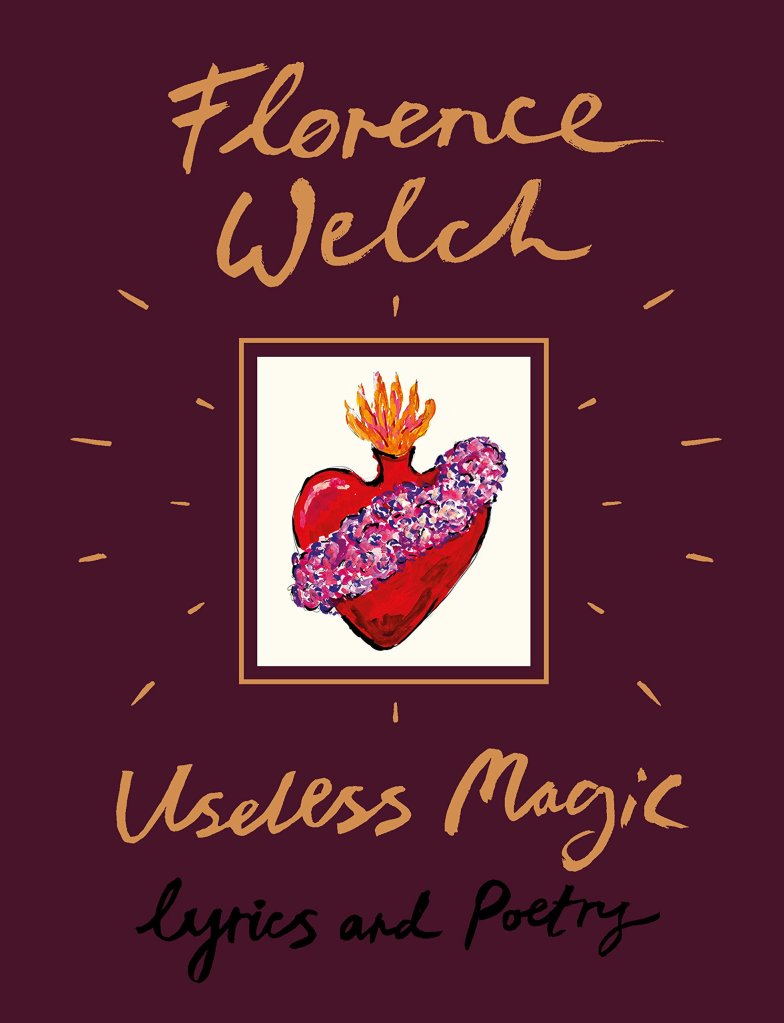
Published in 2018, Useless Magic includes lyrics from Welch’s first four albums, followed by poetry. In her preface, Welch explains, “I don’t know what makes a song a song and a poem a poem: they have started to bleed into each other at this stage.” In the poem “Monarch Butterflies,” Welch paradoxically writes, “I am afraid of things being written down / Confined to the page so permanent / There is an impermanence to song / It is fleeting and of the moment / Words grow wings.” 


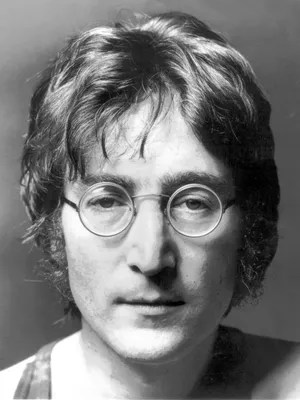
John Lennon

As one of the preeminent songwriters of the twentieth century, John Lennon left a lasting musical and cultural legacy, impacting generations of musicians and creatives. It would be difficult to overstate Lennon’s influence as the founder of the Beatles, a solo singer-songwriter, and a prominent peace activist. But in addition to his well-known accomplishments and artistic pursuits, Lennon also published two successful books early in his career.


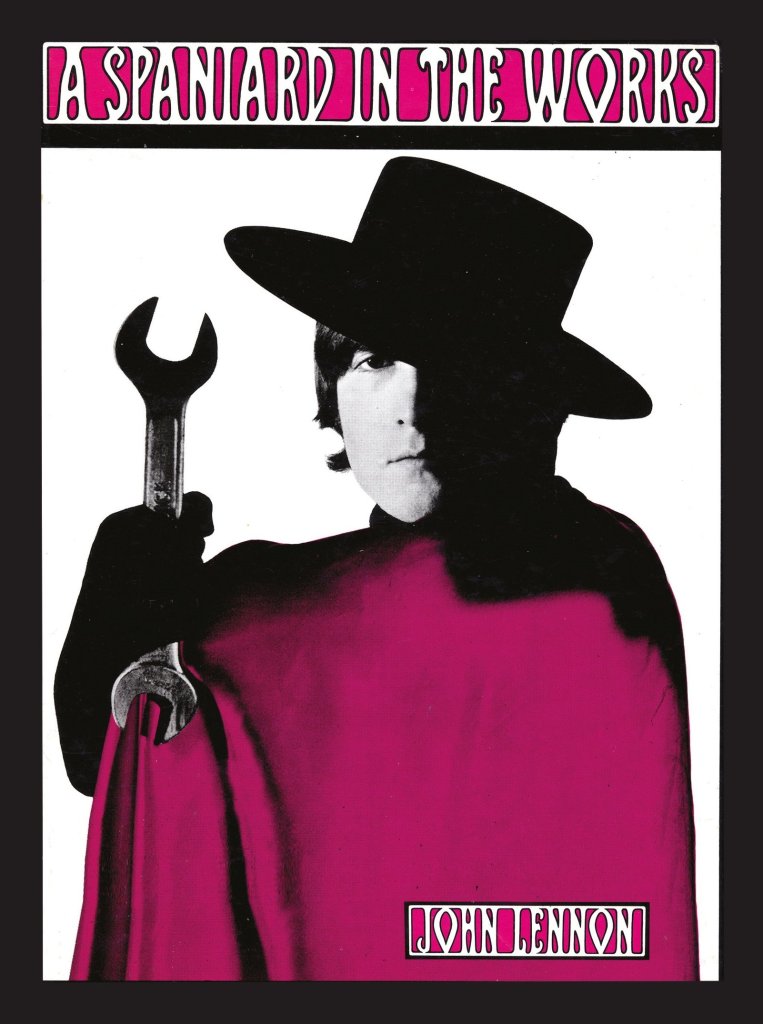
In His Own Write, published in 1964, includes poetry, short stories, and illustrations. The book has generally been classified as nonsense literature, featuring wordplay and anti-authority sentiments. Lennon published another book, A Spaniard in the Works, using a similar format of drawings and nonsensical short stories in 1965. Skywriting by Word of Mouth, published posthumously in 1986, includes more of Lennon’s miscellaneous writings, drawings, and cartoons. All three books reflect elements of Lennon’s background in visual art, including simple cartoons paired with his writing, stemming from his experiences and interests he originally developed as a young student.


Keaton Henson

Songwriter, composer, and visual artist Keaton Henson has paradoxically gained greater attention and recognition through his quietness. As a singer-songwriter, Henson scarcely performs due to anxiety, and themes related to mental health figure prominently in both his lyrics and instrumental scores. Henson’s vulnerable, deeply personal songwriting reveals an understated yet formidable artistic courage that finds expression throughout all of his work.

Henson launched his creative career as an illustrator and visual artist, designing album art for other musicians. Henson released his first music in 2010, after beginning to record original songs in his apartment without originally intending to release his music publicly. Since then, Henson has continued to consistently produce and release new music, sporadically performing his work live in concert. Henson also composed Six Lethargies, a 70-minute work for string orchestra, and the piece debuted in 2018.


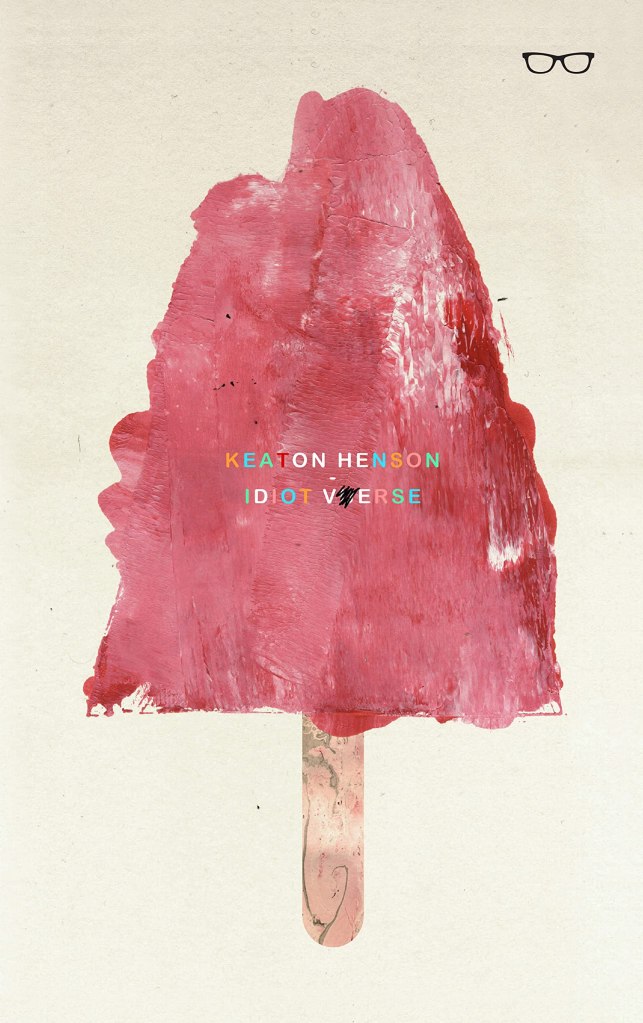
Henson’s songwriting style reflects a poetic sensitivity to language, and he published a poetry collection, Idiot Verse, in 2015. The book illustrates Henson’s background both as a writer and visual artist, including poetry and sketches. Henson’s publisher describes the collection as drawing on “the tradition of Leonard Cohen and John Lennon,” and similarities in style and creative approach are present throughout the collection. In the final stanza of the book’s opening poem, Henson states, “I’ll write it out just as I see it / and just as it sounds in my heart / and pay no mind to those wasting their time / in confusing confusion with art.” 


Mike Posner

After releasing his debut album 31 Minutes to Takeoff in 2010 at the age of 22, Mike Posner quickly became known in pop culture for his singles “Cooler Than Me” and “Please Don’t Go.” Following his first album’s international success, Posner grappled with the pressures of fame and struggled with depression, leading him to focus on writing and producing for other artists rather than releasing new solo work.


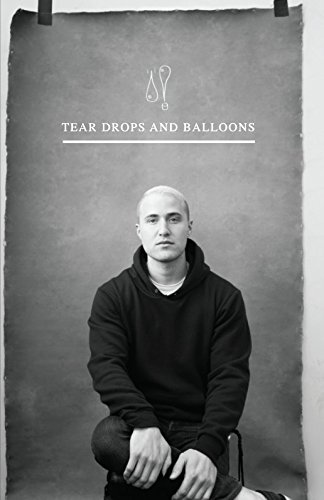
In 2015, Posner released the original acoustic version of his song “I Took a Pill in Ibiza,” which was later remixed by SeeB into a chart-topping tropical house song. His 2016 album, At Night, Alone, included both versions of “I Took a Pill in Ibiza,” along with “Be As You Are.” Both songs’ lyrics reflect a shift in artistic perspective, openness, and creative maturity that found similar expression in Posner’s 2017 poetry collection Tear Drops and Balloons. Posner has subsequently released two more albums and completed a walk across the United States in 2019, successfully walking more than 3,000 miles across the country after surviving a dangerous rattlesnake bite.


Joni Mitchell

Revered as a multidimensional songwriter whose extensive catalog of music transcends genres, Joni Mitchell has received nine Grammy Awards for her work and was inducted into the Rock and Roll Hall of Fame in 1997. Mitchell’s songwriting demonstrates a profound sensitivity and attentiveness to the power of language interconnected with rhythm. The poetry she has published throughout her career similarly reflects her talent for descriptive storytelling and her awareness of the interplay between sound and meaning in language.


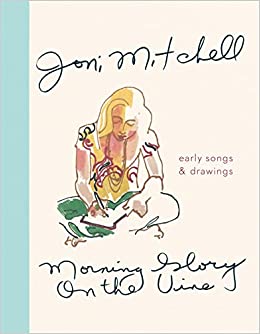
Published in 1997,  Joni Mitchell: The Complete Poems and Lyrics, reflects the breadth of her writing up to that point in her career. More recently, Mitchell published Morning Glory on the Vine: Early Songs and Drawings in 2019, representing a reproduction of a book she originally gave to friends as a gift in 1971. The book contains her original lyrics along with paintings and drawings, offering authentic representations of her creative process and mindset in the early stages of her musical career. In “Woodstock,” Mitchell writes, “We are stardust / We are golden / And we’ve got to get ourselves / Back to the garden.” Mitchell’s poetry tends to reflect her attention to both rhythm and the inherent music of language. In“Cactus Tree,” she writes, “Now she rallies her defenses / For she fears that one will ask her / For eternity / And she’s too busy / Being free.”


Kurt Cobain

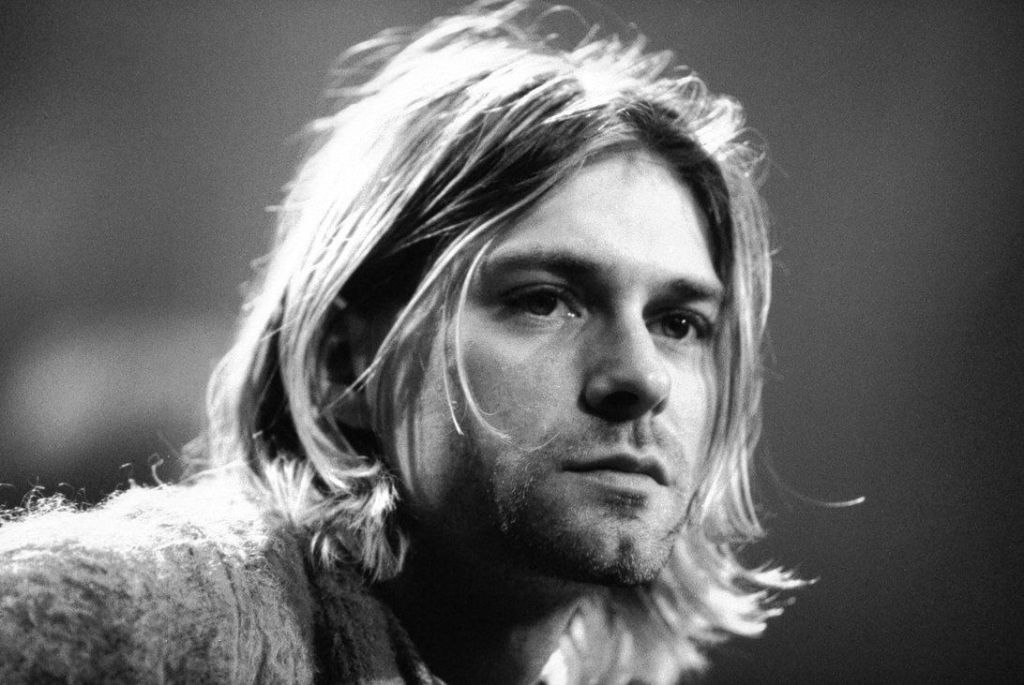
Known as the frontman, guitarist, and primary songwriter of Nirvana, Kurt Cobain left an indelible impression on the music industry and uniquely affected the development of alternative rock. Cobain released three studio albums with Nirvana, finding major commercial success through the release of the band’s sophomore album Nevermind in 1991, followed by In Utero in 1993. After Cobain’s tragic death by suicide at the age of 27 in 1994, his artistry has continued to powerfully impact other artists and musicians. Cobain was posthumously inducted into the Rock and Roll Hall of Fame in 2014 along with his Nirvana bandmates.


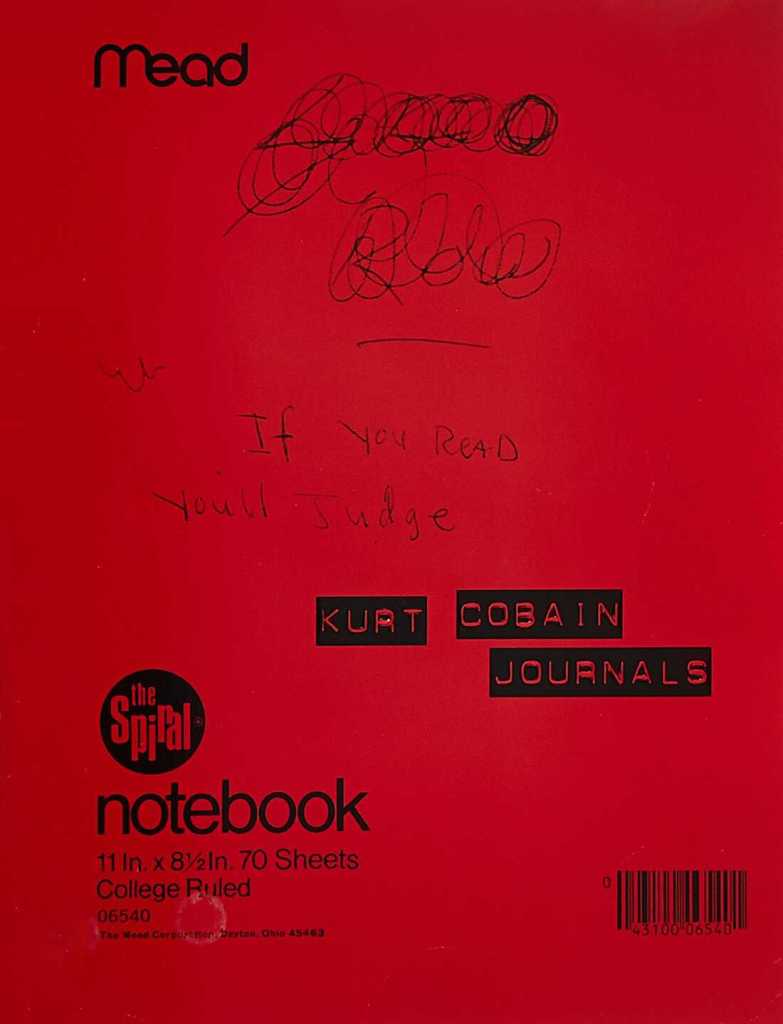
Many fans and admirers of Cobain would be unlikely to characterize him as a poet in the traditional sense, and he did not publish any poetry during his lifetime. But Kurt Cobain’s Journals, published posthumously in 2002, includes poetry he drafted, along with other lyrics and drawings from his personal notebooks. The unedited nature of the writing provides a clear glimpse into Cobian’s thought process and creative perspective.  In one entry, Cobain writes “I am threatened by ridicule… My emotions are affected by music. Punk rock means freedom. I use bits and pieces of others’ personalities to form my own.”


STEPHANIE GEMMELL is a writer and composer currently living in Pennsylvania. Her writing has been featured in Just Place ChapbookCapitol LettersThe Ekphrastic ReviewThe Rival GW, and in the poetry anthology Falling Leaves published by Day Eight. She also attended the 2021 Glen Workshop as a poetry and songwriting fellow. She recently graduated summa cum laude from George Washington University with a BA in Religious Studies and minors in Journalism and Psychology. Her work is motivated by the unique power of art to ask meaningful questions and inspire authenticity.

Navel

My mother said mothers

are vessels of pain.

Triangled bellies

and a girlhood of spasms—

mothers carry water

in baskets of blood.

She tells me:

We pure as milk.

Ships are also ‘shes

and we are ships on a slope of ocean

sailing north to build gardens

of scarred fruits.

When it starts to rain,

I grip my mother’s hand:

it is a fossil of my own.

Afternoon songs haunt the heat

and we climb on, small fractures

on the rib of history.


SARA MURRAY is a graduate of English Literature & Creative Writing at the University of Warwick. She currently works as a Content Manager in London and writes, paints and cooks in her spare time. Her work has previously been published in FGRLS CLUB and Kamena Magazine.

Central Park Once


EVAN BURKIN is fond of Russian authors: Dostoevsky, Sokolov, Shiskin, Nabokov, Akhmatova, and so many others. He works as a development writer at a university. His work has been published or is forthcoming in the Los Angeles Review of Books, Analogies & Allegories Literary Magazine, Feral: A Journal of Poetry and Art, The Madrigal, Rain Taxi, and Sur.

Clematis Sky

slow boil of the autumn sun

long-winded waves of switchgrass distilling the dawn

how quietly the day unfolds yellow day lilies

new neighbor: the scent of her pink plumerias

age of autumn my snowdrops not ready to bloom

your sweet-scented smile   clematis sky

long after your soft petals have fallen pinwheel galaxy


Silk~ is a Japanese short-form poet who is obsessed with one-lined haiku poems. Since embarking on this creative writing journey in July 2020, monoku poems have gained considerable popularity on social media: #monoku. Silk~’s most recent publication credits include Frogpond, Versification, Briefly Write Magazine, Mycelium MagazinePaddler Press and Modern Haiku. You can find Silk~ on Twitter: @Silk73507704.

Guava Thieves

If it is up there, you ought to grab it
like you did without worry as a child—
steal guavas from any tree in our piddling purview,
even from the guarded gardens, strictly forbidden. 

At ease in your elastic enjoyment, detached
from backlash, even while in the frame of the crime
with friends of same feathers, thick as thieves,
like a pandemonium of parrots who just flitted away.

I have them still, my friends of plunder & pillage,
yet I find them today in their pockets & protocols
of propriety & parenthood, reluctant to rob remembrances—
too busy to share the tricky tales of our thefts, together. 

***


Debasis Tripathy was born in Odisha, India. His poems have appeared or are forthcoming in Decomp, UCity Review, Rogue Agent, Leon Lit, Vayavya, Mantle Poetry, and several other journals online and in print. He lives in Bangalore, where he works in information technology.

Hungry For Teeth

My teeth are forgotten bones
waiting quietly in my gums,
becoming comfortable behind lips
that tighten into a smile.


In tandem, my lips and teeth say,
It’s okay and
Oh, it’s no trouble and
No, no — really — I don’t mind.


With every phrase, I hunger for teeth
that line a quick, articulate tongue—
teeth and tongue that create
a path for me to walk.


I am hungry for teeth
that rip and tear,
teeth that meet the skin,
leave a mark,


teeth that will not loosen,
that I will not hide.


Haley Petcher lives in Huntsville, AL with her husband, Doberman, and cat and teaches high school English. She earned her BA from Auburn University and her MA from the University of Louisville, and she sends thanks to her professors for allowing her to repeatedly crash their office hours. She has writing in Pithead Chapel, Inkwell Journal, and Coffin Bell Journal, among others, and you can find her on Twitter: @HaleyPetcher, and at https://petcherpages.wixsite.com/portfolio.