As an island child who imagined conifer trees by an oily harbour in my hollowed core when I lived in a foreign mainland, those lines from the poem ‘Gods in the Surf’ were a recognisable code. Growing up in a tourist town bore out an affinity for writers who situated beaches within the locals’ quotidian patterns, the water-borne histories that often connect island states to colonialism and imperialism, rather than the popular image of idyllic pleasure sites. In Dominant Genes, a hybrid collection of poetry and nonfiction, SJ Sindu, a Tamil diaspora author in Canada, reconfigures dominant concepts about place, family, love, gender and sexuality, religion, and herself. She restories how they can be, how they are, and how she is in the world, considered through an exploration of familial and cultural inheritance.
This latest release made me mentally kick myself for letting my copy of Sindu’s debut novel Marriage of a Thousand Lies (2017) languish in the cloud unread. Readers who have followed her writing since then will be familiar with the bright thematic threads spun into the present: How do queer Sri Lankans navigate relationships with themselves, their matriarchal families and community marriage market? What is British colonialism’s impact on indigenous ontology and understandings of Hinduism that obscure its visiblly queer gender and sexual narratives?
The “I” appears often in what Sindu acknowledged to be a directly autobiographical work but the “I” does not stagnate in a limited individualism. To give the work a genetic framing necessitates a focus on self in relation to others. The “I” shifts to “we” in critical thematic pieces in which spatial, temporal, and spiritual boundaries are permeable pathways to consider inheritance: what legacies are within the writer’s power to claim, to reject? Recognising an ancient epic’s unique mutability in its hold over collective consciousness, Sindu restories mythic figures to pose potent questions about epigenetic endowments like anger and violence which are not easy to avow or disavow.
In the poem ‘Sun God’, Sindu imagines herself in tandem with Karna through framings that implicate her Tamil identity. He is not the chosen one and “…his real story is one of self-destruction” where he ends up on “the wrong side of a holy war”. The speaker sets one of her childhood memories alongside an imagined “little Karna”, asking “bad questions” about identity. His is about perceived godhood, hers about perceived righteousness.
Whether obliquely or directly addressed, the Sri Lankan civil war that started in 1983, four years before Sindu was born, underpins much of who and what she explores in this collection. Heritage—cultural practices and intangible ideas embodied in offspring across generations—becomes that much more of a contested territory for a displaced people driven out by targeted violence.
if one man’s freedom fighter
is another man’s terrorist
then are we on the wrong side of this war
But a soldier with a weapon in hand is not the first figure to mete out violence on the page —it is the author’s mother, threaded needle in hand, in ‘The Birth Story’.
My mother, out of love, stitches up my heart, pulling the thread tight to make sure it won’t rupture again at the same spot. My heart is defenseless, ready to come undone at the next crisis. While she’s at it, my mother stitches up my mouth, too, and turns her needle and thread to my brain.
The author is disembodied, represented only as cavity and viscera, vulnerable, in a “birth” that recalls Dr. Frankenstein and his creature. In ‘Dominant Genes’, the last poem, there is a memory of Sindu as a child unknowingly taking advantage of her mother’s ophidiophobia to terrify her—a “favourite pastime” because it placed the mother within the child’s power. The two poems frame the power struggles in a fraught relationship that straddles the entire collection. The glimpses offered into their personal history encompass a mother who denies her gender queerness through the policing of her clothes in ‘Draupadi Walks Alone at Night’, dismisses her love for a woman as a “phase” in ‘Mother’, rediagnoses her depression as “weakness of character, stress, overwork” in ‘Parental Love’. The lens expands to include the aunties, active stockbrokers in a now globalised marriage market conducted online as well as in person. For to be perceived as a single young woman is to ceaselessly exist on an auction block under their commodifying, dissecting gaze – “My worth measured in pigments and strands.”
Raj Chakrapani, a poet, filmmaker, and professor, in conversation with Sindu for The Rumpus in 2017, probed at the deeper reasons for Sri Lankan parents “obsession with marriage” beyond the typical assumptions, especially those who were war refugees. Sindu answered:
“I think marriage for many South Asian parents becomes the embodiment of tradition and of maintaining that cultural link back to the homeland. […] The other part, specific to Sri Lankan parents, is that marriage and family are signifiers of security and support. And as people who have experienced war, they know how important the security and support of family can be to survival. When the world turns dangerous, who can you trust? Who can you rely on to protect you? A nuclear family is a great solution to that problem. And at the center of that is a happy marriage, according to traditional views of family.”
Yet, in this collection, Sindu never entertains the notion that her feminism and queerness renders her as other in relation to her culture. With the evocatively titled “Draupadi Walks Alone at Night”, the longest of the mini-essays, Sindu pins Draupadi’s story at the centre of the Mahābhārata to map and sequence the patriarchal norms embedded in its narrative code, and how it connects and reinforces the objectification of and violence against femmes, whether cis or genderqueer, detailed in varying degrees throughout the collection.
‘To all My Suitors and the Aunties Who Send Them My Way’ the family’s treatment of Sindu as a child creates an image that recalls divinity. “…my aunts and uncles took turns fanning the [chicken pox] sores with bundles of curry leaves so I wouldn’t be tempted to scratch”. That touch of the divine appears in Draupadi’s story, her birth a prayer granted to Drupada, her father, to aid in his revenge plans. To help grant his desire, she participates in his plan to make an advantageous alliance via marriage. At no point is the reader given the impression that Sindu felt any true desire to do the same, there was a period during which she met with “potential suitors” from the belief that her parents’ mental health depended on her performing conformity, however limited. Draupadi ends up in a polyamorous marriage to five brothers not by choice but through her mother-in-law’s mistake. Yet not even five husbands could protect her from abuse and public humiliation—indeed others cite it as the reason she deserves it—and so she has fallen from a created feminine virtue. As an example of the most extreme practices to uphold this ideal, in an earlier section the reader learns that women are forced to marry their rapists in parts of rural India.
Through this and poems like “Sun God”—about Karna, who called Draupadi a “whore”—Dominant Genes becomes a part of a centuries-long previously mentioned tradition of reinterpreting the ancient Sanskrit epics to sustain its relevance to the ever changing times. At the end of the essay, after detailing the extent to which Draupadi and so many like her are wronged, Sindu names what she desires for them all: anger. Not just the intergenerational trait “folded up in the pleats of sarees”, sucked through breast milk, as mentioned at the beginning—the anger she tries to exorcise through haircuts, the anger her mother tries to quiet through prayer. She wants a transformative anger that can destabilise and rebuild worlds. She morphs the thread imagery in ‘The Birth Story’ from her mother’s oppressive, confining intent to one that rage cuts through to unleash its creative generative possibilities. Sindu herself can spin it into her own protective boundaries, reconciling not only the differences between her mother and the writer-offspring, but also the different selves within the writer.
Is it fair to say that hybrid collections such as this are trending in the literary marketplace? True or not, they are my new favourites, especially ones like this where the combination of two writing genres, poetry and nonfiction, reflect the theme of twoness in the collection as coexistence and conflict. On average a little over a page long, the essays’ brevity and internal associative logic forced me to break their hold to remind myself which ones were the poems. It may not sync with the author’s categorisation but a more traditional or relaxed adherence to writing conventions proved the easiest tells. The poems feature a very limited use of capitalizations, except for proper nouns in most instances, and a few commas or colons for specific clarity. This sharpened meaning in poems like ‘Gods in the Surf’ that revolve around the different locations—“America”, the “Gulf” ocean—and the different meanings they hold, and in the silence of the landmass that is not named except in geographical terms. It also offered Sindu the freedom to play with how language creates meaning. With little punctuation, reading the poems aloud encouraged a sensitivity to rhythm and proximity to discern meaning. A stanza could be a complete statement on its own or it could be split, a part of it easily read and understood as belonging to the next. From ‘How to Survive a Pandemic’:
these were the happy days
before the plague
and then after
it was out of necessity
is what we tell ourselves
giving up our skin
was the only way we knew
how to stay inside
and still be human
In the title poem, Sindu traces her “serpent-tongue” through her “foggy ancestral memory” to her snake worshipping ancestors. She names it both a “gift” and a “liability”, the latter word weighted with its own ambiguity in this context. Who or what does it put at a disadvantage? Is that a bad thing? Her mother’s instruction to “write nice stories” is received as a move to cage her tongue, a negative image. Yet Dominant Genes shows Sindu’s awareness of the risk that comes with any kind of destructive power. Book marketing language can enervate overused words but I hope some of mine conveyed what courage, what rebellious love lives in this text. May it be a literary heirloom to families born, found, and yet to come.
AKILAH WHITE is a Jamaican freelance book reviewer and sensitivity reader living in the shark’s mouth. Her writing has appeared in The Book Slut, Rebel Women Lit Magazine, and Intersect‘s Caribbean Queer Feminist Stories Vol 1 amongst other venues. When not doom scrolling on Twitter she bookstagrams at @ifthisisparadise.
As distinct art forms, poetry and lyrics remain inherently intertwined. While many artists focus their energies on one or the other, some poets and musicians naturally express themselves through both mediums. For these artists, the different facets of the creative process seem to energize one another, supporting the development of new creative approaches and enabling writers to cultivate their most open and authentic voices throughout their work.
To highlight songwriters whose work traverses and transcends the boundaries between lyrics and poetry, I chose 10 artists whose work reflects different musical genres, poetic themes, and personal perspectives. Organized in no particular order, these artists vary widely in terms of their creative career trajectories and their development as musicians. Many of these writers have powerfully influenced my creative process as a writer and composer, and I feel confident that the same is true for many others as well.
Despite their differences, all of these artists palpably demonstrate authenticity, honesty, and openness throughout their work, making their artistic contributions especially valuable. These creators also display courage through cultivating their own unique voices, reflected in the distinctive nature of their words and music. More than half of these artists have also produced visual art in a variety of formats, further embodying intersections across creative mediums.
Leonard Cohen
Leonard Cohen famously embarked on a musical career at the age of 33, having already published poetry collections and two novels. Despite his relatively late start in the music industry—or perhaps partly because of it—Cohen became an eminent singer-songwriter, releasing 14 studio albums between 1967 and 2016. Cohen’s fifteenth album, Thanks for the Dance, was also released posthumously in 2019.
The distinctive literary voice that Cohen cultivated throughout his life echoes through both his lyrics and his poetry, contributing to a powerful catalog of music as well as multiple poetry collections. Most recently, Cohen published Book of Longing in 2006, and it included his first published poetry since the publication of his collection Book of Mercy in 1984. Following Cohen’s death in 2016, The Flame, a collection of poems, drawings, and journal entries, was published in 2018.
In discussing his creative process, Cohen tended to emphasize the length of time he spent drafting and revising individual songs. “The only thing I can say is, a song will yield if you stick with it long enough,” Cohen explained in an interview. “Usually, I take a long, long time – partly because of an addiction to perfection, partly just sheer laziness.” Despite his self-effacing remarks about his unconventional creative process, it remains clear that Cohen’s writing approach worked for him, enabling him to bring meaningful and memorable songs and poems into being.
Cohen’s poetry and lyrics throughout his career frequently addressed existential and religious questions, reflecting Cohen’s personal thoughts and questions. Cohen’s song “You Want it Darker,” released in 2016, explores notions related to religious belief, struggle, and justice from Cohen’s perspective near the end of his life. Much of Cohen’s posthumously-published writing included in The Flamealso involves these themes. In the foreword to his father’s last book, Adam Cohen writes that the book “was what [Leonard Cohen] was staying alive to do, his sole breathing purpose at the end.” Adam Cohen also notes, “my father, before he was anything else, was a poet,” and this reality remains evident in the varied writing that follows. Many of Cohen’s poems employ rhythmic rhyme schemes, but in the poem “My Career,” Cohen concisely writes, “So little to say / So urgent / to say it.” Similarly addressing themes related to his work and legacy, Cohen concludes another poem, “If I Took a Pill,” with the lines, “I am trying to finish / My shabby career / With a little truth / In the now and here.”
Alicia Keys
When Alicia Keys entered the music industry at the young age of 13, she quickly faced demeaning power differentials and struggled to maintain control over her work and creative process. However, Keys embodied artistic tenacity from a young age, retaining power and ownership over her music and her public persona. Following the release of her debut album Songs in A Minor in 2001, Keys has continued to write, perform, and produce music that reflects her own unique R&B sound.
Following the release of her sophomore studio album, The Diary of Alicia Keys, Keys published Tears for Water: Poetry and Lyrics in 2004. Like her music, the collection offers insights into her mindset and perspective, as well as her own personal creative process. In her introduction, Keys writes, “I know that any creative expression is destined to be subject to criticism, but this book is for me and all those who are on the search for freedom.” The poems that follow embody an authentic vulnerability and sincerity, honestly reflecting specific moments and revelations in Keys’ early career. Along with Keys’ poetry, Tears for Water also includes explanations of the poems’ origins and what they originally meant to her.
In the poem “golden child” Keys writes, “Girl, you be smart / look in your heart and see what shines in you.” In her commentary, Keys explains how the poem reflects a shift in her internal mindset, writing, “I was forced to believe in myself and not in what others thought of me,” describing the moment captured in the poem as a turning point in her life. Directly addressing themes of self-doubt, uncertainty, and burgeoning artistic confidence, the poems included in this collection exhibit the creative courage that Keys has continued to cultivate over the past two decades. In addition to her poetry collection, the fifteen-time Grammy winner also released a memoir, More Myself: A Journey, in 2020.
Lana Del Rey
In an early interview, Lana Del Rey described that she selected her stage name as something that would guide the trajectory of her musical and creative process. Following the release of her breakthrough sophomore album Born to Die in 2012 at the age of 27, she has continued to create unique, authentic work that remains true to her voice. She released eight studio albums between 2010 and 2021, and her debut poetry collection, Violet Bent Backwards Over the Grass, was published in 2020.
In contrast to the rhythmic structure and rhyme scheme used in her music, the poetry in Del Rey’s collection tends to employ a free, stream of consciousness narrative approach. In the poem “SportCruiser,” Del Rey describes taking flight classes and sailing lessons, concluding, “All of this circumnavigating the earth / was to get back to my life / 6 trips to the moon for poetry to arise / I’m not a captain / I’m not a pilot / I write / I write.”
Jim Morrison
After rapidly rising to fame as the frontman of The Doors in the late 1960s, Jim Morrison developed a reputation for his distinctive onstage theatrics and the descriptive, philosophical nature of his lyrics. After cofounding The Doors with keyboardist Ray Manzarek in 1965, Morrison recorded six studio albums with the band between 1967 and 1971. Morrison’s unique vocal style and offbeat lyrics gave life to songs ranging from “Riders on the Storm” and “When the Music’s Over” to “Moonlight Drive,” “Roadhouse Blues,” and “L.A. Woman.”
Following his sudden death in Paris in 1971 at the age of 27, Morrison remained a seminal figure in psychedelic rock, being inducted into the Rock and Roll Hall of Fame in 1993 along with his bandmates from The Doors. But Morrison conceived of himself as a poet first and foremost, with his lyrics stemming from his original dedication to the craft of writing poetry.
Morrison wrote poetry and lyrics synchronously as a member of The Doors. He self-published two collections of poetry in 1969, later compiled in The Lords and the New Creatures. Many of Morrison’s poems, drafts, and journal entries have been published in posthumous collections, including Wilderness in 1988 and The American Night in 1990. Most recently, The Collected Works of Jim Morrison, published in 2021, contains nearly 600 pages of both published and previously unpublished work from throughout Morrison’s life, reflecting his development as an artist and individual.
The collection demonstrates the breadth of Morrison’s interests beyond the sides of him commonly known in pop culture, including vividly descriptive imagery, metaphysical concepts, and narrative poetry. The book also provides pictures from Morrison’s notebooks with poems in his own handwriting, showing elements of his drafting and revision process. Morrison’s poem “The Universe” reflects recurring themes of metaphysics and reptile imagery. Morrison writes, “The Universe, one line, is a / long snake, & we each are / facets on its jeweled skin.”
Florence Welch
As the vocalist and primary songwriter for her band Florence + The Machine, Florence Welch found her breakthrough success in the music industry with the band’s debut album Lungs in 2009. Since then, Welch has released four more albums with the band in addition to collaborating with other musicians as a featured artist. Many of Welch’s original lyrics incorporate existential and religious themes from varying perspectives, and her poetry collection, Useless Magic, reflects similar concepts.
Published in 2018, Useless Magic includes lyrics from Welch’s first four albums, followed by poetry. In her preface, Welch explains, “I don’t know what makes a song a song and a poem a poem: they have started to bleed into each other at this stage.” In the poem “Monarch Butterflies,” Welch paradoxically writes, “I am afraid of things being written down / Confined to the page so permanent / There is an impermanence to song / It is fleeting and of the moment / Words grow wings.”
John Lennon
As one of the preeminent songwriters of the twentieth century, John Lennon left a lasting musical and cultural legacy, impacting generations of musicians and creatives. It would be difficult to overstate Lennon’s influence as the founder of the Beatles, a solo singer-songwriter, and a prominent peace activist. But in addition to his well-known accomplishments and artistic pursuits, Lennon also published two successful books early in his career.
In His Own Write, published in 1964, includes poetry, short stories, and illustrations. The book has generally been classified as nonsense literature, featuring wordplay and anti-authority sentiments. Lennon published another book, A Spaniard in the Works, using a similar format of drawings and nonsensical short stories in 1965. Skywriting by Word of Mouth, published posthumously in 1986, includes more of Lennon’s miscellaneous writings, drawings, and cartoons. All three books reflect elements of Lennon’s background in visual art, including simple cartoons paired with his writing, stemming from his experiences and interests he originally developed as a young student.
Keaton Henson
Songwriter, composer, and visual artist Keaton Henson has paradoxically gained greater attention and recognition through his quietness. As a singer-songwriter, Henson scarcely performs due to anxiety, and themes related to mental health figure prominently in both his lyrics and instrumental scores. Henson’s vulnerable, deeply personal songwriting reveals an understated yet formidable artistic courage that finds expression throughout all of his work.
Henson launched his creative career as an illustrator and visual artist, designing album art for other musicians. Henson released his first music in 2010, after beginning to record original songs in his apartment without originally intending to release his music publicly. Since then, Henson has continued to consistently produce and release new music, sporadically performing his work live in concert. Henson also composed Six Lethargies, a 70-minute work for string orchestra, and the piece debuted in 2018.
Henson’s songwriting style reflects a poetic sensitivity to language, and he published a poetry collection, Idiot Verse, in 2015. The book illustrates Henson’s background both as a writer and visual artist, including poetry and sketches. Henson’s publisher describes the collection as drawing on “the tradition of Leonard Cohen and John Lennon,” and similarities in style and creative approach are present throughout the collection. In the final stanza of the book’s opening poem, Henson states, “I’ll write it out just as I see it / and just as it sounds in my heart / and pay no mind to those wasting their time / in confusing confusion with art.”
Mike Posner
After releasing his debut album 31 Minutes to Takeoff in 2010 at the age of 22, Mike Posner quickly became known in pop culture for his singles “Cooler Than Me” and “Please Don’t Go.” Following his first album’s international success, Posner grappled with the pressures of fame and struggled with depression, leading him to focus on writing and producing for other artists rather than releasing new solo work.
In 2015, Posner released the original acoustic version of his song “I Took a Pill in Ibiza,” which was later remixed by SeeB into a chart-topping tropical house song. His 2016 album, At Night, Alone, included both versions of “I Took a Pill in Ibiza,” along with “Be As You Are.” Both songs’ lyrics reflect a shift in artistic perspective, openness, and creative maturity that found similar expression in Posner’s 2017 poetry collection Tear Drops and Balloons. Posner has subsequently released two more albums and completed a walk across the United States in 2019, successfully walking more than 3,000 miles across the country after surviving a dangerous rattlesnake bite.
Joni Mitchell
Revered as a multidimensional songwriter whose extensive catalog of music transcends genres, Joni Mitchell has received nine Grammy Awards for her work and was inducted into the Rock and Roll Hall of Fame in 1997. Mitchell’s songwriting demonstrates a profound sensitivity and attentiveness to the power of language interconnected with rhythm. The poetry she has published throughout her career similarly reflects her talent for descriptive storytelling and her awareness of the interplay between sound and meaning in language.
Published in 1997, Joni Mitchell: The Complete Poems and Lyrics, reflects the breadth of her writing up to that point in her career. More recently, Mitchell published Morning Glory on the Vine: Early Songs and Drawings in 2019, representing a reproduction of a book she originally gave to friends as a gift in 1971. The book contains her original lyrics along with paintings and drawings, offering authentic representations of her creative process and mindset in the early stages of her musical career. In “Woodstock,” Mitchell writes, “We are stardust / We are golden / And we’ve got to get ourselves / Back to the garden.” Mitchell’s poetry tends to reflect her attention to both rhythm and the inherent music of language. In“Cactus Tree,” she writes, “Now she rallies her defenses / For she fears that one will ask her / For eternity / And she’s too busy / Being free.”
Kurt Cobain
Known as the frontman, guitarist, and primary songwriter of Nirvana, Kurt Cobain left an indelible impression on the music industry and uniquely affected the development of alternative rock. Cobain released three studio albums with Nirvana, finding major commercial success through the release of the band’s sophomore album Nevermind in 1991, followed by In Utero in 1993. After Cobain’s tragic death by suicide at the age of 27 in 1994, his artistry has continued to powerfully impact other artists and musicians. Cobain was posthumously inducted into the Rock and Roll Hall of Fame in 2014 along with his Nirvana bandmates.
The cover to Journals by Kurt Cobain.
Many fans and admirers of Cobain would be unlikely to characterize him as a poet in the traditional sense, and he did not publish any poetry during his lifetime. But Kurt Cobain’s Journals, published posthumously in 2002, includes poetry he drafted, along with other lyrics and drawings from his personal notebooks. The unedited nature of the writing provides a clear glimpse into Cobian’s thought process and creative perspective. In one entry, Cobain writes “I am threatened by ridicule… My emotions are affected by music. Punk rock means freedom. I use bits and pieces of others’ personalities to form my own.”
STEPHANIE GEMMELL is a writer and composer currently living in Pennsylvania. Her writing has been featured in Just Place Chapbook, Capitol Letters, The Ekphrastic Review, The Rival GW, and in the poetry anthology Falling Leaves published by Day Eight. She also attended the 2021 Glen Workshop as a poetry and songwriting fellow. She recently graduated summa cum laude from George Washington University with a BA in Religious Studies and minors in Journalism and Psychology. Her work is motivated by the unique power of art to ask meaningful questions and inspire authenticity.
There was nothing unusual about the day we met. But I’d left my apartment early to reach Auður’s hotel on time. We were meeting in the lobby and I was hoping for it to be quiet. I stopped at a cafe to grab a cup of coffee on my way and to flip through the pages of her book, Quake. I wanted to be reacquainted with my first contact with the book. It attracted me as soon as I stepped into my favorite bookstore, Three Lives and Co., a few weeks ago. A story about a woman losing her memory sounded interesting. And Auður was an Icelandic writer I knew of, but hadn’t read before. I bought the book without giving it too much thought. But little did I know that the book would be more than that. Like any great book, it starts to show you its true self outside its confines, margins, structures and plots. I felt, as I turned the pages more and more feverishly, that the ground beneath me was shaking. I was thinking about Saga, her name and her being. Who is she or isn’t she? Reading Quake is like gaining pleasure, in slow currents, from feeling estranged in a way. In Meg Matich’s translation, many words were left in the original Icelandic, and I felt as though I was sleeping with a stranger. I felt that kind of pleasure: page after page filled with thrill and risk, pain and doubt, worry and secrecy. I felt good and bad, exposed and enconscened within the safety and structure of the narrative.
And I was all the more fascinated after I attended the book launch at McNally Jackson Seaport a week ago. It was a small audience who knew what they were there for. Everyone listened carefully, attentively, and thoughtfully. Like Meg Matich said during the event, it felt like we were in a living room. And I was in my own head, remembering my time at Siglufjordur when I was eighteen, how Icelandic literature changed me and made me think about translation and literature in translation in ways I never imagined. I asked Auður to sign my copy of Quake, and wondered if I could meet her for an interview. I was excited when she agreed. It’s been a few years since I’ve interviewed a writer in-person, let alone one as important and unique as Auður.
So here is the history and the setting: a hotel lobby in Manhattan, two women on a couch talking. It is 10am and we begin talking. I hope you join us.
You mentioned during the talk that you started writing when your dog died, and I wondered if you could tell us a bit more about the dog and how you started writing after that.
Yeah, I had a dog and I, I really loved my dog. And I was a child when he died. And I just remember it was so soothing to write. It was like, you know, taking some strange medicine or something because I felt much better when I was writing.
Right.
And I just remember this as a discovery. Yeah, that it was such a strong tool to have in life, right? Just a pen, it’s just magical, just a tool. So, yeah, these feelings were not so difficult after the writing as before the writing. So this was like discovering some kind of little magic.
Quake (Dottir Press, 2022)
Mhm.
And I think when you are writing, you are giving life to some kind of purpose. Or meaning. So it actually gives you some kind of control in life, because you are finding the stories in all the chaos. You know what I mean? It’s so hard to understand but when you are writing, you can understand it with your glasses and your pen.
And it’s striking because your book, in a sense, is about this woman losing control. And that’s what sort of struck me about…like, even when you said that in Iceland, you don’t have control over the landscape. Nature has control over you, and I am not a “nature person” but when I went to Iceland, I felt, for the first time, that there is some greater force that has control…
…that has control, yes, that we are also nature. We tend to forget. So the book is also a bit about that: the nature in our feelings, in ourselves. This piece of music— when the book was published, a composer contacted me and he asked if he could write a piece of music inspired by the book.
Ah!
And he did so, and it’s called ‘Quake’ and this piece of music started to travel all around the world, and he got a really big prize for this piece. And always when they play it, they have certain sentences from the book with it. And I am talking about this because he is working so much with nature in our soul, or in our being. So that’s the reason he decided to quote this book in his work, and he’s actually making the music for the film, ‘Quake.’ The film is being released now, so he’s also making the music there. And I am also really into these things that we don’t have any control over nature, or… We are just born into this absurd reality.
[Auður laughs lightly]
Yeah, but there is a key sentence in the book where it says something like, “I don’t want to control others and I don’t want others to control me.” So…
…yeah, I remember that sentence. And I also think a lot about the sentence that goes something like, “We are part of our own fictions.” Because it was so fascinating to me, the point in the story, when she goes through her social media, her Facebook to see who she is…
…who she is.
…yeah, and it makes you realize the surreal, artificial, and kind of scary aspect of how we’re archiving and documenting or creating our lives and lies…
…and creating some kind of image of our being. Yeah, so it is strange we are always going outside to seek information about who we are. And, for example, now there is another book about the “like” culture [Auður chuckles], about seeking approval from others. But also, I read this in a German science magazine. It was an article by some -ologist and he was writing about this, and it’s just science that we are our own fiction because we remember things as it suits our personality. So, in a way, suddenly she just can’t do it the way she has done it anymore. Her body collapses in a seizure, an epilepsy seizure. And then, suddenly, all the memories that suit her personality vanish and new ones come up. Just like when you have an earthquake and the earth starts to break but you have a new landscape at the same time.
[We pause. I look down, my gaze towards the ground. I sort my thoughts]
And I think… um, I was also wondering how you managed that balancing act in a sense, because you were writing about things losing control and this woman trying to figure herself out again. And I think, in writing, we have immense control as writers [I laugh nervously]over what we write…
…Yes, yes, we have some kind of power…
…we have some kind of power! We can manipulate words…and um, so how did the process of writing this go about?
It was a bit difficult. I’ve written several books but it was maybe more difficult and, in a way, dark to write this book. It’s also a story about violence and trauma, how you become your childhood trauma later in life. So I had to dig deep, and I remember listening to a lot of Philip Glass while I was writing it, because it was like classical meditation music but it was like… I just always write. First, I start writing from all kinds of ideas then, you know, in the end, I am writing ten hours a day or something just to finish for a deadline. But I just knew when I started that I wanted to tell a story about a person waking up from an epilepsy seizure. Like, she’s born again and in a way, starts again from this seizure. Also, because I had epilepsy seizures as a teenager, so I always remembered this strange feeling. I didn’t even remember my name when I woke up, so it was like being recently born.
[Music plays outside]
And it’s interesting you use that word, “born,” because it’s also a book about motherhood and, you know…
[Two men enter the hotel lobby. They are loud and exchange a brief word with the receptionist before going to the elevator]
…yeah, and the fears we have in life. Maybe we always have this fear but it becomes so strong and you have no control. You have to somehow just agree with this, that everything can happen every day and you know, that’s just life. It’s different when you have a child and you have no control sometimes.
Hmm…I think what also fascinated me at the talk was how you mentioned that you didn’t grow up around conversations about literature and culture all the time, as people like me would assume. Because your grandfather won the Nobel Prize and I think, from what I understand given my conversations and experience in Iceland, is that he sort of revived Icelandic literature on the global stage again for so many. So do you think of yourself as an “Icelandic writer”?
Of course, I work with this strange language that only 350,000 people talk. And that’s my tool in life. But as a person, no, I don’t think so much about myself as an Icelandic writer because I’ve lived in four countries. I lived in Spain– Barcelona, Copenhagen in Denmark, Berlin in Germany and then in England when I was small, a kid.
Okay.
So I always, you know— I am always the same wherever I am. And I have also been an immigrant in other countries, so that changes a lot. But it’s, like I said, the Icelandic is very Icelandic.
[I smile]
Of course, I’m working with Icelandic society, I am telling stories about people living there. Once, actually, I wrote a book that happened somewhere in Europe, in some big city and all the main characters were, you know, immigrants. It was like an allegory, so I also like to play with that. But you can’t escape it, to be an Icelandic writer…
Exactly.
…like you can’t escape being a woman writer, even though you just want to be a writer.
And, um, I wondered if you work with translators. Like, did you work with Meg Matich on this translation, or did you work on the film adaptation?
It’s different when you’re making a film or a play of the book, and that has been done with some of my books. And in a way, you’re making a new piece of art. So, the person doing it— you know, if it’s some director in theater or filmmaker— has to have, you know, their own glasses and be able to create because you have another kind of narrative in a film, and another kind of narrative in the theater. But that is not what you do in translation. I work as a translator also, and then you’re giving this piece the true outcome in your own language, you know? And in that way, like a writer, because you have to be creative in your language to be capable of bringing the right feeling. But you’re not rewriting, like into a film or play. But yes, I met Meg several times and she was a creative translator and coworking with my publisher. And it’s the first time I published a book in the United States so it was a different procedure from it being published in Germany or Denmark, but my work has also been published in Arabic so I have no control over the text, or anything.
[We laugh in spasmodic bursts]
But it’s always an interesting procedure. Like, in Germany, my translator is my friend who has translated other books but he’s also a writer, and then we can have a very interesting debate when we’re meeting over the scripts. Sometimes, in translations, you have things that are not working. People just don’t know what you’re talking about or their sense of humor is just not going to grab something. There is a difference between nations regarding many things.
Yeah, I think that’s what surprised me about Meg’s translation of your book because, for someone who doesn’t know Icelandic, she retained a lot of words from the original. You know, even words for “yes” were retained in Icelandic and it got me thinking because I am not used to seeing that on paper. You know, I am used to seeing, maybe “yes” in French, or “yes” in Spanish and Italian…
[The phone rings. The receptionist answers. His greeting is rehearsed, lively but restrained]
…but not in Icelandic…
…yeah, not in Icelandic.
I remember this from books, like reading something in Jamaican English and suddenly there’s a Jamaican phrase and I like that a lot. You can feel it.
[It sounds like the receptionist has answered someone’s question. He says “All right. See you soon” and puts down the phone]
And I think it’s a pleasure to know that you’re reading a book in translation through the way in which language is preserved.
Yes, it’s like a ticket to a new country when you read in translation.
[Two men walk into the hotel and head confidently towards the elevator]
You know, it’s your first time being published in America, like you said. Have you heard from readers so far?
Yes, very positive and nice things. So I am really glad. And, yeah, I had some good reviews in Publisher’s Weekly and so on, and European Literature Network. So I am just really happy to hear from people, and it’s always nice when you’re telling a story and you have the feeling that people living in another environment are mirroring this or they can find themselves in the story somehow.
Out of the Blue: New Short Fiction from Iceland (University of Minnesota Press, 2017)
Hmm, do you like this city?
I love it!
What do you like about it?
I love most just to stroll around and see people from all over the world. That’s like— I love to live in other countries and meet people from the whole planet [more guests pass by, talking. It seems like a busy day]and see all kinds of people. So this is like heaven.
[We laugh. This is the best review New York has received]
And I also wondered if there’s something maybe in the Icelandic language or with writing that, you know, you’re still trying to explore, or you don’t know enough about or that you’re trying to answer, or that escapes you in some way.
You can really use a language to explore. And we’re living in a world where all our ideas and ideologies and techniques are constantly changing our vocabulary and at the same time, our way of thinking. And words are the tools that change our thinking. So when I am constantly working with the language, I have to create new words in Icelandic from foreign words, or find new words, or find something that grabs [more conversation in the background. I can’t make out what they’re saying though I could, if I tried]this part of the new reality at the moment. So when I teach creative writing, I often say that we can use the pen as a tool to understand, to write to understand and to, you know, create this complicated reality in our way.
[We pause for a few seconds. Someone shouts “thank you”]
And we lack a lot of words in Icelandic. Like, English is spoken by so many people and maybe you use one word here, but in Icelandic, you have to use four words to describe. Like, when Saga wakes up from an epilepsy attack, she doesn’t remember how to phrase some things.
[Another group of people leave the hotel, yelling “thank you.” “See you soon,” the receptionist replies]
And I remember this since I had epilepsy attacks, you know, seizures. So she always has to find within this lack of words, in this condition. So it’s also a bit like sometimes how an Icelandic writer has to work, because you want to use this word, but you don’t have a name for it in Icelandic, so you have to create a new word or say that thing in translation.
Has your experience in translation helped you with that?
Yes, especially with languages related to Icelandic– Danish and German. And I sometimes find words and then try to rewrite them the Icelandic way.
I wanted to ask if there are any writers that influence you or that are writing currently, or that you grew up reading?
In Iceland or abroad, or both?
Both, yeah.
There are many writers. I was really fond of writers from South America, like Gabriel Garcia Marquez and Isabelle Allende, and so on. I was always into, you know, big, fat novels, like Günter Grass. And also the Russian writers like Bulgakov and Gogol. A bit absurd, those writers. I just read everything I could find when I was a kid. Also, some writers from Japan like Haruki Murakami and Yoko Tawada. I really like her. But in terms of recent books, I was really fond of The Vegetarian.
Oh, yes! Yeah!
I don’t know if I mentioned it, but it’s a book that inspired me in recent years. I’ve mentioned The Vegetarian and a book by Yoko Tawada about a female polar bear writing herself, her story as a refugee in Berlin [Memoirs of a Polar Bear]. I don’t know the name in English but I read that one in Icelandic from German, but I would like to mention these.
The Vegetarian (Random/Hogarth, 2016)Memoirs of a Polar Bear (New Directions, 2016)
And Zadie Smith. I’ve always been really fond of Zadie Smith, and also the book Americanah…
Yeah, by Chimamanda Ngozi Adichie…
…yeah, by the Nigerian writer. I remember I was really inspired by that.
…yeah, Zadie Smith teaches at NYU, where I study.
Oh, that must be great!
Yeah,so she’s frequently in the writers’ house or around campus.
Yeah, that’s so funny because my friend lives in Manhattan. She’s lived here for ten years. And we’ve written a book together and a short film, and so on. And we had this book club and she was here, and I was in Iceland. And we decided to read a book by Zadie Smith. So I went to a bookstore in Iceland and bought the book and then, I sent her a message and said, “I have Zadie Smith now” and she said, “yes, me as well.” And I said, “Did you already buy the book?” And she said, “No, I am in Central Park and she’s just sitting beside me.”
[We both laugh]
Is it different for you working with friends who are translators, or when you collaborate?
Yes, there’s an understanding. Mostly I’ve worked with Christa who has translated two books into German, and then my Danish publisher, he’s a brilliant and an experienced editor. And when you have this trust and you know that the person really is experienced, then it can be a really creative and good procedure. And you always learn something new working with a new person, you know. You always gain some new information and insight.
There’s one more theme, also, in this book about the body as an attacker. How the body attacks. As like, you know, some crazy person you meet in the dark, following you in the street and trying to rape you, or something like that. Our body is capable of attacking us, so I’m playing with this a bit.
I think that that theme really…I think when I picked up your book, I thought it was about memory. And I didn’t anticipate the body, really, to play such a huge role. And it was also, of course, a woman’s body which is always different because women’s bodies always occupy and play such complex places or roles in history and society. And I came to the book after going through a period of illness and, sort of, wondering about the body. When you mentioned at the event, that phrase about a body attacking itself, it really resonated with me.
Ah, was it something serious?
Yeah, I am recovering from anorexia. So I think I was sort, of like— and my body’s changing and my body image– I am gaining weight, there were medical complications earlier.
And then, there is such a strong connection between the mind and the body. So that is a bit like epilepsy. You can actually write the same story with anorexia.
Yeah, yeah.
And it is also like that, that our trauma or the things we experience, they are in our veins and in our body and muscles and reflexes. And sometimes we even become ill because we have some kind of trauma. So I think it’s really interesting to explore this.
Mhm, and I was wondering, because you got published with Dottir Press, which is a feminist publishing house. Did that feel good to be published by them? I mean, I imagine it did…
…Yes, it does feel good. We have really strong feminist voices in Iceland and a really strong and colorful debate in many perspectives. And it has been so for many years. So I think that we have a very good feminist discourses, so yeah, that’s really something I am just happy with.
…yeah, I really loved that too. Because you were writing about a woman, you were also writing about motherhood— and there has actually been a renewed conversation around motherhood because we had the movies The Lost Daughter and Parallel Mothers this past yearand a lot more contemporary writing about motherhood recently.
Yeah, and also, I’ve written a lot about motherhood, but also in a new book published in Iceland several months ago. That is a lot about the body’s shame, or how women carry this body-shame feeling. And that is about a woman and her, her relationship with her body through life and she has some personal relationships, but it’s also like Quake, like conversations with her body because there is…there is always so…everybody is so opinionated about the female body.
Oh, yes! It’s really tiring… [we chuckle]
…it’s really tiring. But so, yeah, I am playing and exploring the female body.
Right, I hope more of your books are translated and available for us here. I really loved this one. But I wondered if you have any advice for young, emerging writers?
That is to write and write. And also, to believe.
Mhm.
I think people are often afraid or stuck because they start to write and then it’s not perfect right away. And then, they just stop. So I always tell people not to stop, but to continue and to write a lot of chaos. And then, you have to somehow find your way out of the chaos. But you can always come back so very often in the rewriting. But if you’re too perfect in the beginning and never get into the chaos and the crazy ideas, you have to be able to flow. And if you flow, and if you’re not thinking too much or writing, then we get all that juicy stuff. So it’s really necessary not to think too much.
[I laugh nervously as if I’ve been exposed]
That’s really good advice, yes. Gosh, that’s going to be helpful for me. But thank you so much for this.
Thank you so much. This was really nice.
Auður Jónsdóttir is one of the most accomplished authors writing in Icelandic today. Her novels have aroused interest in Iceland, as well as abroad, for their rare blend of incisive candor and humor. She won the Icelandic Literary Prize for The People in the Basement and the Icelandic Women’s Literature Prize for Secretaries to the Spirits. Both of these novels were nominated for the Nordic Council’s Literature Prize. Auður’s latest novel, Quake (Stóri skjálfti), became her most successful publication to date and gathered a huge following among Icelandic readers of all ages, strengthening her position as an important writer of her generation.
My name is Anne Caywood, I am a recently brought-on Books Editor for Inklette. What really drove me to present this as my first piece is the fact that I was raised on books. My mom would read to me every night until I turned about 6, and I had a flashlight I hid in my room for when I thought my parents wouldn’t notice me staying up late for just “one more chapter.” I was also the kid my parents had to literally drag out of the library. Locally owned businesses are a passion project of mine, as I have worked for locally owned coffee shops for the past year, and made it a point to source most if not all of my books from local stores. Especially in light of the pandemic, I really wanted to give a voice to the stores that may have been negatively affected by COVID-19, as well as a spotlight to queer-owned or BIPOC-owned stores. It is so, so important to me that these stores stay afloat and continue to give back to the community through books, and thrive for a long time before closing their doors.
With that being said, me as well as the other members of the Inklette team wish you happy reading, and happy book shopping!
Founded in 1976 by a married couple in Manchester Center, VT, Northshire has expanded from a small community bookstore to a wide array of 300,000 titles among 2 locations in the Northeast United States. Both locations have their uniqueness, Manchester in its historical location and Saratoga in its selection. My parents live about 20 miles from the Saratoga location, and I cannot take a trip to visit them without driving along the 89 North to the quaint bookstore tucked into the chaotic beauty of Saratoga Springs. The highlight of the location is that the upstairs is dedicated to a children’s center, which would’ve been a haven to child-me, who grabbed any book she could get her hands on. Every staff member is incredibly friendly and is a tight-knit group who fuel my passion for literature every time I visit!
Opened by a group of people with a vision for working at a local bookstore with a small community, Changing Hands has been Arizona’s leading independent bookstore since 1974. It is a favorite among Arizona residents, especially students. The Tempe location is small and near Arizona State University’s campus, and there are always author signings, conversations, and events you don’t want to miss. Phoenix’s location has a First Draft Book Bar, serving both coffee and alcoholic beverages (which I think any book reader can take advantage of!). Changing Hands is the winner of several awards, including Business in the Arts Small Business Award, Governor’s Arts Award for Small Business, New Times Best Bookstore and Phoenix Magazine reader’s choice best bookstore.
Located in the small, hidden village of Hobart, this village is home to 7 bookstores and is known as upstate New York’s only book village. Each bookshop has a different theme and are owned by members of the community. The children’s bookstore even has a little dog that greets you at the door! I went in the summer of 2021 and as I was talking to the owners of the bookstores, there was an undeniable sense of community among the staff of the village. The area is beautiful and the books have unbeatable prices, and the owners of all of the stores are very friendly and welcoming. They have sales on Memorial Day and Thanksgiving weekends, and they host the Festival of Women Writers, several art shows, author readings and signings as well as the very popular Winter Respite Lecture Series. The tight-knit community also has a weekly farmer’s market and occasional town-wide movie nights.
Three Lives & Co. is one of the most welcoming spaces in New York. Their old location was round the corner from my favorite coffee shop, ad hoc, and was like a cozy living room filled with books. It’s just as cozy in their new location though (but they’re returning to their old location soon!) and the bookstore is home to a generous collection of books from small, independent presses as well as translated titles. But it’s really the staff that make this space what it is. I highly recommend signing up for their newsletter (trust me, that’s one of the few emails I look forward to) and asking them for recommendations when you go there. Some of my best conversations on books have taken place at Three Lives. They also have signed copies of some titles and since it’s a short walk away from my apartment, I order books through them and pick them up at the bookstore.
But when I am not at Three Lives, find me at McNally Jackson Books. Nobody asked, but I am going to rank their locations anyway: Seaport, Williamsburg, SoHo (you’re welcome!). What I like about McNally Jackson, especially as a Comparative Literature student, is that they categorize their books according to the region or language the titles are originally from. You can find a shelf dedicated to Bulgarian literature, for instance, or Scandinavian literature and books from the African continent in translation. I try to make sure that a majority of the books I read are books in translation or books from non-white authors, and it is bookstores like McNally Jackson and Three Lives that help me achieve that goal as a reader, a writer and a scholar. You should also stop by McNally Jackson’s stationery store and treat yourself to the most expensive pen you will ever own (it’s worth it, writers). And do please go to one of their events, especially at their Seaport location. I’ve had the opportunity to meet or run into writers like Zadie Smith, Andrew Solomon, Cole Swensen, and translators like Ann Goldstein, Jenny McPhee, and Inea Bushnaq there. I also recommend checking out McNally Editions, their new paperback line dedicated to “hidden gems.” It’s not just their marketing term, the books really are beautiful, hidden gems. So far I’ve read Winter Love by Han Suyin, Daddy’s Gone A-Hunting by Penelope Mortimer, Something To Do With Paying Attention by David Foster Wallace, and am eagerly waiting for the next trio of books to arrive: They by Kay Dick, Troy Chimneys by Margaret Kennedy and The Murderer by Roy Heath.
As a college student in Washington, DC, I came to love three different locally-owned bookstores in northwest DC. Bridge Street Books, located at the southeast edge of Georgetown on Pennsylvania Avenue, draws students, tourists, and locals alike into a quaint two-story townhouse offering a wide selection of titles. Bridge Street has a reputation among students for being the best place to find poetry collections and philosophy books, and its welcoming ambiance makes it the perfect place to warm up and decompress during autumn and winter errands.
Kramers, on Connecticut Avenue along Dupont Circle, offers a spacious bookstore with a broad range of genres, along with a popular restaurant and bar. Kramers often provides a broad array of nonfiction books, larger collections and compilations, and gift items like adult coloring books.
Another wonderful bookstore in the Dupont neighborhood, Second Story Books, sells used books and can be a great place to stumble on something wonderful and unexpected. While Second Story sells rare and antique books as well, it’s known among college students for its unbeatable prices on used titles including poetry collections, memoirs, nonfiction texts, and even comic books.
Launched on 1st May, celebrated as International Workers’ Day, in 2012, May Day Bookstore is an offspring of LeftWord Books, a Delhi-based Leftist indie press.
I live in Hampstead, NC, and the locally-owned bookstore I like to frequent is Pomegranate Books in Wilmington, NC (4418 Park Ave). Besides having a lovely selection of books and gifts, it’s a cozy atmosphere where you can sip a yummy drink or snack on a yummy treat from their Zola Café. Pomegranate Books supports local authors through readings and through its monthly poetry open-mic night.
A queer-friendly bookstore focused in the heart of both Jersey City and Brooklyn, WORD is a locals favorite in the area. They offer subscription and mystery boxes, and host several events and signings from authors both local and from afar. There are also all-inclusive virtual book clubs with a variety of subjects, including Show Me The Women, Well-Read Black Girl, Gilmore Girls, and more!
While being one of the more well-known bookstores among the community of book lovers, Glad Day is celebrated for being the oldest queer-owned bookstore worldwide. Opened in the 1970s and surviving through history, Glad Day emerged victorious and proudly supports members of all communities. They also serve coffee and cocktails! There is a Gay and Lesbian Book Club offered on site as well!
A Black-owned, women-owned hidden gem in Los Angeles, Reparations Club prides itself on valuing literature that focuses on diversity and inclusivity. They host signings and promotions for books published by BIPOC authors, as well as women and LGBTQ+ writers. There are a variety of events available on their website!
Manchester’s most well-known queer-owned bookstore, Queer Lit focuses on literature published by queer, diverse authors. They seek to find themselves in literature that they may not have been able to as adolescents, as well as give back to the community by promoting these titles. On top of that, they give back to the community by donating over 100 LGBTQ+ books a year to schools across the United Kingdom, allowing young queer students to see themselves as the heroes of the story.
The Portal Bookshop
York, UK
Portal Bookshop is unique in the sense that they specifically focus on selling sci-fi and fantasy books, particularly that of the LGBTQ+ community. They have a donation page where they provide free handbooks to gender nonconforming and transgender teens that may come from unsupportive homes, to remind them that there is always someone on their side! UK residents can either visit in person or order online.
Home to Glasgow’s most-known locally-owned, queer bookstore, Category is Books is a favorite among residents and students of Glasgow. Founded by a genderqueer married couple, Category is Books has been open since 2018 and focuses on literature, comics and zines that features queer people. They also have a pay-it-forward program, for those who may not be in a position to buy books but still have a passion for finding themselves in literature.
Gay’s the Word in London is most known as the UK’s oldest queer owned bookshop, opened in 1979. The staff is small, but driven and passionate about books, and the spot is a favorite among anyone who visits London. It is also conveniently located next to The British Museum, University of London and King’s Cross Station!
ANNE CAYWOOD is a junior at Arizona State University, pursuing a career in English. She is also a full-time barista at a locally owned coffee shop, and in turn, is a bit of a coffee snob and loves promoting local businesses. When she is not working or writing, you can find her reading every dark academic novel she can get her hands on, watching cat videos on YouTube, and playing video games. She is also a volunteer intern for the literary magazine Sepia Quarterly.
I’ve been thinking about what will become of me when favorite writer, Elena Ferrante, dies. How will I ever learn about the death of this ghostly, pseudonymous writer? How will I survive with the knowledge that she cannot write more? This, perhaps, is the danger of being possessed. I feel like a parasite, an organism unable to live on its own, paralyzed by the thought of a life without her. On the other hand, I’ve been so jealous of her prowess as a writer, that I have often wished she didn’t exist. I wonder what will happen to me in the face of her death and in its aftermath, if my mourning will ever evolve into ambivalence, even indifference. I cannot hide from the fact that I will only ever come to be, especially as a writer, when she abandons the world, when she leaves me in the lurch. For the time being, my self funnels through her words, bringing me at peace with language when, in order to write my story, I am in need of my turbulence.
Haley Petcher‘s phrase of ‘teeth and tongue’ comes to mind: the friction in their textures, flows, matter. I feel hungry for the teeth in my mouth. It is a similar urge to that expressed in Esther Sadoff‘s poem: “I want to be kneeling, wrist deep / in something pungent.” Going through the works we have chosen for this issue made me think about these ugly feelings, these desires which fraction our selves into unrecognizable parts. Consider Ajay Pisharody’s ‘Numbers,’ a story situated amidst the devastation in India caused by the COVID-19 pandemic, making life not only unrecognizable, but also impossible. I turn to Sara Murray‘s words: “I grip my mother’s hand: / it is a fossil of my own.” Think of that intimacy, too, and the lifelessness it can hold, sometimes against our wishes. I hope you find something in this issue, in these wonderful works and others, that resonates with you, with your storms and calm.
As we put out another issue, I want to hold space for these unsavory feelings. As we face another uncertain year, I wonder how we will survive, if we will resist forgetting, if we will learn to be again. On behalf of the editorial team, I would like to thank you for your submissions and for trusting us with your work. In this unpredictable landscape, in disquieting circumstances we cannot help, bringing out issues after issues of Inklette is a strange constant of sorts. I hope you see it the way we do, as a space that brings us together and that invites us to listen, to pause. If we can stand with you and pause, I believe we have accomplished what we hope to do. I would like to thank our editors who put in time and effort, care and attention and help these works be. I am grateful, unsure but I am here.
Thank you. Wishing you and yours best for the holidays and the new year.
We had run out of milk. I hurried to the store before it closed. It was a Friday and people had all realized in collective alarm that they had run out of vegetable oil, or Parle-G, or washing soap. I stood behind the row at the counter, a little inconspicuous, waiting patiently. It reminded me of a younger version of me playing football in school. All the other boys would crowd around the ball, kicking furiously and blindly, while I waited near my team’s goalkeeper, praying that the ball remained in the other half. Someone tried to sneak in from beside me. Perhaps a shopping emergency, a packet of salt that could not wait. I shouted, or rather murmured something about maintaining a safe distance. It was lost in the greater cacophony. On my way back I paid thirty rupees to the vegetable vendor sitting by the side of the road. She had only leafy greens. I didn’t need any, but I bought a bunch of spinach all the same. I untied the string around it and fed it to the lone white cow loitering by the garbage bin. She had a moment of vacillation but decided to go with the spinach I held out in my hand. I stood there watching as her jaws made circular crunching motions. She looked almost as bored as I was. When she tried to smell my hands after, I decided to move away, back towards my house.
I remembered that my last grocery run had been more than two weeks ago. Seemed like a lifetime. I had this feeling that different events in life happened on different time scales. You had this monotony of chores like a continuous low drone of the Tanpura, while other events, births, deaths, bankruptcies, marriages, heartbreaks, played out on some parallel scale, far removed from the daily drudgery. I loved the chores. It was strangely comforting to think that I would be going out to buy a packet of cigarettes or taking out the garbage or washing up last night’s dishes until the end of my time. They were apathetic to everything else but themselves, chores. Almost transcendental. So, it was reassuring to return to it.
Dad fell ill almost 3 weeks ago. His symptoms were typical. A persistent cough, fever, loss of smell and taste. His O2 hadn’t slipped too much yet, but I had him admitted after a positive test result. I was the one who brought it home, though I was more or less asymptomatic myself. Dad hardly went out since the start of the pandemic. He was happy at home, watching reruns of movies on TV, as long as he had his packet of cigarettes replenished every few days.
I kept my eyes down, partly to avoid sympathetic looks, real or imaginary, and partly to avoid stepping on shit of every kind on the road. The sun was beating down mercilessly even though it wasn’t yet 10. I felt cool beads of sweat running down my back. Soon, the heat will overtake the day, bake the streets to a crisp, drive stray dogs to slumber in shades and slow down life in this suburban town. Most people will retreat indoors, and all sentient activity will continue in small concrete containers suspended in a sort of universal limbo. There was a sense of waiting everywhere. As if we were children shifting noiselessly on our benches in the final hour of the school day. A woman in a tattered green sari approached me along with her child who was in equally ragged clothing. He must have been 5 or 6. They raised their arms in synchronous appeal, a tired and practiced look of misery on their faces. I searched for change in my wallet and handed over 10 rupees. As their figures receded, I had this strange sinking feeling. Without cause it would seem. It wasn’t new, this sensation. I would from time to time feel like this. Like an unprocessed thought had lodged itself firmly in my head. As if a thought had arrived before its time, before its causes could fully materialize. And then not knowing where to go, it would stay, almost embarrassed of its own existence.
I must have tried a hundred phone numbers, scrolled through countless WhatsApp messages and Facebook posts. All in search of a bed. Things seemed dire. My whole organizational skills were called upon to demonstrate their ability. I had none. I fumbled through phone numbers, calling hospitals, isolation wards, help lines. I called up the same numbers repeatedly, handed over the same numbers repeatedly – the SRN, the URN, the Aadhar number, the Pin code, the age, the date of onset of symptoms. A profusion of numbers that obfuscated the anxiety. Behind every emergency handling there must be at least 30 digits passed on from one person to another. It was symbolic of a tragedy that had been playing out in numbers too.
The golden shower trees by the side of the road were in full bloom. Bright yellow flowers hung out in bunches and their dead cousins lay on the ground beneath. They stood as reminder of short-lived springs that gave in to summer’s cruel days. I thought of using this bright yellow palette as background for the current project I was working on. It was a print advertisement for a cosmetics brand that was trying hard to jump on to the pandemic bandwagon. It also appeared that there was a need to justify your presence during a pandemic, that you were socially and ethically conscious as a brand. Especially if you were trying to sell lipsticks, eyeliners, and anti-aging creams to a country trying to locate the next cylinder of Oxygen. I found nothing wrong in it, by the way. Businesses had to survive; people had to look good. At any point there are always some people dying. Our client couldn’t come up with anything better than ‘If you buy our product, we will give a portion of the proceeds to pandemic relief’. I suppose there wasn’t much room to grow in the already saturated hand sanitizer segment anymore.
The first night after I finally managed to get him admitted to a hospital, he complained of not getting basic amenities, like hot water to drink, a mosquito repellant. The food was apparently unpalatable and the toilets atrociously smelly. He said he was feeling almost as good as new now and was ready to come back home. Maybe it was simply that he did not have access to his cigarettes anymore.
I ran into Nagesh uncle at the turning into my lane. There wasn’t enough time to react and plan an avoidance maneuver. So, I decided to jump right in.
“How are you, uncle?”
He smiled and nodded. I took it he was doing fine.
“Out for groceries?” he asked pointing towards the bag. This time it was my turn to nod.
“Did you receive the electricity bill yet? We got ours yesterday. It’s a 20,000-rupee bill.”
I didn’t remember if we had received the bill yet. I told myself I would have remembered if it were such a high number. I also made a mental note of setting up online payment for electricity, like I had done countless times in the past. Since the start of the pandemic, I would just send the watchman to pay the amount and give him a 20 for the effort. Before the pandemic it was always dad who handled it.
“I don’t think so, uncle. That is mighty high. Did you check why?”
“Something to do with arrears and correction amounts. Lot of folks are getting similar bills. It’s plain extortion, you know. Government trying to make revenue one way or another.”
I accepted the simplistic reasoning with a smile, said goodbye and moved on.
He texted me instead of receiving my call, “Difficult to speak”. I think dad hated typing more than he hated talking. His texts would always be succinct. Not a letter wasted, not a comma misplaced. “Reached the tharavadu, thanks”, he would text when he used to travel to his hometown and did not want to bother me during work. I scrolled through some of the old texts where I had blabbered on for an entire screen and he had replied ‘Okay’ or ‘Goodnight’. I called up the doctor after several unsuccessful attempts. His O2 was a bit low, but nothing to worry, he said. I felt like an audience watching events unfolding behind the curtain. I flicked through channels pointlessly. Some claimed the government was doing all it could but that it was the system that was to blame. Others claimed it was the ineptitude of the PM and his sycophants, that they were too busy with their premature self-congratulations and unhinged election campaigns. Over the last year we had watched as our leader’s wisdom, like his beard, grew to saintly proportions. He was the undeniable patriarch now, the father of the new nation. At the moment though he was difficult to locate.
The old lady whose name I do not remember stood at her gate, mask on, watching passersby. She wore a neck brace. She held her head straight but followed people with her eye. She reminded me of one of those ceramic cat clocks with eyeballs that move back and forth at the hour. Her husband paced behind her, across their small front yard. He was wearing white pajamas and a threadbare vest full of holes in it. They lived a few houses down from ours. I thought she smiled as her eyes followed me. I thought of waving but decided against it. A few days ago, she was out walking in the morning (I want to say on Rajaji street, but I could be wrong). Someone came up on a bike behind her and pulled on her lovely gold chain and sped away. She fell from the sudden jerk, tried to cry out after the assailant, but was left there gasping for words. Police had been informed. A request made to have additional patrolling in the area and dismissed. They did not have enough people on the force for managing the pandemic, they said. I of course got all this news from our local reporter, Nagesh uncle. ‘Basically, they meant, you are on your own’, he had said. I heard him say the word anarchy more than once. He had a penchant for hyperboles. I always felt he would do a good job as a reporter on one of our many newstainment channels.
When I received the call that day at 7 AM, I was in the shower. I saw through the steam and spray that my phone was buzzing with an unknown number. I let it go on. The few minutes with my head under the shower were always therapeutic. I’d feel a strange tickle momentarily that made me want to both step out as well as stay in. As I was patting myself dry the phone buzzed again. It was the same number. I picked up, naked, my towel on my shoulder. They called me to the hospital as soon as I could make it. I did not probe further. Drops of water from the shower head fell on the faucet below erupting into tiny droplets, some of which settled on my arm. I wrapped the towel around me, cleared the fog on the mirror with the back of my hand and combed my hair. I picked out something to wear and got dressed hurriedly. All the actions I took were exactly the same as any other day. I slipped my right leg into the trouser leg followed by my left leg. I buttoned up before I zipped up. I slipped my head into the neck of the t-shirt before I thrust my hands through the sleeves. All the actions I had rehearsed over decades neatly executed themselves, far removed from the act of knowing or not knowing something.
The gate creaked as I pushed it open. A reminder for the thousandth time that I had to oil the hinges. I noticed again that the flowerpots lined up against the wall were in disarray. Some were toppled over. I made a note to get it done on the weekend. My cell phone rang. It was Rashmi. I watched the screen come alive with her photo. An old one from our trip to Wayanad. She had put on weight since then. I pressed down on the volume button and let it flicker in silence. I wouldn’t know what to speak to her. We hadn’t spoken in the last 8 or 9 months. We never really had a breakup, only a slow withdrawal. Our relationship was like a terminally ill patient who can’t recall the onset of his symptoms. When pandemic started and we moved back to our homes I think we both knew it was the end of the road. There were a few obligatory calls in the beginning. Then we called each other less and less often and then not at all. I would still check out her Instagram posts now and then. I hardly ever posted anything myself. I made a mental note to call her back on the weekend.
When I reached the hospital, the scene was chaotic. There were relatives of other patients, some sobbing, others howling, and yet others throwing abuses at the hospital workers. I made my way through the crowd. At the reception the phones rang continuously. It was insufficiently manned by 2 ladies in white uniform and PPEs on top of it. I told one of them I was called. She asked me to hold on for a minute while she answered another phone call.
“I was told it is an emergency. Can you get off the phone for 2 minutes?”
She looked desperate.
“I’ll call the doctor, give me a minute please.”
I wondered if I should be rushing upstairs instead. But I did not know where dad’s room was. It would have been pointless. I waited, trying to block out the commotion behind me.
“Sir. Sir, please go to second floor. 202. Dr. Garve will talk to you,” the lady called out, phone receiver in her hand.
There were too many people waiting for the elevator. I decided to take the stairs. When the double door to the stairs shut behind me, the noise had disappeared suddenly and I could hear my own breathing, elevated. The smell had gone too, a strange mix of disinfectant and sweat. I took the stairs two at a time.
“Please take a seat, Mr. Rajiv.” He was bald, save a few tufts of hair at the side. A short and stocky fellow. I sat down.
“We are really sorry, but your father’s oxygen level dipped very low, early this morning – around 5 AM. We tried to revive him but could not. I’m really sorry for your loss.”
I must have responded in some socially acceptable way because I remember being in his room for a few minutes. I also remember questioning him why dad was not put on the ventilator. How could the situation get so critical so suddenly. I raised my voice but without the rage to back it up. All I felt was emptiness welling up inside me. It would take some time to claim the body, I was told. There were some formalities still. Someone would help me out as soon as they could. I waited with a group of people downstairs. Some of them asked me if I had lost someone too. I nodded vaguely. I realized I had become part of an angry mob of grievers. There were a dozen or so deaths that morning. Things unraveled fast from there. It appeared there was a shortage of oxygen, or a break in supply for a few hours. The hospital authorities would not reveal all the details fully. Police had arrived by now. They were trying to bring the commotion under control. Some of them were talking to the ward boys, nurses and doctors, taking notes. A few Hindi news reporters had also made their way, cameramen in tow. They thrust their mikes up against my face among others. Someone asked when I had last spoken with my father and if he had been doing well then. I said it was a couple of days back and that he was ok. In fact, when I had called him up he had said, quite plainly, that he hadn’t taken a shit in two days. Partly because the medicines were causing him constipation and partly because the toilets were in such a state that he’d rather hold it in. Then he’d said he’d call or text the next day and hung up. I did not think the reporter would be interested in that sort of thing. It must have been past afternoon by the time I received the wrapped-up body. They suggested I head straight to the crematorium.
I made myself some filter coffee and came and sat down on the porch with the newspaper. A stray dog lay curled up outside the gate in the shadow of the house. I thought of feeding it some biscuits but couldn’t be bothered to get up and go to the kitchen. I flipped through the pages. There were the numbers as usual, and the graphs. I gave it a cursory glance. An opinion piece by a union minister claimed that we were a resilient nation and that we would overcome this temporary setback. I couldn’t make out if he was talking about the economy or the vaccination numbers or the oxygen shortfall. In any case we were just rounding the turn. It was only a minor blip in the otherwise unrestrained march of a forgetful nation.
Ajay Pisharody is a writer masquerading as a Project Manager in an IT firm and is based out of Pune. He writes fiction, primarily short stories, while toying with an idea for a novel. His book of short stories, titled The Weight of Days, has been published by Rupa Publications. Through his writings he attempts to reveal the literary in the ordinary. Themes of identity, memory and nostalgia recur in many of his works. He has been heavily influenced by writers like Albert Camus, Jean Paul Sartre, Milan Kundera and Indian writers like O V Vijayan and Jeet Thayil.
Oisín Breen is a poet, part-time academic in narratological complexity, and financial journalist. Dublin born Breen’s widely reviewed debut collection, Flowers, all sorts in blossom, figs, berries, and fruits,forgotten was released in March 2020 by Edinburgh’s Hybrid Press.
Primarily a proponent of long-form style-orientated poetry infused with the philosophical, Breen has been published in a number of journals, including the Blue Nib, Books Ireland, the Seattle Star, Modern Literature, La Piccioletta Barca, the Bosphorus Review of Books, the Kleksograph, In Parentheses, Kairos, and Dreich magazine.

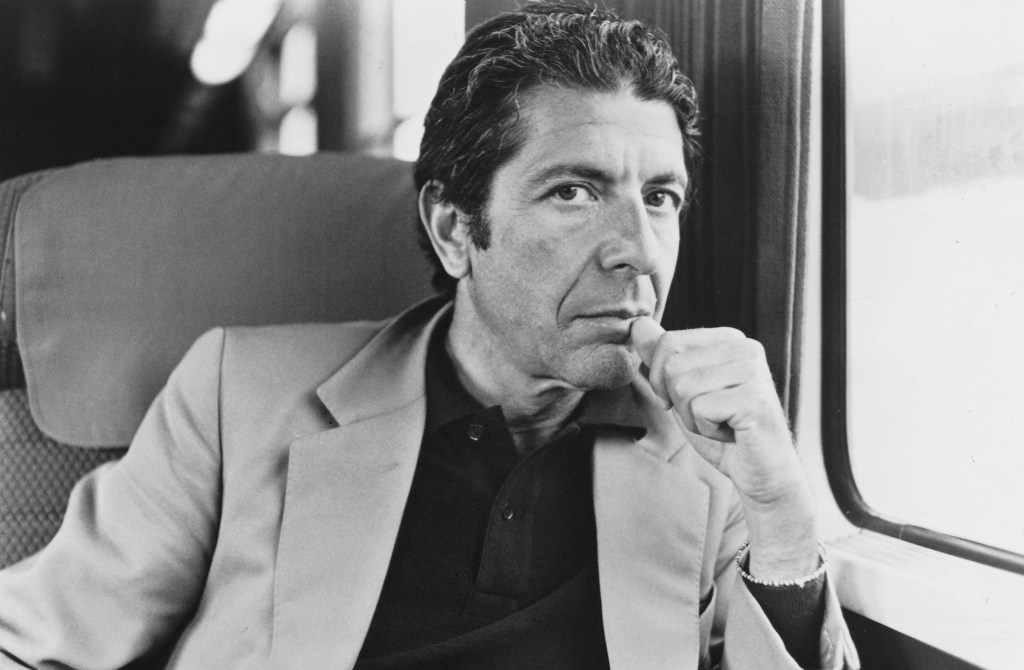
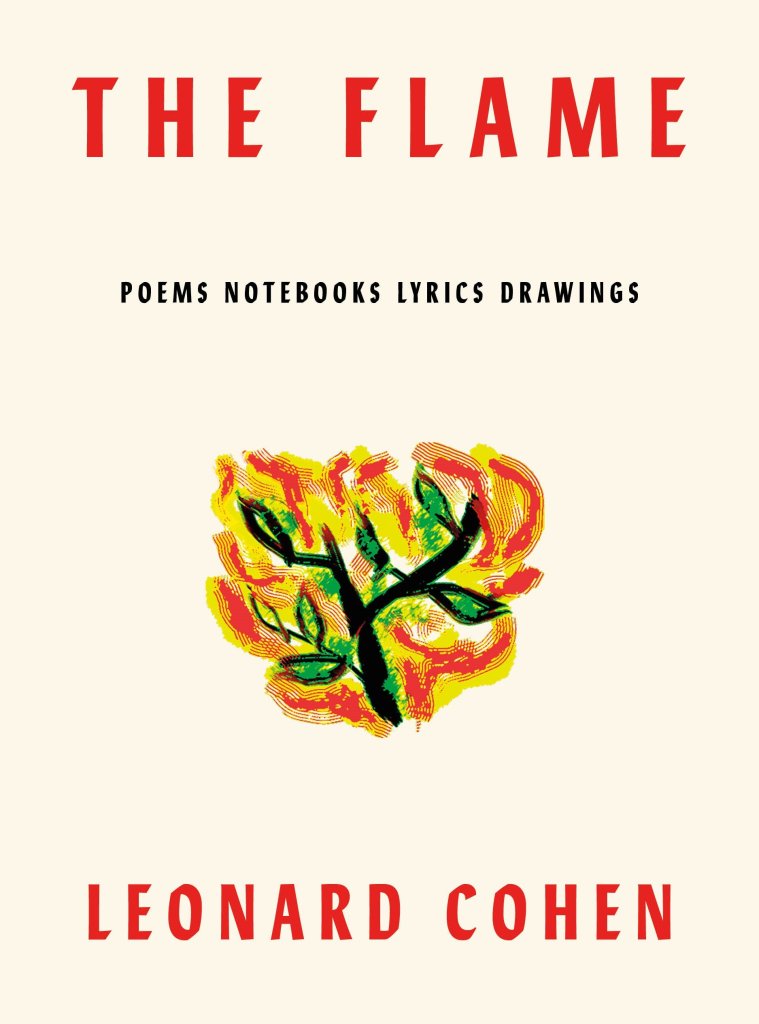

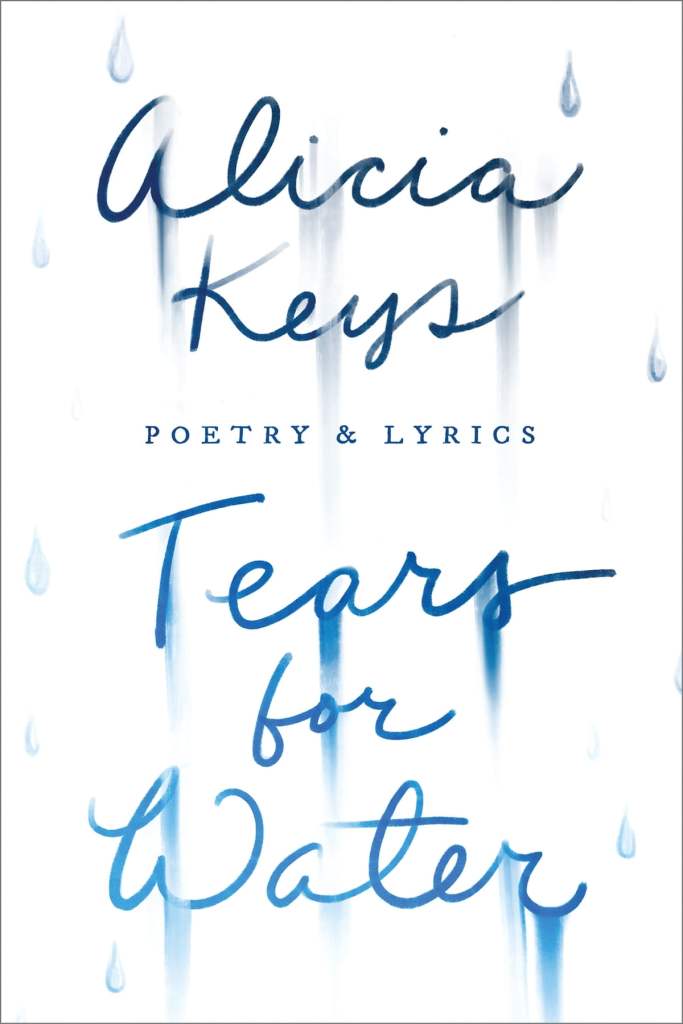
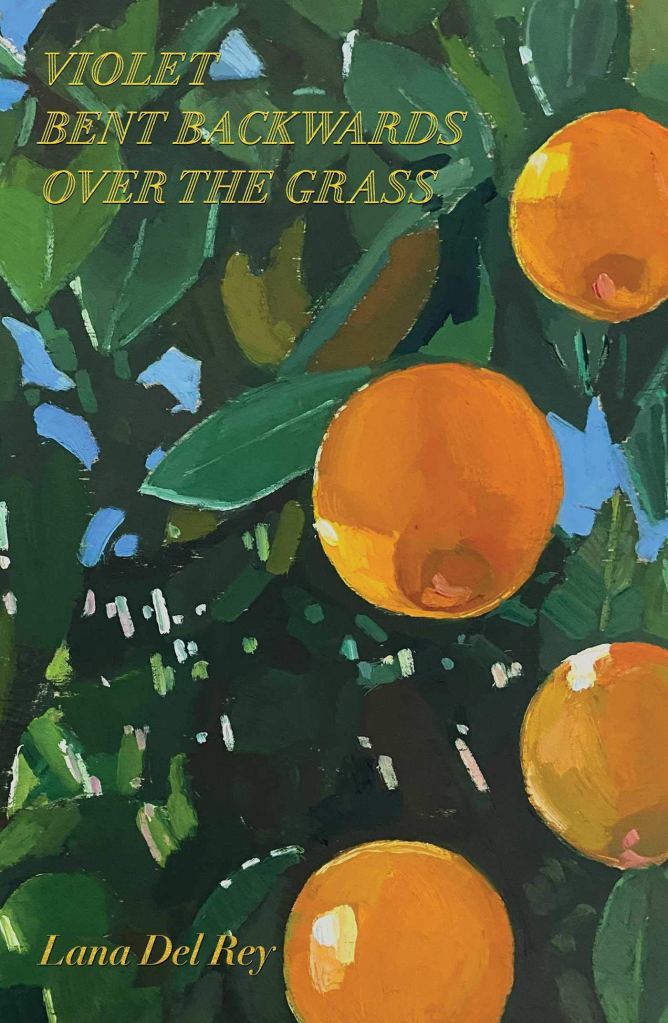
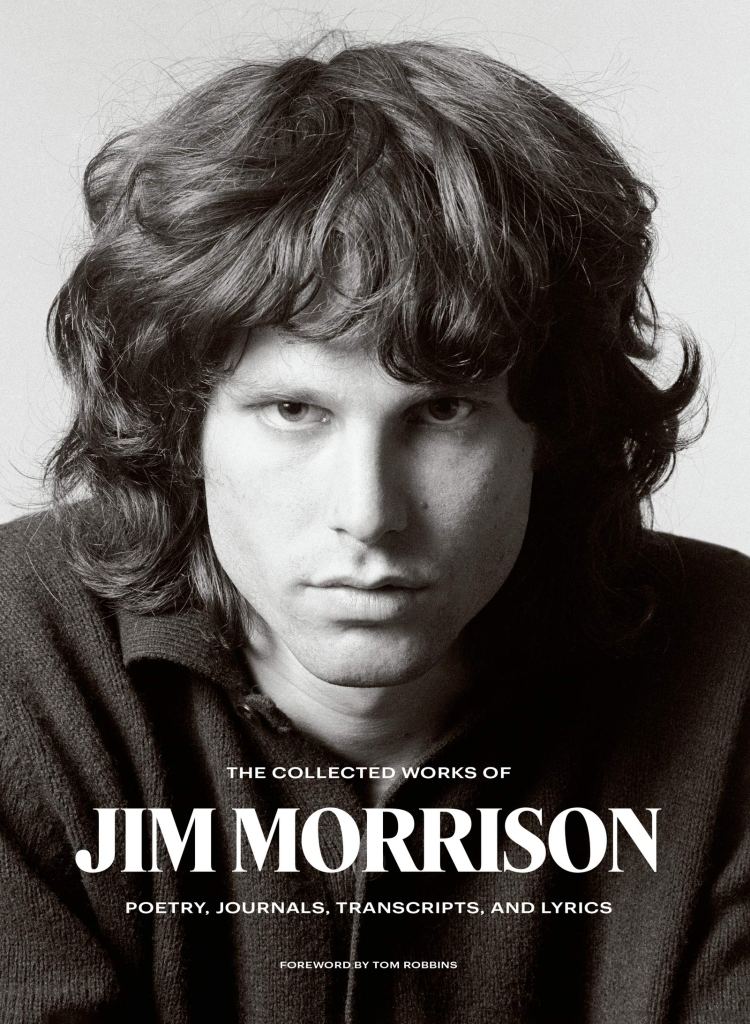

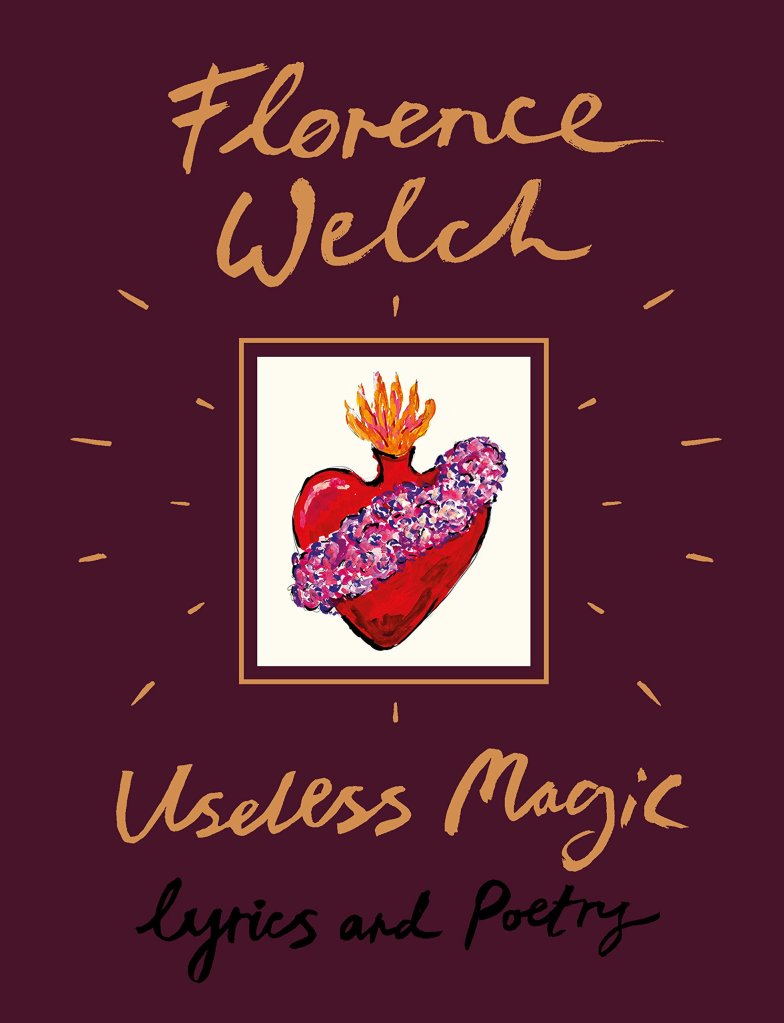
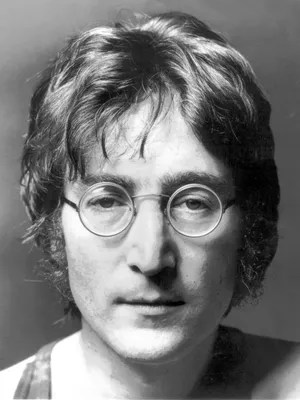
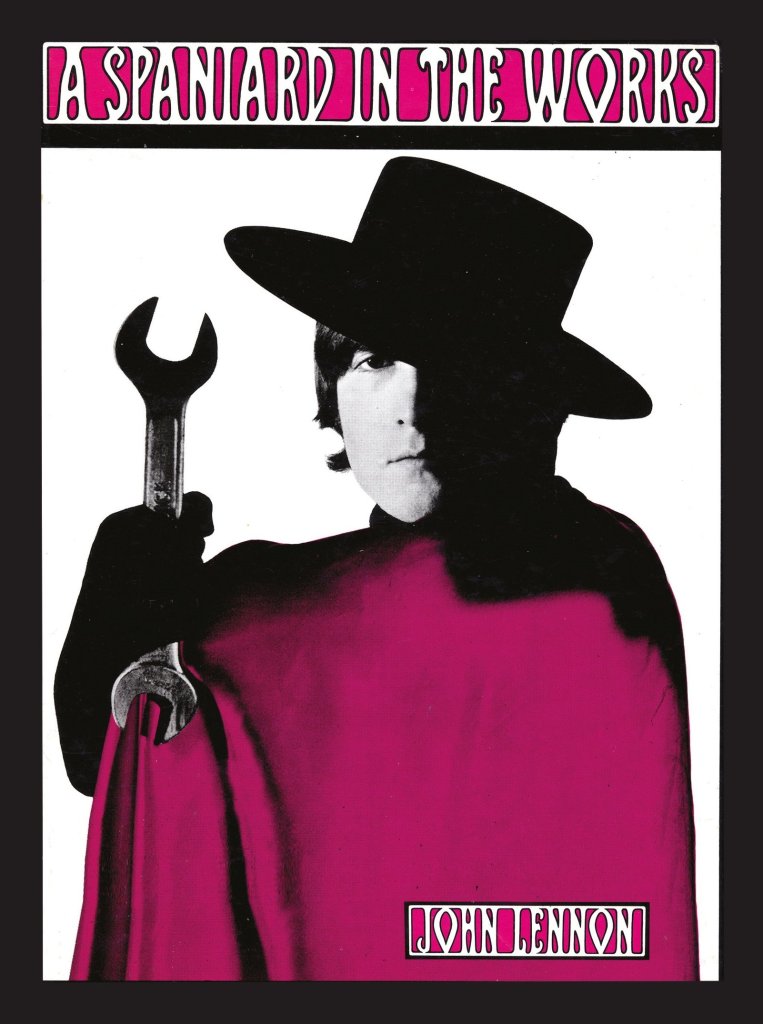
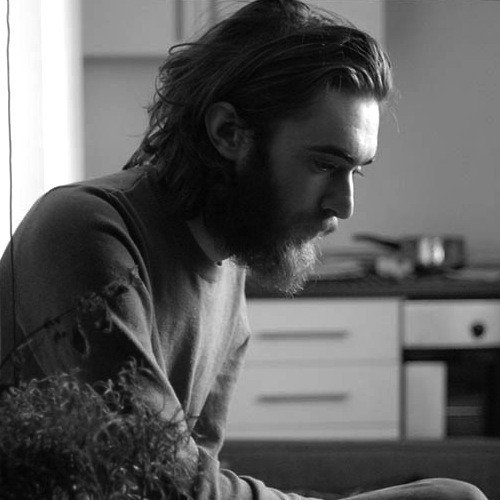
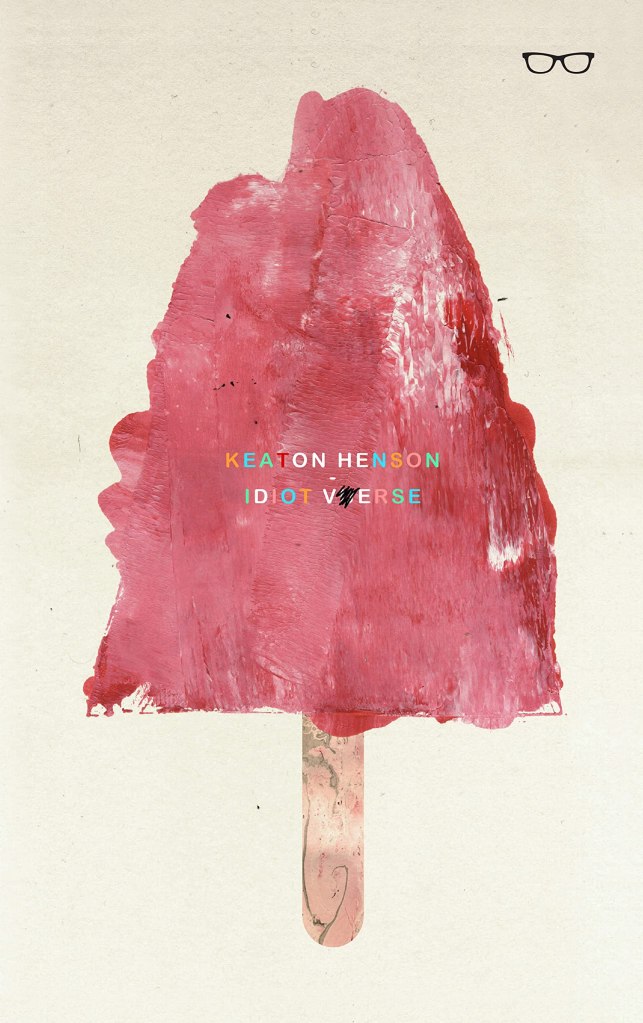
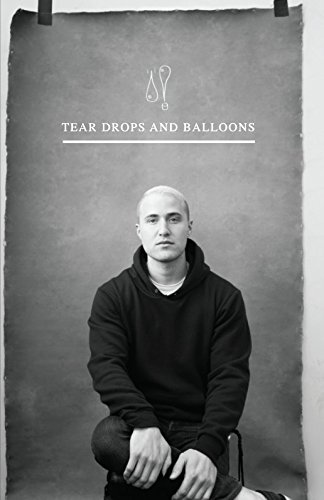
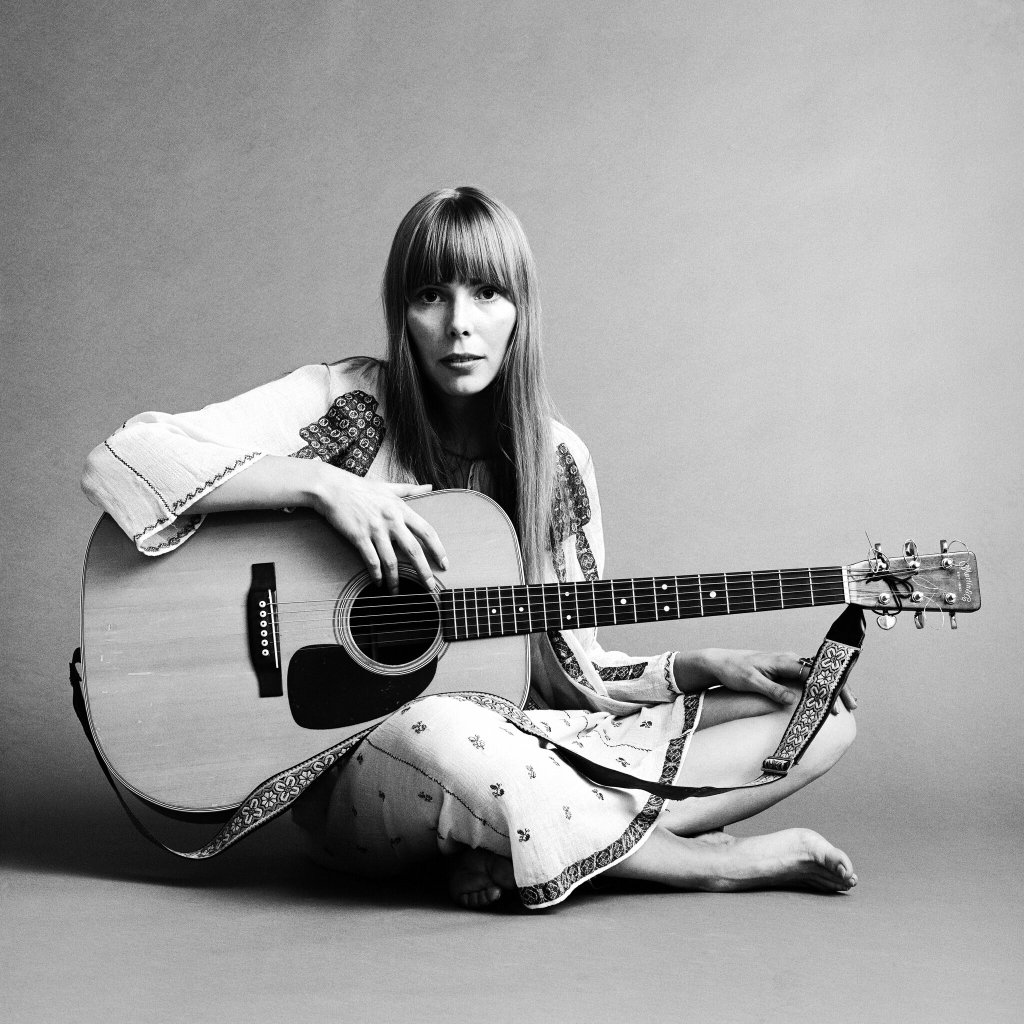
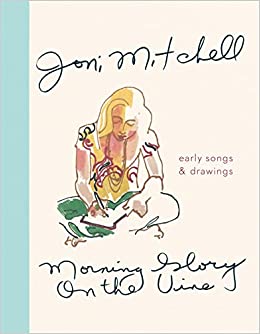
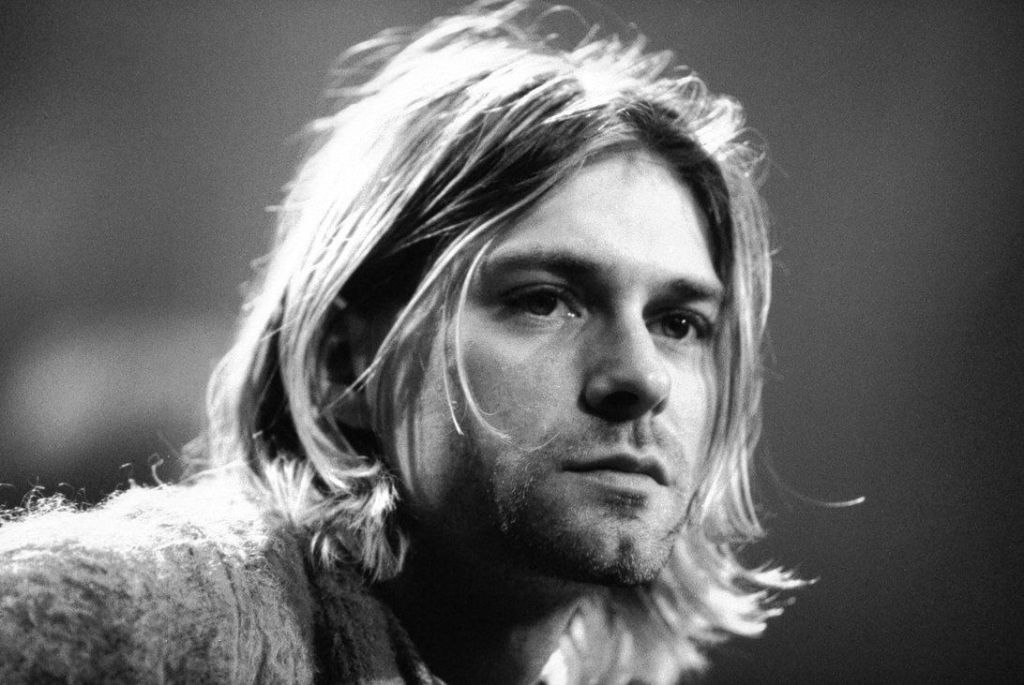
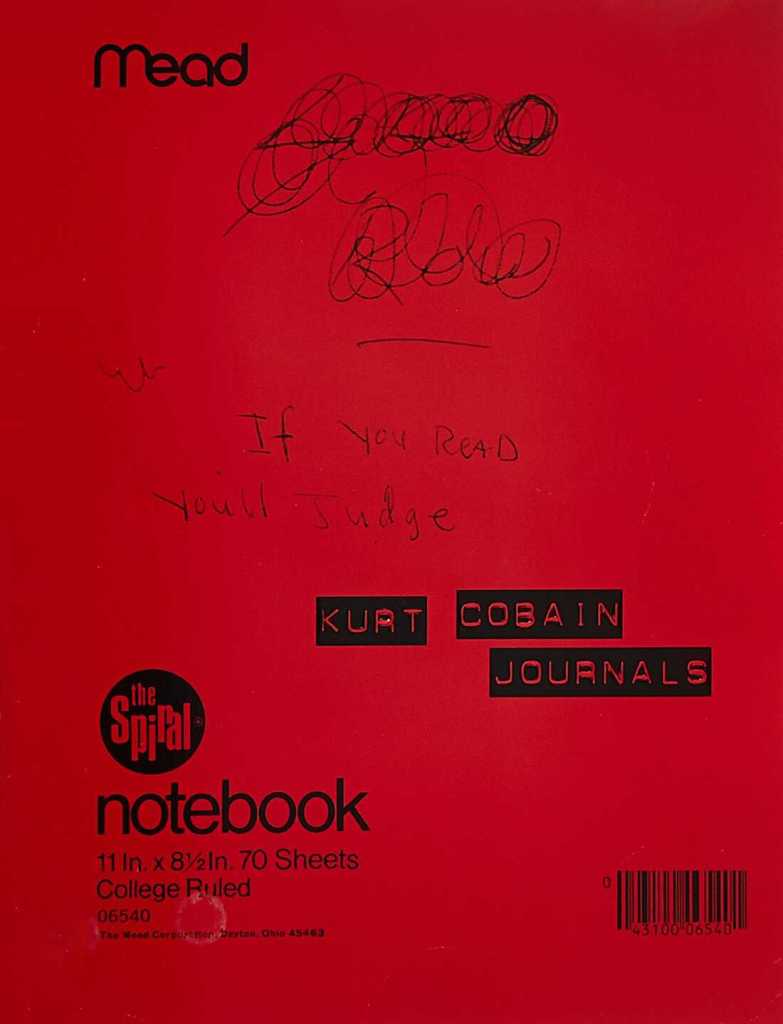


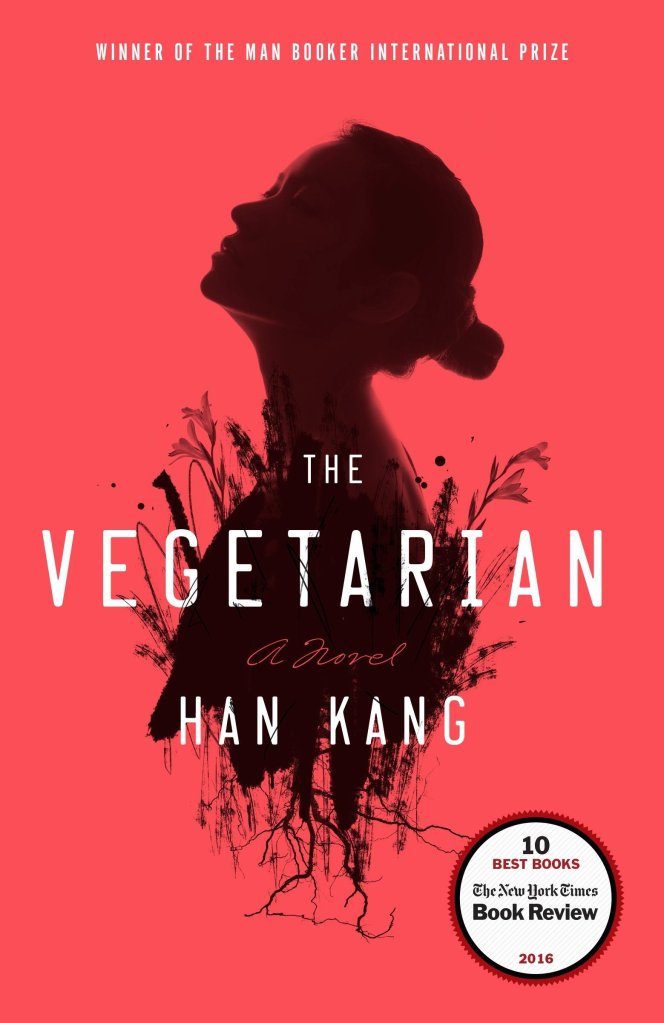
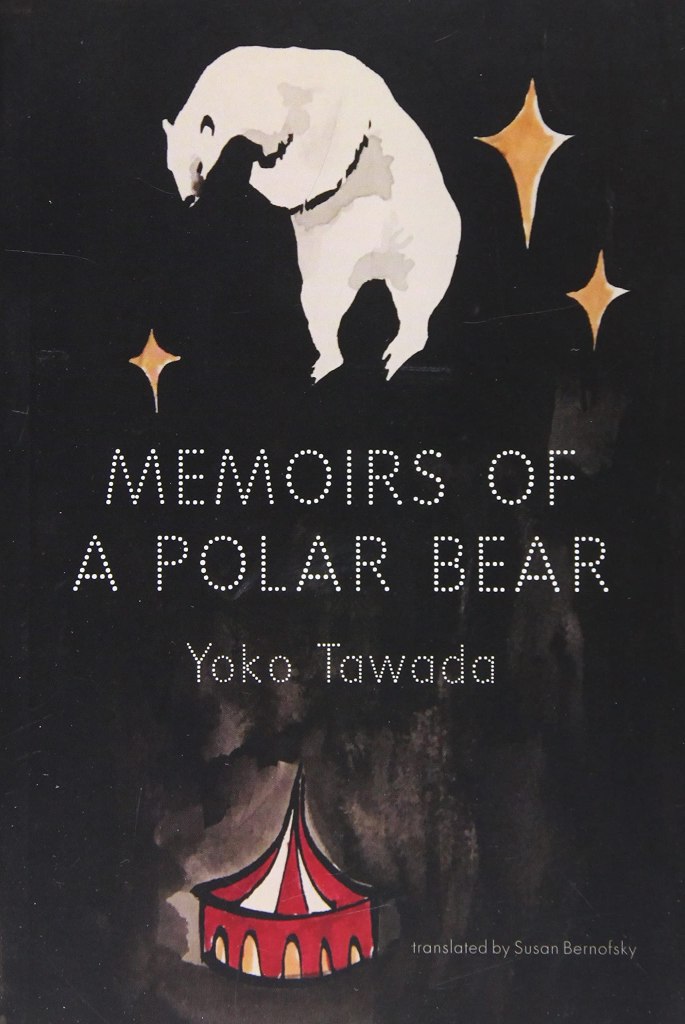


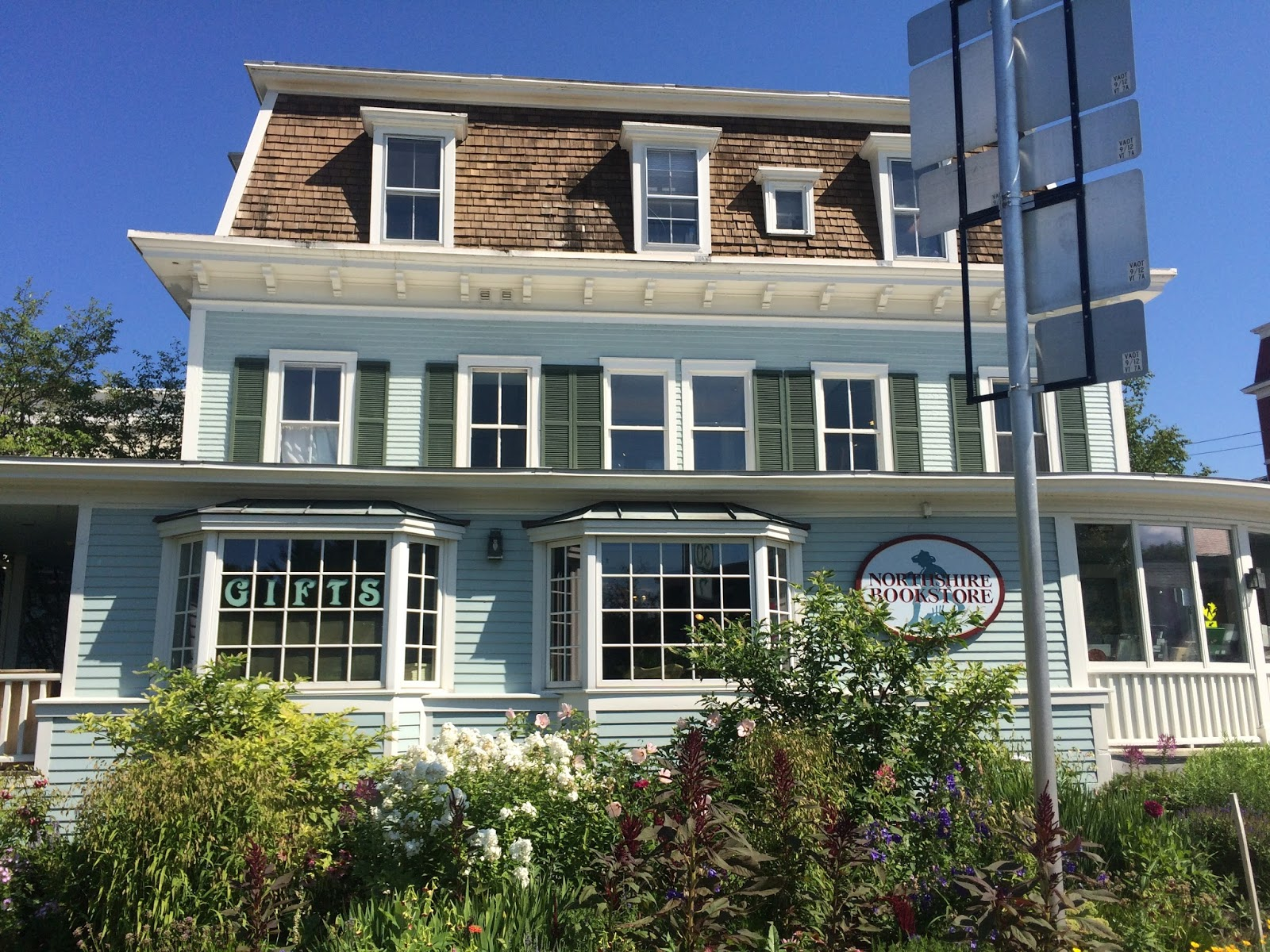
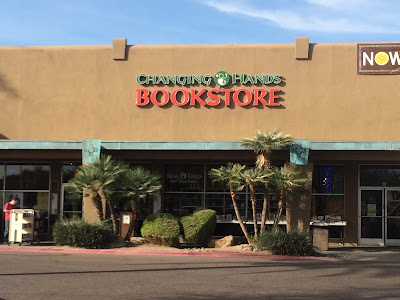
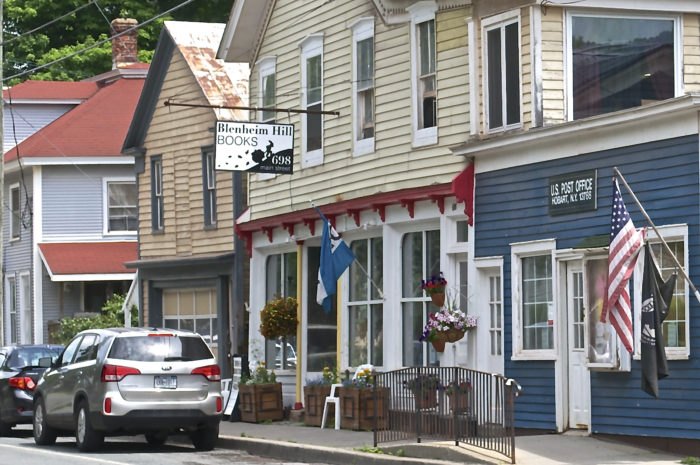
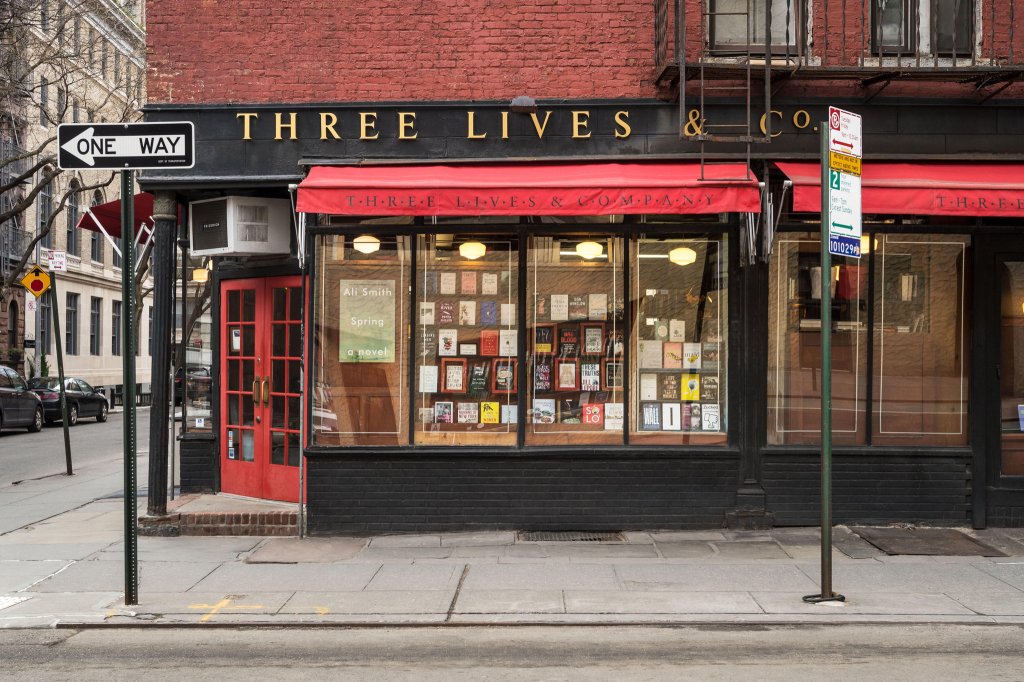
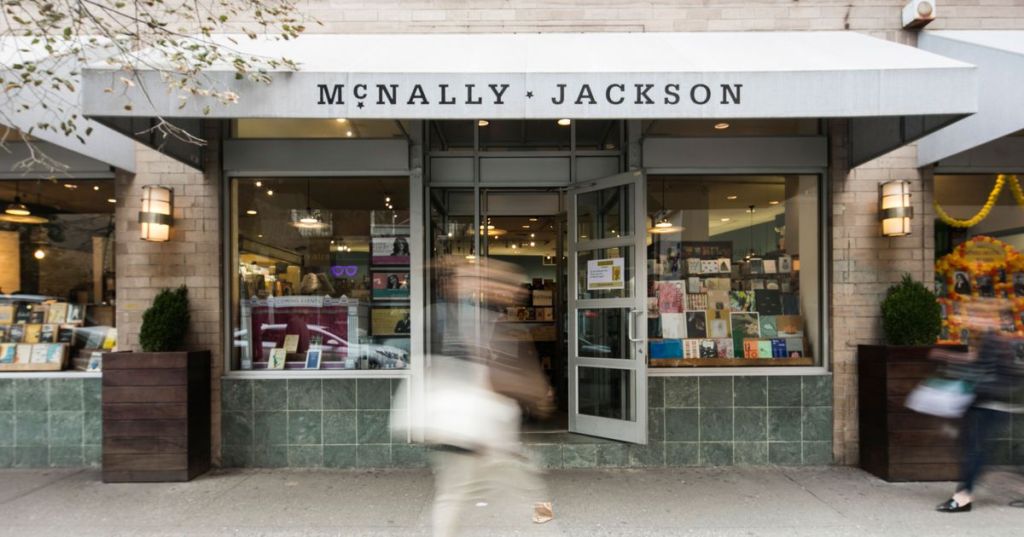
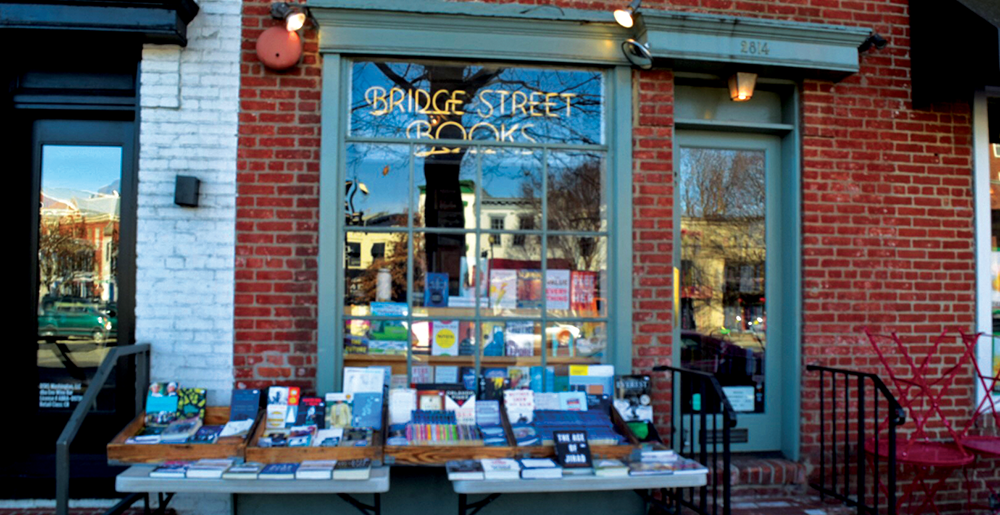
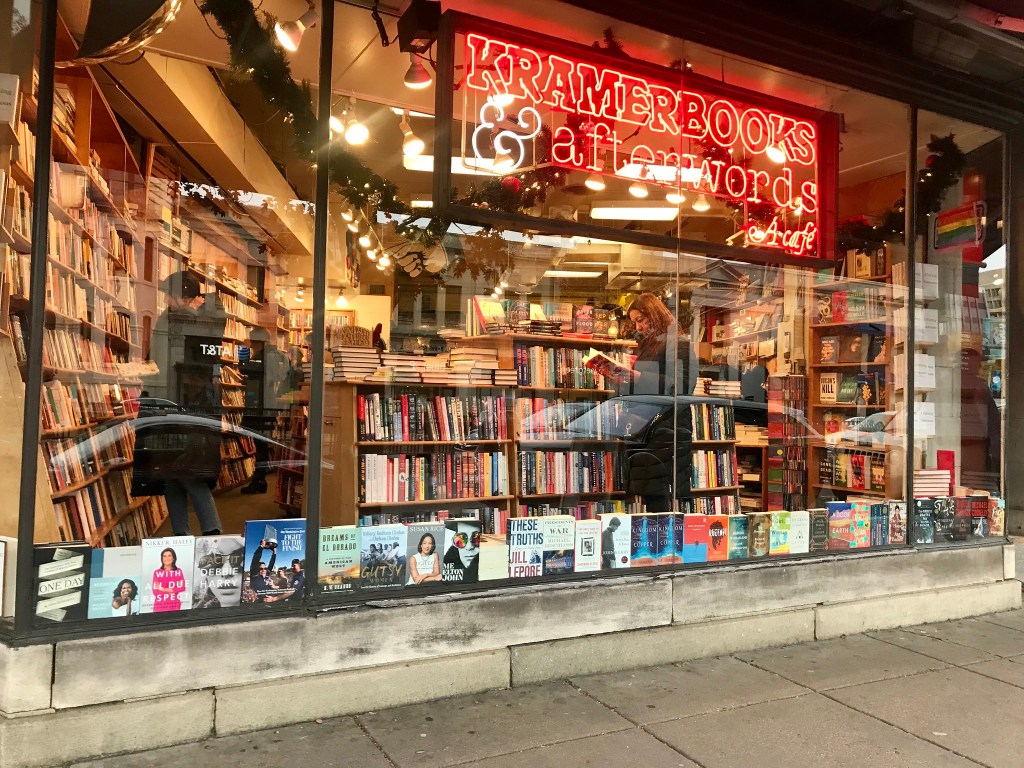

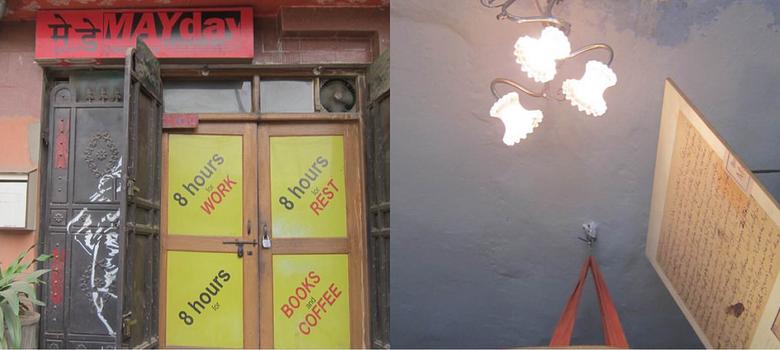
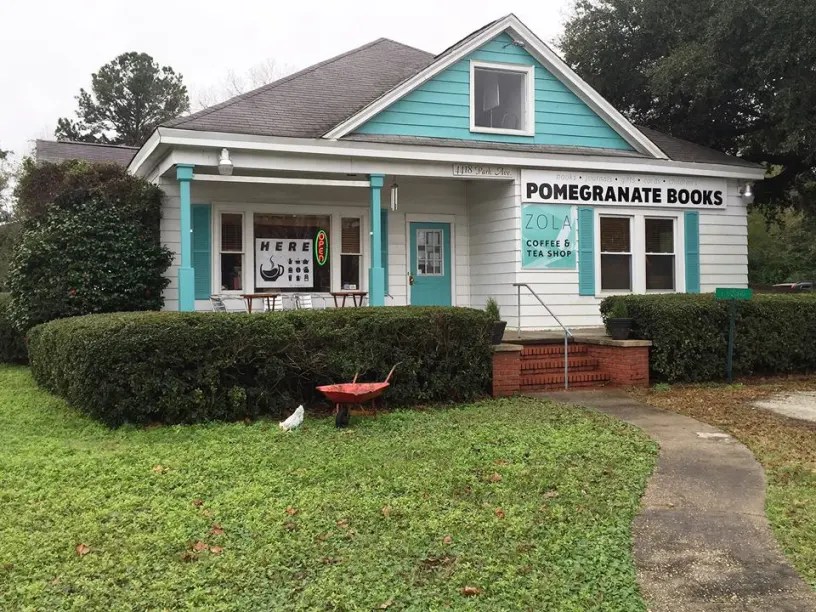
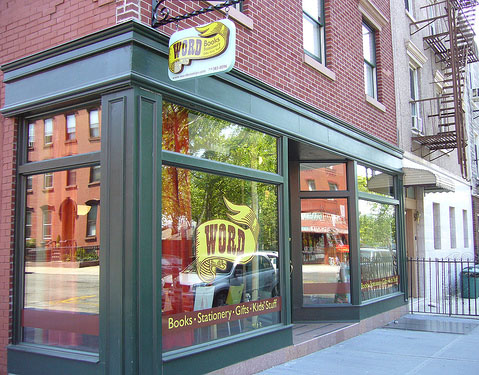
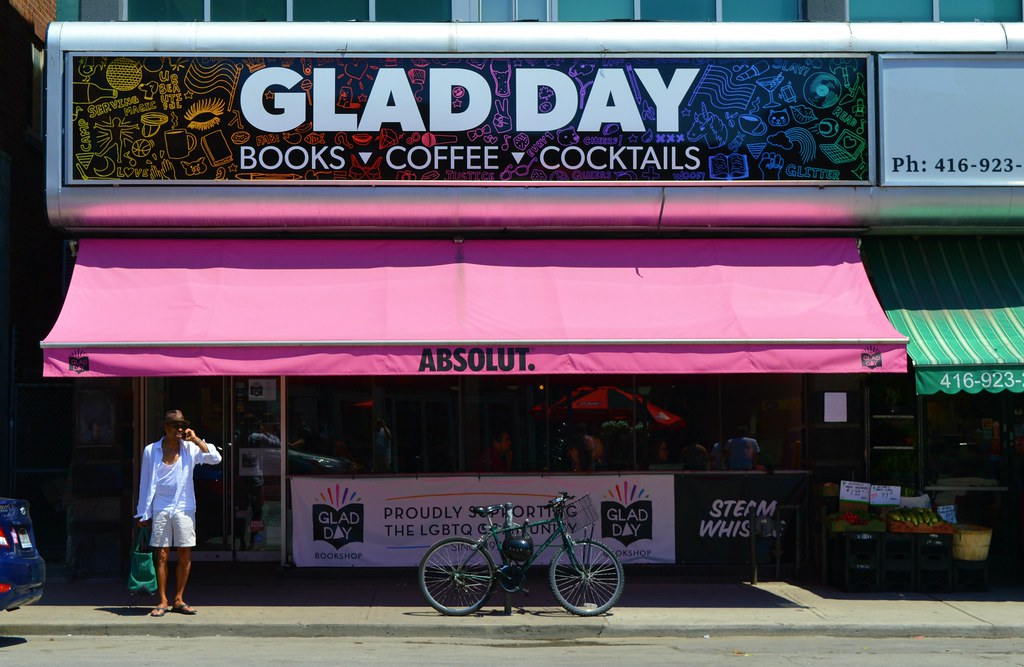
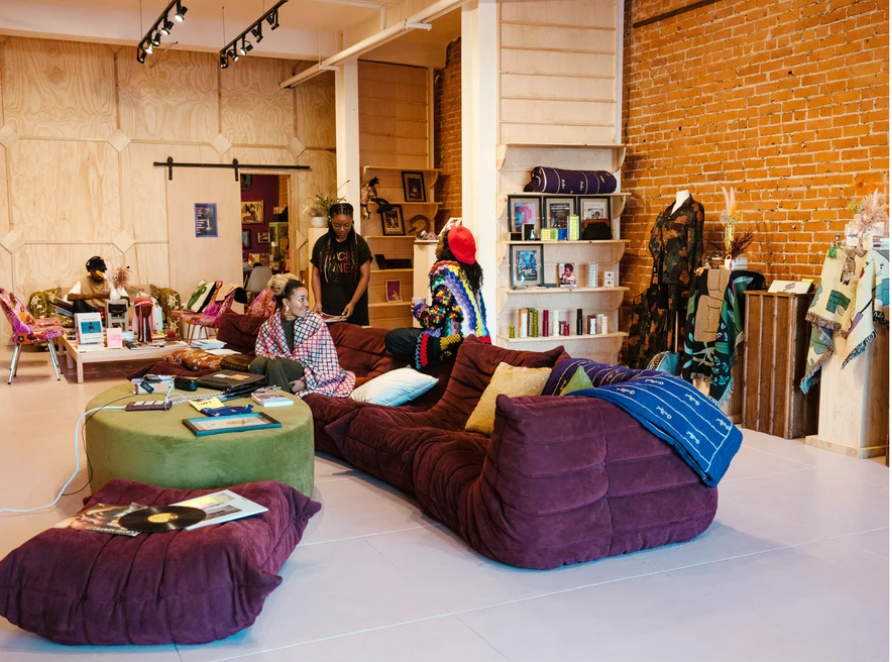
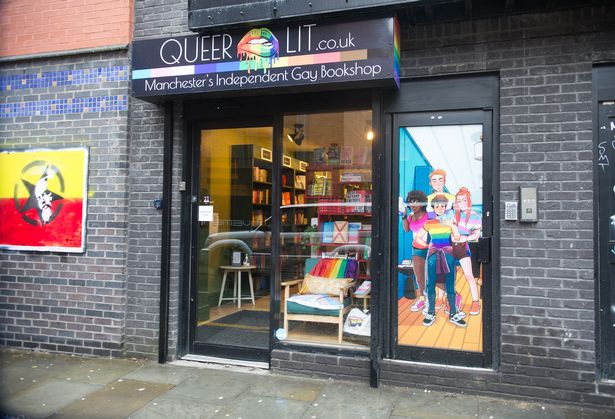
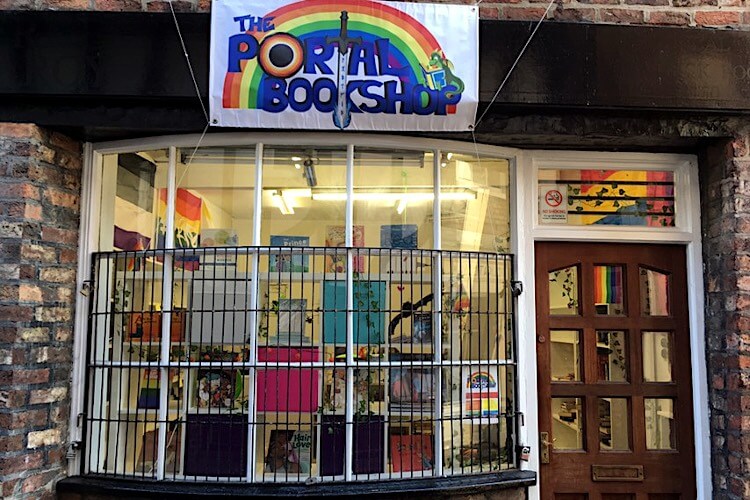
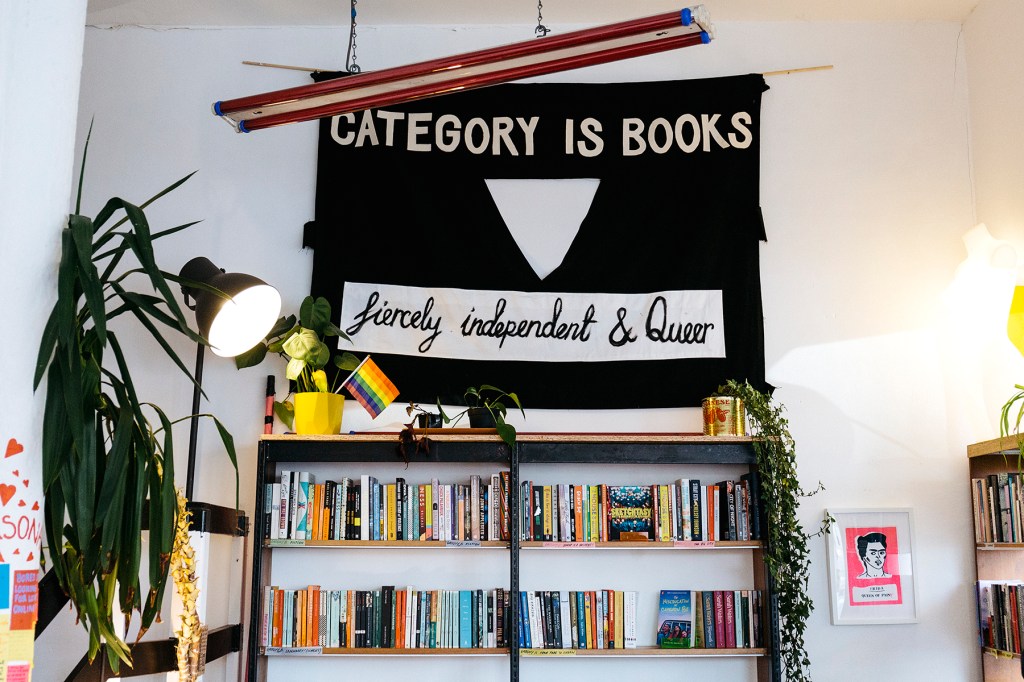
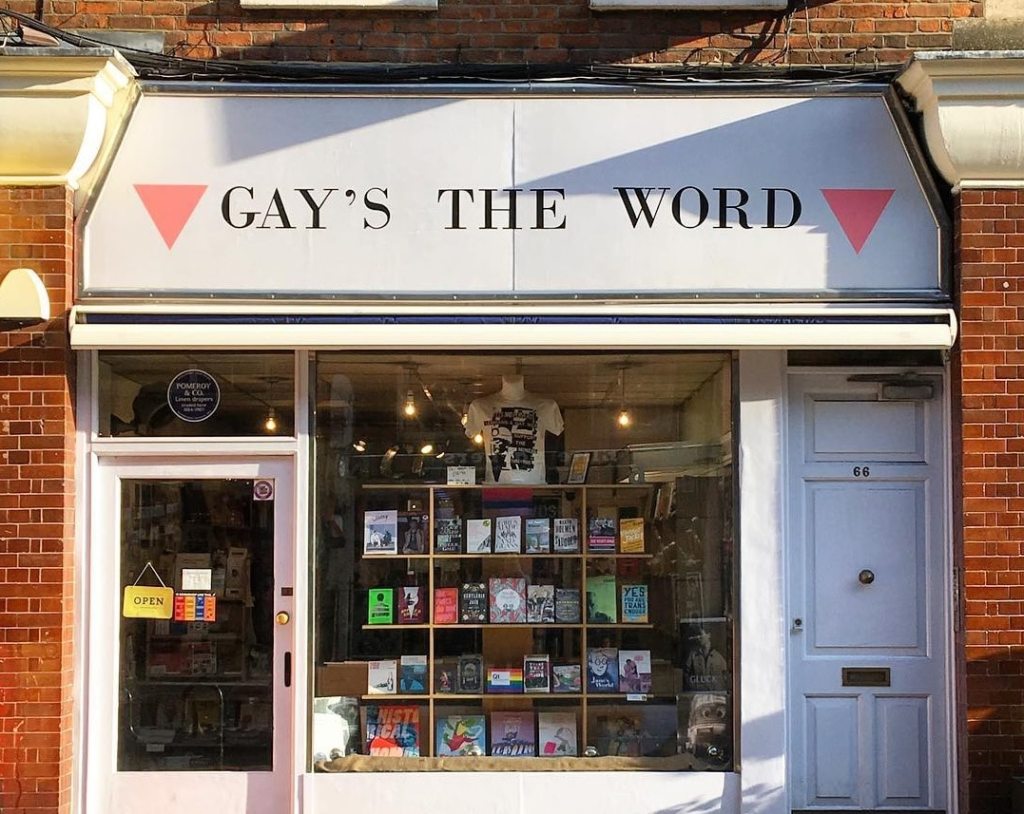
 Inklette Magazine