Interview with Domenico Starnone

TRANSLATED BY DEVANSHI KHETARPAL

Devanshi Khetarpal: When I think of language, I often think of place, and of the place of time. For me, it seems that language is married to both things. In the short story, specifically, what is the element or affect that is the closest to language, according to you?

Domenico Starnone: If I understood your question correctly, I would say that in short prose you have a contraction of space and time, and the language points to an effect of density, as when, at the point of embarking on a journey with three suitcases, we discover that if we choose only the essential, if we arrange it properly, only one suitcase is enough.

DK: I like the expression of journeying you mentioned. It is common to think of reading as a journey. But for me, as an Indian girl in the United States who studies Italian literature, a journey also signifies the abandon of one’s own home. So I usually read every story for the experience that I cannot touch, that is lost, that is abandoned. Every story becomes more about abandoning than journeying. However, I desire to know if you, in fact, think of stories in a similar way?

DS: The story is movement. I move from the point at which I find myself, from the moment that I am living: I go back, forward, before, after. If you decide to re-invoke the world that you left behind, keep in mind that you always do it from the now, from where you find yourself. It is important, because it is here and now that you decide how you want to narrate: with nostalgia, with detachment, with a rebellious tone of clear refusal. Our stories of the past, of the lost, of the abandoned, are always planted in our present. The past travels with us, it does not let itself be abandoned.

DK: I would like to talk about movement in a sense. Because now in Italy, in Europe, in the whole world, xenophobia is a predominant force. It is a force that is opposed to movement, to the stories of movements. But how do you think these stories of different movements, of different aspects of movements from various places of the world, participate in varying political discourses? Do you think they suspend disbelief, in one way or another, of people who do not believe or underestimate the immigration crises or their burdens?

DS: The narratives of pain, fatigue, otherness, nostalgia, death on land and at sea can certainly lead to identification. I read a story and thanks to the skill of its writer I feel inside me, in my home, among the few or many comforts with which I live, the reasons that push a growing number of people to migrate to the richest areas of the planet (hunger, poverty, the ravages of war, the hope of a better life, the escape from political or religious persecution). I feel the sentiments of the migrants— despair, fear, humiliation— and I live them as if they were mine, as if they were sentiments my own body feels. A well-made story can surely change my gaze, pushing me to look at the other with other eyes. But can a book today cause walls to fall, preventing new ones from being built? No, if it remains a book. Yes, if the energy released by the story becomes a political action that fights xenophobia and racism.

DK: Certainly. I felt similarly when I read My Brilliant Friend by Elena Ferrante for the first time. For some reason, I still feel that Ferrante has narrated my story, the story of my childhood and adolescence. Sure, it is a bit different, it is also universal, it is a story of Naples and not of Bhopal. I have seen other things, different things. But when I read Ferrante, I felt that some words, some narratives are difficult to read. I already realized, at that point, that some stories are difficult to write, to narrate or translate. But the difficulty and discomfort of reading something, for me, has proved to be more revealing. Is there a book that makes you feel similarly?

DS: The books that move us deeply are not easy to read. Since they put into words parts of our experience that we do not (yet) know to formulate, that we do not want to formulate, that we do not dare to formulate, those books strain us, they give us anxiety, they hurt us. And nevertheless we feel that we can never do without them. To me, around the age of seventeen, ‘Letter to the father’ by Franza Kafka, had such a devastating and electrifying effect.

DK: And what is the book that you find most difficult to teach? Specifically, during our course or during your time in New York, do you find that your thoughts on certain books have changed?

DS: It is difficult to teach reading. Creative writing schools, rightly, have become extremely important. But just as necessary and urgent are schools of ‘creative’ reading.  A story has its full realization only when it encounters a passionate and competent reader, a reader who is not only able to abandon oneself to a story, but is also able to take pleasure in exploring it in order to try to understand the construct. I would therefore say that there is no book that is not difficult if there is no passion for reading, if the passionate reader is not  even a competent reader. Passion is not taught, but a teacher can seek to give birth to it. Competence instead can be taught, schools are purposely made to transmit skills. 

As for my experience here, as a teacher, well, I am an old man, for me it is now difficult to change. But teaching is always a very stimulating activity, it pushes one to reread, to reflect, to confront oneself with those who are younger. It is an activity which I have always loved.

DK:  My last question is this: Do you write to answer or ask or attempt to know something that you don’t know? And when you read any book, how does it become a part of your story?

DS: I write that which I know, but the story becomes interesting only if it captures something that I don’t know or that I don’t know I know. As for books, all of us have our own story of readers, it is made of the texts that have helped us construct ourselves and orient ourselves in the world in which we have fallen. If we write, those books also become the ground on which our vocation is implanted and grows. The problem, however, is to emerge out of the circle of books that we like because they resemble us, because they give to us again and again that which we already know. We need to learn early to look for texts that provide to us what we don’t know, that show us ways of telling which we are not acquainted with. It is the confrontation with others that enriches our life story, in addition to that of readers and writers.


INTERVISTA CON DOMENICO STARNONE

Devanshi Khetarpal: Quando penso di linguaggio, penso spessissimo di posto, e del posto di tempo. Per me, sembra che linguaggio si sposi con tutte due cose. Nel racconto breve, specificamente, qual é l’elemento o l’affetto che é il più vicino del linguaggio, secondo te?

Domenico Starnone: Se ho capito bene la domanda, direi che nella prosa breve hai una contrazione degli spazi e dei tempi e il linguaggio punta a un effetto di densità, come quando, sul punto di metterci in viaggio con tre valigie, scopriamo che se scegliamo solo l’essenziale, se lo sistemiamo per bene, è sufficiente una valigia sola.

DK: Mi piace l’espressione di viaggiare che hai menzionato. È comune di pensare dell’azione di leggere come un viaggio. Ma per me, come una ragazza Indiana negli Stati Uniti che studia letteratura italiana, un viaggio significa anche il abbandono della casa propria. Quindi di solito leggo ogni storia per l’esperienza che non posso toccare, che è perso, che è abbandonato. Ogni storia diventa più di abbandonare che di viaggiare. Però, desidero di sapere se pensi dei racconti in modo simile affatto?

DS: Il racconto è movimento. Mi muovo dal  punto in cui mi trovo, dal  momento che sto vivendo: vado indietro, avanti, prima, dopo. Se decidi di rievocare il mondo che ti sei lasciata alle spalle, tieni conto che lo fai sempre a partire da adesso, da dove ti trovi. E’ importante, perché è qui e ora che tu decidi come vuoi raccontare: con nostalgia, con distacco, con un tono ribelle di netto rifiuto. I nostri racconti del passato, del perduto, dell’abbandonato, sono sempre piantati nel nostro presente. Il passato viaggia con noi, non si fa abbandonare.

DK: Vorrei parlare di movimento in un senso. Perché ora nell’Italia, nell’Europea, nel tutto del mondo, xenofobia è una forza predominante. È una forza che opposto a movimento, ai racconti di movimenti. Ma come pensi che questi racconti di movimenti diversi, di diversi aspetti di movimenti da diversi luoghi del mondo participano nelle vari discorsi politici? Pensi che loro sospendono incredulità,  in un modo o l’altro, di persone che non credono o sottostimano crisi immigrazione o i loro pesi?

DS: Le narrazioni dei dolori, delle fatiche, del disadattamento, delle nostalgie, della morte per terra e per mare può  indurre  certo  all’immedesimazione. Io leggo un racconto  e grazie alla bravura di chi l’ha scritto sento dentro di me, nella mia casa, tra i pochi o i molti agi con cui vivo,  le ragioni che spingono un numero crescente di persone a migrare verso le aree più ricche del pianeta (la fame, la miseria, le devastazioni della guerra, la speranza di una vita migliore, la fuga da persecuzioni politiche o religiose). Avverto i sentiment del migranti – disperazione, paura, umiliazione –  e li vivo come se fossero miei, sentimenti che prova il mio stesso corpo. Un racconto ben fatto può sicuramente cambiare il mio sguardo, spingermi a guardare l’altro con altri occhi. Ma un libro oggi può far cadere i muri,  impedire che se ne costruiscano sempre di nuovi? No, se resta un libro. Sì, se l’energia sprigionata dal racconto diventa azione politica che combatte xenofobia e razzismo.   

DK: Certamente. Sentivo similmente quando ho letto ‘L’amica geniale’ da Elena Ferrante per la prima volta. Per qualche ragione, sento ancora che Ferrante abbia raccontato mia storia, la storia della mia infanzia e adolescenza. Certo, è un po’ diverso, è universale anche, è una storia di Napoli e non di Bhopal. Ho visto altre cose, diverse cose. Ma quando ho letto Ferrante, sentivo che qualche parole, qualche narrativi è difficile di leggere. Avevo già realizzato, a quel punto, che qualche storie sono difficile di scrivere, di raccontare o tradurre. Ma la difficoltà e il disagio di leggere qualcosa, per me, ha provato di essere più rivelatore. C’è un libro che ti faccia sentire similmente?

DS: I libri che ci colpiscono in profondità non sono facili da leggere. Poiché mettono in parole  cose della nostra esperienza che noi non sappiamo (ancora) formulare, non vogliamo formulare, non osiamo formulare, quei libri ci affaticano, ci mettono ansia, ci fanno male. E tuttavia sentiamo che non ne potremo mai più fare a meno. A me, intorno ai diciassette anni, fece un effetto tanto devastante quanto elettrizzante ‘Lettera al padre’ di Franz Kafka.

DK: E qual è il libro che trovi il più difficile di insegnare? Specificamente, durante il nostro corso o il tuo tempo a Nuovo York, trovi che i tuoi pensieri di libri specifici hanno cambiato?

DS: E’ difficile insegnare a leggere. Sono diventate importantissime, giustamente, le scuole di scrittura creativa. Ma altrettanto necessarie e urgenti sono le scuole di lettura ‘creativa’. Un racconto ha la sua piena realizzazione solo quando incontra un lettore appassionato e  competente, un lettore che sia in grado non solo di abbandonarsi a una storia, ma di provare piacere a esplorarla per cercare di capirne il congegno. Direi quindi che non c’è libro che non sia difficile, se non c’è passione per la lettura, se il lettore appassionato non è anche un lettore competente. La passione non si insegna, ma un insegnante può cercare di farla nascere. La competenza invece la si può insegnare, le scuole sono fatte apposta per trasmettere competenze.

Quanto alla mia esperienza qui, come docente, mah, sono un uomo anziano, per me ormai è difficile cambiare. Ma insegnare è sempre un’attività molto stimolante, spinge a rileggere, a riflettere, a confrontarsi con i più giovani. E’ un’attività che ho sempre amato.

DK: La mia ultima domanda è questo: Scrivi a rispondere o chiedere o provare di sapere qualcosa che non sai? E quando leggi qualsiasi libro, come lo diventa una parte della tua storia?

DS: Scrivo quello che so, ma il racconto diventa interessante solo se cattura qualcosa che non so o che non so di sapere. Quanto ai libri, abbiamo tutti una nostra storia di lettori, è fatta dei testi che ci hanno aiutato a costruire noi stessi e a orientarci nel mondo in cui siamo precipitati. Se po scriviamo, quei libri diventano anche il terreno su cui si impianta e cresce la nostra vocazione. Il problema però è uscire poi fuori dal cerchio dei libri che ci piacciono perché ci assomigliano, perché ci danno ancora e ancora ciò che già sappiamo. Bisogna imparare presto  a cercare testi che ci diano ciò che non sappiamo, che ci mostrino modi di raccontare che non conosciamo. E’ il confronto con gli altri che arricchisce la nostra storia di vita, oltre che di lettori e scrittori.

155876879487664518.gifDOMENICO STARNONE is an Italian writer, journalist and screenwriter, His books, Tie(Europa Editions, 2017) and Trick (Europa Editions, 2018), were translated into English by Jhumpa Lahiri. Trick was a finalist for the 2018 National Book Award in Translated Literature. Starnone’s book, Via Gemito, won the Strega, Italy’s most prestigious literary award, in 2001. He was born in Naples and lives in Rome.
Interview with Mihir Vatsa

Our Blog Editors interviewed Mihir Vatsa, an Indian poet and the editor of Vayavya, for this week’s blog. In this interview, we ask him about the practice of writing and the habits that pertain to it in some way or another. We also ask Mihir about not only staying committed to writing, but also staying committed to writing about Hazaribagh.


Blog Editors: Ernest Hemingway wrote first thing in the morning. Maya Angelou reserved hotel rooms just to write. Stephen King forced himself to write six pages every day. Susan Sontag instructed people when not to call. Have you developed any specific methods for writing?

Mihir Vatsa: I wish I could reserve hotel rooms to write. Someday, perhaps, I will. I usually write at night– the darkness sorts relevance from distraction. When I am writing to meet a deadline, I set a target. With prose, it is thousand words. Poetry is more malleable that way– just three lines could be a poem too, as long as they are good three lines. I am more relaxed with poetry, less so with prose. The latter demands some discipline, I have learned recently.  

BE: Do you journal? And how well do you work with or meet deadlines?

MV: Unfortunately, no, I don’t maintain a journal. I do have some romantic affinity towards the process though, and I like to hear stories that involve journal writing. I have tried it before, but have stopped midway. Trivial things begin to annoy me– is the notebook cover journalish enough, what if I wrote something and someone read it, if I am doing it on my PC then what should be the password, do I really want it personal or do I secretly want it read? I think of these clearly pressing thoughts and defer it.

I think I can work with deadlines, though I procrastinate a lot. So if the deadline is tomorrow, I would get working today, not sleeping, not eating, a bit possessed. It’s not a healthy practice for a writer, but then writers are not really known for their exemplary health.

BE:Do you outline ideas before or do you let the form teach you what kind of story you are writing?

MV: I do outline, but mostly in mind. I prefer having some ideas, some thoughts about what I should write once I start the computer. Often a poem is left hanging for a few days: one stanza emerges, then there is the wait, then another line comes up. When I am not writing, I am working with collages– cut here, paste there. When I think I have enough to go with, I start typing. With longer poems, I take it slow, filling in the blanks first, then tying the content up as the form suggests. With prose, and especially essays, I have found that it’s helpful to have some pointers beforehand, a road map, on how to progress from one thought to the other without jarring the flow.  

BE: What do you do when you become stuck while writing?

MV: If the deadline is far, I give in to the block. I switch to Netflix or Youtube, or take up a book which I had been meaning to read. You can only watch something for so long. When saturation hits, writing becomes a needed retreat. Sometimes I get stuck because I don’t want to put an idea into a form that I have already done before. Then, reading helps. I go to the internet and read whatever poetry I can find, preferably by poets who are alive. That way, I get to see what other poets in the world are doing, how they are managing language, how they are working with form, and so on. The last time I got stuck, the deadline was close. So I ordered a book and told myself not to touch it before I finished writing. It kind of worked.

BE: How do you stay committed to Hazaribagh? Is there a different lens or observation you require in order to practice the writing of something so close when you want it to reach far?

MV: This is a really good question, actually. My upcoming book A Highland in the East (Speaking Tiger Books 2019) is a memoir about living and travelling in the Hazaribagh plateau, and though I had a great time writing it, I was also often conflicted about my loyalty to Hazaribagh. I am not talking about the town per se– Hazaribagh is like any other small Indian town. It has its half-finished buildings with exposed brickwork, it has its temples and mosques and narrow streets. Somehow these things haven’t appealed to me yet. I am more attached to Hazaribagh’s landscape. Therefore, the hills, the trees, the rivers, etc are my points of affect. I remember, this one time, my friend Raza Kazmi and I were staying for a few days at Palamu Tiger Reserve in Latehar. The place is about a six-hour drive from Hazaribagh. There, I was surrounded by taller hills, denser forests, reliable waterfalls, and it made me sad. What if I outgrow Hazaribagh? “You can be committed to Hazaribagh and still enjoy Palamu,” Raza said something along this line, and though I understood him, I was still uncertain. What I fear is that one day there will be nothing wonderful about Hazaribagh for me. No waterfall will excite me. Been there, done that– that kind of boredom, you know, and so I try to modify perspectives. There is a lot in Hazaribagh, things that I still don’t know, so maybe one day I will enjoy the roads, or the history, or engage with the place in a more direct, participatory way. At the moment, I am gripped by the plateau; later, it might be some other aspect of the town.

Perception is universal– the way I perceive Hazaribagh may be similar or different to people who perceive other places, but the act is not uniquely mine. As writers, we work in and with shared cultures, so I think while Hazaribagh may be a little-known, “niche” place to write about, the things I feel when I am in Hazaribagh do resonate with people outside. When I post a photo of a hill range and see the reactions on it, I know I am doing something right. I try to understand the relevance of Hazaribagh for other people, and this is a conjecture at best, but I think that in Hazaribagh, I work through a dual-gaze. I am both an insider and the outsider, insider to the town, outsider to the plateau. When I look for information on, say, how the lake came about, or how the hill was fashioned earlier to appear the way it does now, I am being a hopeless local historian; on the other hand, when I venture into the forest, trailing a stream and not knowing where it would take me, I feel more like a tourist. Perhaps this duality works, though I am not sure yet.

BE: Do you think your editorial practice, or editorial ethics, have impacted your practice as a writer?

MV: Maybe? I don’t really know. Earlier I used to get irritated at the long wait to get a response, but as someone who has also been on the other side of things, I realise now that such delays happen, especially if you are working as a small, un- or underpaid team. One thing that I loved doing as an editor was to really edit– and not just select– a poem for publication, you know, the old-fashioned way. I would chance upon a poem which was almost ready, except that it didn’t work in some parts and patches. Whenever it was the case, I offered detailed feedback, putting the ball in the poet’s court. Here is what I think. If you agree, we can go ahead with the publication. With my own writing too, I am not averse to feedback or revision. I appreciate it if someone devotes a chunk of their time to offer comments on my work. This is something that I cherish with respect to writing, mine or someone else’s.


155727205559673739MIHIR VATSA is the author of the poetry collections Painting That Red Circle White (Authors Press 2014) and Wingman (Aainanagar & Vayavya 2017). A former Charles Wallace Fellow of Writing at University of Stirling, UK, Mihir is the winner of Srinivas Rayaprol Poetry Prize and a Toto Funds the Arts Award in Writing. Mihir lives in the plateau-town of Hazaribagh, India, where he works across the disciplines of literature, writing and human geography.
Staff Recommendations: Short Stories

If you happen to be looking for some good reads to browse through as the days lengthen, perhaps on your porch or at the beach, look no further. The Inklette team has compiled a list of beloved short stories and short story collections for you to peruse at your leisure.

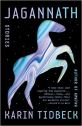
  1. Jagannath (Karin Tidbeck)

51R2HDz9hfL._SX322_BO1,204,203,200_

This collection of short stories, covering narratives from people falling in love with machines to a girl following vittra in the woods, explores how disorienting, beautiful, and downright absurd our reality is when observed through different lenses. I’d recommend this collection to anyone interested in science fiction and fantasy with an intimate streak of psychological realism.  

–Joanna Cleary, Blog Editor  


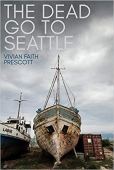
  1. The Dead Go to Seattle (Vivian Faith Prescott)

511wRxVnmzL._SX331_BO1,204,203,200_This collection is made up of 43 linked stories that take place in Wrangell, Alaska and are told by a young woman named Tova. Through the stories Tove tells, she reveals elements of herself, her hometown, the people with whom she grew up, the history and even the myths from her small town. I’d recommend this collection to anyone who loves stories centered around place and how place shapes identity, and to anyone who loves cultural mythology.   
–Lisa Stice, Poetry Editor


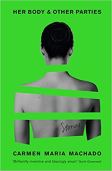
  1. Her Body and Other Parties (Carmen Maria Machado)

41N7lsvNg2L._SX323_BO1,204,203,200_Women begin to physically fade away during the Great Recession. Bodies respond to weight loss attempts in a terrifying manner. In this collection, readers will find stories that combine horror, fairy tales, queer love, and all manner of darkness and light. Machado’s writing defies categorization, and her deft exploration of the meaning of women’s bodies through gorgeous prose will appeal to fans of Neil Gaiman and Helen Oyeyemi.
–Sophie Panzer, Prose Editor


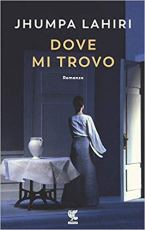
  1. Dove mi trovo (Jhumpa Lahiri)

411j4O8mOvL._SX312_BO1,204,203,200_.jpgThis might seem like a strange choice. Lahiri’s second book written in Italian is a romanzo, a novel. But every chapter of the books reads like a short story, a very short story story, and some chapters even read like microfiction. Although only available in Italian currently, the book is extremely different from anything Lahiri has ever written. There is something dialogic about her work– the way the narrator speaks with isolation, the isolation of places around her and the isolation of time. Everything is fused closely within the scope of her minute, razor-edged words, and yet everything seems dispersed. The close of every chapter leaves you with a gasp. Instead of folding close, every chapter folds in on itself as most endings in the form of the short story do.
–Devanshi Khetarpal, Editor-in-Chief


  1. Dreaming of Ramadi in Detroit (Aisha Sabatini Sloan)

513CkfAho0L._SX311_BO1,204,203,200_Race, sexuality, youth, memory, family, art, violence, pop culture and more all intersect in Sloan’s collection of essays. All twelve pieces read as separate stories within the continuum of her life. Sloan plays with form, teaching the reader how to read the page which shape-shifts throughout each story. Somehow we find intimacy in the moments of ambiguity and concern in her profound critique over what it means to be a living, breathing, complex human of right now.
–Maria Prudente, Blog Editor


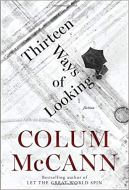
  1. Thirteen Ways of Looking (Colum McCann)

51jkI9h7e1L._SX336_BO1,204,203,200_McCann’s novella-length piece, the first narrative in his eponymous collection of tales about empathy, is, at heart, an experimental inspection of male aging. Peter Mendelssohn’s story of growing old is elegantly woven into a detective frame and contemplates the many losses that old age provokes. It’s an angry piece that reeks of bodily inabilities and slow decay—but reads as a poetic exploration of words, language, and life. McCann’s story is thus a painful read with some unexpected twists and turns, but more importantly, one that cautions us to be patient with each other.

-Stela Dujakovic, Prose Editor

To view staff bios, please visit our Masthead page.

On Shakespeare’s 455th Birthday

BY JOANNA CLEARY AND MARIA PRUDENTE

Joanna Cleary: I’m so excited that we’ve agreed to have a conversation on the best-known playwright in the history of English literature– William Shakespeare — in honour of his birthday. As an English and Theatre major, it probably comes as no great shock to hear that I love his plays and sonnets. However, it might come a surprise to find out that I didn’t consider myself a fan of his work until I saw it performed in the theatre. My first exposure to Shakespeare came when my ninth grade English Literature class studied Romeo and Juliet. While I loved the rich images Shakespeare created, I struggled with the unfamiliar language and often grew frustrated because I read the script much more slowly than I read contemporary works. When my class when to see a live performance of Romeo and Juliet, however, I found myself absolutely immersed in the world being created in front of me. I grew to deeply appreciate Shakespeare as one who not only writes about the human condition but does so in a way that allows everything he focuses on – from emotional character development to philosophical questions – to take on an ephemeral life of itself. Now over to you – when did you first learn about Shakespeare?

Maria Prudente: Romeo and Juliet was my first experience too. My first monologue class was a Shakespeare workshop. I began, “But soft, what light through yonder window breaks” and I remember the creative director of the theatre looking utterly confused. In retrospect, I love that at twelve I didn’t bother to gender the monologue, but in actuality, I just liked it best. I thought it was elegant and beautiful, I didn’t care that a man said it. In my freshman year of high school, I was cast as Rosaline for our production of R&J. I was gutted. I had no lines though I got to wear a special floral head-piece. For a character who never speaks, it was easy to create an interpretation of her because Shakespeare offers us information on “fair Rosaline” through other characters: Romeo, Mercutio, and Benvolio. I am not surprised to hear that you became a fan after seeing his work in the theatre. I support the notion that Shakespeare should be seen, not just read. In terms of writing, what I’ve always liked about Shakespeare is that there is no subtext; the language does the work for you and that, in essence, is the brilliance of Shakespeare’s writing. There is a vast legacy of work to choose from — what is your favorite Shakespearean sonnet or play?

JC: I know it’s a bit of a cliché to cite this as my favourite Shakespearean text, but I love Romeo and Juliet. While it’s often dismissed as overly dramatic and unrealistic, I strongly believe that the dramatic tension and spectacular plotline is precisely what captures the feeling of newfound love in the play. My favourite line of the first act is when Romeo first sees Juliet and declares “[o], she doth teach the torches to burn bright” (Act 1.5.42) — the statement is so simple, but also so profound and bursting with emotion. I completely support the contemporary social emphasis on people knowing how to be independent, I also think that love — platonic love, romantic love, and everything in between — has an important place in the human condition and deserves to be recognized in poetic expressions such as this. Speaking of how Shakespeare relates to the modern world, what do you think are the best contemporary adaptations of his work?

MP: I agree with you that the universal themes of love are why Romeo & Juliet is so captivating. We understand it as kids because they, too, are impulsive, impassioned kids and we nostalgically, sympathetically relate as adults. For me, I measure the best contemporary adaptations of his work by what is most relatable. Whether we are consciously aware or not, what we connect to when we watch The Lion King is what we connect to in Hamlet, and, what we connect to when we watch My Own Private Idaho (a classic Gus Van Zant film) is what we connect to in Henry IV. My favorite is Ten Things I Hate About You as a modern adaptation of The Taming of the Shrew. At theatre conservatory, I was selected to perform Kate’s monologue for several hours over several days for prospective students and I resented the fact that Kate wasn’t more like her modern adaptation in 10 Things I Hate About You. In the movie, we see Kat as a feminist figure, and in Shrew, Shakespeare characterizes Katherine as a fiery female turned anti-feminine, submissive wife. Would Kat have said to Patrick, “Humble your pride, then, since it’s useless, and place your hand beneath your husband’s foot? As a gesture of my loyalty, my hand is ready if he cares to use it”? I don’t think so. That’s why I think modern adaptations are important because they spark a bigger conversation. Was Shakespeare commenting on misogyny and feminity in Taming of the Shrew? Do we believe this was his point of view? Did 10 Things I Hate About You try to deconstruct gender and female oppression and correct the characterization of Katherine through Kat? Shakespeare is still challenging us in the 21st century. Aside from comparing modern adaptations, what do you suggest people do if they want to understand and enjoy Shakespeare’s work?

JC: I definitely agree that contemporary adaptations of Shakespeare’s work often help make the material more relatable to people who aren’t familiar with the language or the era in which he was writing. However, I also think that people should also experience performances of his original scripts in order to fully appreciate the nuanced worlds Shakespeare creates through his language; after all, he’s known for being a poet just as much as he is for being a playwright. If there are no performances of Shakespeare’s work playing, I’d recommend listening to his work via audiobook to hear his words being said aloud, which is how they are intended to be heard. I had to listen to an audiobook recording of Othello when I studied the play in my Gr. 10 English Literature class. Initially, I hated that audiobook because it moved too fast for me to keep up, as I wanted to stop every time I came across a word I didn’t understand (which was often) and look it up. However, I gradually came to understand that it didn’t matter if I didn’t understand every word because hearing the play aloud helped me more deeply emotionally connect to the world being created before me. Anyways, going back to your acting background, what Shakespeare character (regardless of sex or gender) have you always wanted to play?

MP: I’m jealous of those boys playing Hamlet. There’s even a play by William Missouri Downs called, Women Playing Hamlet where a woman cast as Hamlet has a massive existential crisis during the whole process. Because Hamlet is so consumed by his masculinity (or lack thereof), it would be fun and challenging maybe to regender him; to flip his questioning his bravery “am I coward?” and the insult of “unmanly grief” on its head. What role would you like to play?

JC: I’ve always wanted to play one of the three witches in Macbeth. Like all delightfully grotesque characters, I think it takes skill to not overdo their persona or characterize them in a predictable way that’s been already been done. Personally, I’m interested in looking at the witches as characters who raise questions on class and status in the play – what does it mean for Macbeth, a member of the upper class, to talk with witches and, later in the play, go as far as to seek them out? What does that say about class corruption? And, if one looks at the witches as symbols of femininity, what do they say about gender roles and dynamics? What does it mean for them to, in a way, seduce Macbeth? I would love to take on a role rich with the potential to explore topics such as these. I also greatly enjoy ensemble work and would relish the opportunity to work with two other actors playing my fellow witches, as it has been my experience that a show is strongest when members of the cast are united. Moving onto Shakespeare himself, however, what’s one question that you’d ask him if you two were somehow able to have a conversation?

MP: I think I would ask how much politics during the Elizabethan era influence him. I think his work verges on the political by way of his characters and it would be interesting if there were specific issues that felt so pressing he needed to write about them. We are living at a time of extreme political polarization so I would be interested to know what he would write about today.  What would you ask?

JC: Hmm, interestingly, I don’t know if I would ask him anything. I thought I’d have lots of questions ready in response to you, but nothing seems to be coming to mind. I think perhaps I don’t want Shakespeare himself to influence my perception of his work, as so many insightful and creative relationships between us and him have been built precisely because of the fact that there are huge gaps in our knowledge of his life. That said, I think today is a wonderful opportunity to spend some time pondering the many mysteries of William Shakespeare and re-read some of his poetry, be it his sonnets or his plays. And now over to you, dear readers – we hope that you too can spend some time reading Shakespeare on his 455th birthday!


149460297287447

JOANNA CLEARY is an undergraduate student double majoring in English Literature and Theatre and Performance at the University of Waterloo. Her work has previously appeared or is forthcoming in The /tƐmz/ Review, The Hunger, Pulp Poets Press, Every Pigeon, Glass: A Journal of Poetry, and Subterranean Blue Poetry, among others.

155113583331125364MARIA PRUDENTE has written about feminist ethics for Manifest-Station and is featured in Grey Wolfe Publishing’s upcoming anthology of nonfiction short stories. Maria is a professional stage and film actress. She received her training from the Lee Strasberg Theatre & Film Institute and graduated from the American Musical & Dramatic Academy with a concentration in Musical Theatre performance. Maria is the Content Editor at CountrySkyline, LLC and proud member of Actor’s Equity Association. She lives in NYC where she studies Creative Writing at Columbia University.

On Writing and Memory

Our blog editors interviewed SMRITI VERMA, a poetry editor for Inklette about her relationship with memory, and its relationship to her writing. The interview traces the way we navigate writing from or about memory, and how we trust it if we do.


Blog Editors: When you write, do you rely on memories as sources of inspiration? What are your favourite memories to write about?

Smriti Verma: I feel that almost all art is embedded in memory and impressions – the kind of experiences we hold near to us generally come to bear on the kind of writing we do or its thematic concerns. There really is no escape from it, given that emotions are rooted in memory itself. I feel that mine have more or less commanded not only what I write, but also how I negotiate with these memories, whether these are traumatic or otherwise. I won’t say I have favourite memories to write about as such, because those are actually to write of, but I feel my childhood and experiences in university are some of the places I draw inspiration from.

BE: Likewise, what memories are hardest for you to write about?

SV: I feel trauma and joy are really these two binaries which are hard to articulate in words. The expression of extremes become silence, perhaps due to the mountain of effort required, or the simple inability to express what may be too deep (or powerful?) for words. It can be hard to really render a beautiful experience or a painful one onto a page when the writer isn’t able to separate his writer self from his emotional self in this regard.

BE: In your opinion, how do we know if what we remember is true? Do you think that we should use memory to write what it true, or do you think that truth and memory have a more complex relationship?   

SV: Definitely the latter. So much of contemporary literary output has and continues to probe at the illusory boundary between real and imaginary, about the act of remembering as an act of constant re-imagining of the past, and how fragile the concept of truth is. A lot of literature produced since the 20th century has shown how the very idea of an objective material truth might be suspect. I once read somewhere (possibly bad tabloid claim but I found it interesting anyhow) that every time we remember a past experience, we edit one detail in it. I feel that the realms of collective and personal memory are such rich reservoirs for writing, and exploring the subjectivity of truth, the multiplicity of truth or truths, so to say. I also feel this theme holds relevance for the current political crisis going on in different parts of the globe as different versions or interpretations of these truths come into contention.

BE: How do we trust the memories of others? Does it matter?

SV: This question really opens up another area, of trust and where it arises from and whether it has any validity if all of us really are as brutally lonely as we feel sometimes. I feel the nature of memory itself is not to be trusted, but trust also arises from sympathy and compassion, which can really be markers about how “true” (to use the word with certain suspicion) or untrue something is. But it matters. It definitely does. All of our memories constantly define and redefine us and respecting those identities is a major part of being in and with the world.

BE: As a writer, what do you want to be remembered for; what to you want your artistic legacy to say about you?

SV: I’m not sure exactly – not as of now, maybe because I’m too young and also because I haven’t given the idea of being remembered much thought. It is quite a big question, and if I had to think of an answer, I would say that I would want to be remembered for doing something that merges the areas of art and social change. I’ve started questioning perhaps the kind of places art comes from, whether these are sites of privilege, and if yes, then what can we do in our role as writers to redirect these art forms towards something helpful, something that connects.


150126426218111SMRITI VERMA grew up in Delhi, India. Her poetry and fiction have appeared in The Adroit Journal, B O D Y, Cleaver Magazine, Word Riot, Open Road Review, Alexandria Quarterly, and Yellow Chair Review. Further work is forthcoming in Construction Literary Magazine. She is the recipient of the 2015 Save The Earth Poetry Prize and enjoys working as a Poetry Reader for Inklette and Editorial Intern for The Blueshift Journal.
Interview with Cow Tipping Press

To me, Inklette has always seemed a truly cosmopolitan online writing community. A quick glance at our staff page shows an international group of writers, and in my time as a prose editor, I’ve encountered submissions from middle schoolers to seasoned professional writers, and from all six inhabited continents (I’m still holding out for a submission from Antartica). It wasn’t until this summer that I noticed that there was one community that none of the writing in our seven issues had focused on: people with disabilities. I probably wasn’t the only one to forget about this group; they are often ignored in diversity initiatives, at least in part because it is hard to fit them under the argument of “We are all the same on the inside” when, by definition, they have minds and bodies that work differently from neurotypical people. Different, however, does not mean deficient, as I learned this summer working as a volunteer at Cow Tipping Press, an organization that cultivates and publishes the writing of adults with disabilities. I was amazed in my teaching at the new perspectives that the students in my creative writing class offered, using their neurological differences that have so often been deemed a disability to offer a unique perspective on so many topics. I’d love to delve into my ideas about how and why disabled adults offer these perspectives. But, in keeping with the Cow Tipping Press rule that disabled adults should always have the opportunity to tell their own story, I’ll shut up and let the students and teachers of Cow Tipping Press take it from here.

– JOHN S. OSLER III, Prose Editor


NICK COCCHIARELLA (Volunteer and Student)


This Way


Your hand is not a helping one

It’s dirty, clammy, feels weird on my skin—

Don’t touch me! Go away!


“Stay with us,” you plead, your voice an ill-disguised command

“Let us lure you in with proactive promises you know we won’t keep.”

“No,” I silently scream, “Pictures of hands don’t help.”


“This way – no, sir, this way! That way!”

Here, hang on, let me—

“No!” I shout with body language. “Don’t do that! Don’t touch me!”


“Hi, how’s it going? I’m Jim, what’s your name?”

“I’m Nick,” My voice is a mockery of a mumble.

You extend a hand; we shake; and yet, I can’t help it


Your kindness is suspicious, Your friendliness belittling – why can’t I trust you?

Oh yeah, right… Y. The chromosome.

I shake your hand, but I can’t help it.

Just go away, I sigh in my scrambled egg mind. I can’t be saved.


Note: Nick Cocchiarella said that his poem is about his experience as “a person who is blind and autistic trying to figure out how to deal with people being helpful to the point of sometimes being invasive.”


Interview with NICK COCCHIARELLA

John: Was this poem based on any personal experience?

Nick: Yes. Particularly walking out in public. I have to walk around a lot if I want to travel and don’t want to expend exorbitant amounts of money on ubers and lyfts, and the amount of well- meaning “helpful Henrys” who “only want to help” tend to jump in and steer me around are staggering. And when that happens, I lock up. I can’t speak. I either let them do it or pull away, and I look rude. Also there is a line that refers me from coming home from a training program and my parents were trying to talk me into staying at home for a while until I save money, and all I could think while they were trying to convince me – that they’d actually build me an apartment downstairs, that they’d get me set up with a system to organize my stuff etc – is that they have been making my siblings and I similar promises since we were kids, and nothing ever came of them.

And because of all that, it’s hard to have conversations with people in public sometimes, and doubly so with guys.

John: Why did you choose to write the poem with the Helpful Henrys in second person?

Nick: I honestly didn’t think about it too much. It was just the tense that sounded right to me as I wrote it.


THOMAS ROBINSON (student)


Advice to Daughter

Be nice to people. Don’t be mean to people. Be nice to your elders. Be nice to people with disabilities. Be an advocate for yourself. Always be on time. Sometimes be late. Always hold your hand when you cross the street. Don’t jaywalk. Don’t hurt other people. Don’t hurt yourself. Be positive. Don’t let the evil beast destroy you.


INTERVIEW WITH THOMAS ROBINSON

John: This seems like very helpful advice for everyone, so why did you choose to write it to your daughter in particular?

Thomas: I wrote this poem to teach people about what how to treat people with different values and views.

John: Who or what do you mean by “the evil beast”?

Thomas: The beast is the a thing I dreamt about long time. The beast is the evil in everybody’s life that you should not do bad things. The beast looks like things with wings and stuff.


Shinoa Kaprice Makinen (student)


Love One at Heart

I have a friend who loved to hangout play with kids, I have a friend who loved us all so much it hurts our family how he served this country he loved and gave up to fight the ones who attacked our United States who sacrificed his life to serve for peace on this earth

I have a friend who took care of our family when not sick

I have a friend who would do it all over again if he didn’t pass unexpected fish, camp and sleep in our camper beds

I have a friend who took care of me like a dad when young

I have a friend my mom who’s in tears a lot wish never ended soon

You might think I have many friends but I have one this is called a loved one at heart

I have a friend who’s going to welcome our family when we get to where we’re going there someday to have happy tears no pain or struggles anymore those who love him don’t cry for him up there he is resting in his place where soldiers are at peace and angels sing amazing grace he is happy you let him free no trying to wake him from his sleep

I have a friend who loves the green grass and trees and works his life until it was over he loved to ride his corvette back and forth I call the country living life he lived

I have a friend who’s waiting to say welcome you home to the family when it’s our end but for now he’s waiting at the heaven’s doors when it’s my turn I be laying my body to the ground and be back to ash and dust again

I have a friend who be missed by all but glad he’s in lord’s hands now and have angel wings

I have a friend who loved his pet’s brows and ford

I have a friend who would be happy if he had seen how deep I write so much I can’t finish my poem until it’s done he would say thank you for the love you gave me when I was here

I have a friend who we all should tribute for his passing and give his wish where he wanted to lay to rest but sad he won’t be back to camp and fish over and over again but glad he served his life he lived back in the days he served for peace

I have a friend a loved one country living kind hunting fishing life I am going to miss but for now we are taking care of his pets until it’s their end

I have a friend who loved his friend Bev next door neighbor who she called him hugging friend and had coffee and breakfast sometimes

I have a friend a loved one who lived on the dirt road the countryside he took me every summer to spend some fun with him

I have a friend who cooked for family when we visit Menahga, MN up north breakfast lunch and dinner and baked as well

I have a friend who came to every event I did choir concerts and holiday traditions like Christmas or Thanksgiving and or birthday parties, funerals and wedding he was in

You might think this special someone might be a friend, son, husband, nephew, or dad or cousin but this friend a loved one we all knew is gone this love one I am referring to is grandpa Roland.


Interview with Shinoa Kaprice Makinen

John: You talk about your friend as if he were still alive (saying “I have a friend” rather than “I had a friend”). Is this because you feel like your grandpa Roland is still with you, or another reason?

Shinoa: Yes.

John: How did you feel to write this story?

Shinoa: I felt sad.

John: Is there anything else you would like others to know about you?

Shinoa: I would like to to write that I am also a songwriter.


Kelly McNamara (student)


Story of My Life

Dear Kelly,

I wish I had a boyfriend when I was younger. I wish I had dated AJ. I wish I was his wife when I was younger because he is cute. I wish I could ride limos all the time. They are awesome and feel like I was rich. I used to be in choir. I enjoyed it. It was in school. AJ was in the choir. I loved school. I know I’m not going to be part of AJ’s life. He has a wife and kids. I feel bad that I won’t be married to him as an adult.

Love, Kelly


INTERVIEW WITH Kelly McNamara

John: In your writing, you talk about both AJ and limos. Is there a connection between the feeling of being with AJ and riding in a limo.

Kelly: Well, I was going to go to a Backstreet Boys concert, but I never had a chance to. So I never got a chance to ride in limos and get spoiled by him and, um, AJ was a big part of my life before God took him away from me and I was really sad and lonely and depressed.

Mary (Kelly’s caregiver): AJ is a signer from the Backstreet Boys that she likes. She never really knew him as a person.

John: Why did you choose to write this as a letter to yourself?

Kelly: Um, it just reminded me of AJ and I felt right writing this story about myself because I would never see AJ in real life and it’s making me sad and lonely because every day he gets to ride in limos with his wife and his kids and every day he gets to ride on a private plane and go places, but I’m just very sad…and that’s my way to say goodbye to AJ.


Sarah Debbins (student)


I would like to give some advice to my guardians, my house staff, and to Lifeworks staff. I have problems with stealing or lying, especially telling the truth given advice from my therapists and counselors, to help me and the answer my questions about my own problems on my meds throughout my depressions and let my anger out with my OCD and Down Syndrome to really cut down on paxil meds, because my body usually gave me headache, dizzy spells and nerves breakdown, but I need more help giving more advice, it really help me in God’s prayer for hope turned it around to have faith in me to be strong and very last. “I can do it, just do it.”


Interview with Sarah Debbins (conducted by Miranda Cross)

Miranda: Why do you like writing stories? How does writing/ telling stories help you?

Sarah: It is a lot of fun for me to write stories, and I think I am good at it. It also helps me share experiences that I have in my life.

Miranda: What do you like to write about?

Sarah: The weather, stories about myself.

Miranda: What about yourself do you like to write?

Sarah: I like to write about my health, the disabilities I have, and experiences that I have had (jobs, vacations, memories).


Interview with Miriam Tibbets (teacher)

John: Has working at Cow Tipping Press affected the way you think about writing or your own writing?

Miriam: Absolutely it has. Working at Cow Tipping has remoulded the thinking patterns I have created when editing writing. Working with my students (who often write in impulsive, uncalculated ways) has shown me that the raw stuff— tapping into one’s own stream of consciousness— is just as valuable as a good edit. When I write and edit, I no longer sift out everything and reconstruct something completely new. I look at the essence of what I have written, and consider its value before tweaking and chopping.

John: You only had two students in your class this year. How was it teaching such a small class?

Miriam: At first I was very worried about teaching a small class. Quite honestly, I felt even more pressure to make the class perfect for Vince and Nick. However, this pressure was beneficial— having two students made it so that I could get to know and understand the both of them perfectly. In this way, I could customize lessons to appeal to their interests, while simultaneously pushing them to their healthy limits. Knowing Nick and Vince so well made the class tight-knit, created a safe space for all voices, and indulged all three of us with a slow pace and equal amounts of sharing. I loved being able to hear both Vince’s and Nick’s voices after each writing session (something that might not have been possible with a larger class), and was so grateful that I could give both of them individual attention when they needed it most. It was really a wonderful experience.


About Cow Tipping Press

Welcome to Cow Tipping Press! We create writing by people with developmental disabilities, giving audiences a new way to think about this rich form of human diversity.”

MODEL

“Cow Tipping Press applies lean startup principles to create just that—an opportunity to relish assets rather than pity deficits of our peers with disabilities through the unique lens of creative writing.

We teach inclusive writing classes for adults with developmental disabilities (over 400 alums and counting), a radical chance to speak for themselves in a medium usually used to speak about them. Students then share these distinct voices with audiences across time and place, in person and in print. 85% of audiences cite that Cow Tipping authors change their fundamental perspective on disability. That’s even true of our pool of college-aged teachers, a number of whom we’ve pipelined into full-time work in this important field.

Cow Tipping Press has won awards from Grinnell College, Teach For America, and 4.0 Schools. Our books have been used as diversity education tools in classrooms across the country. And our authors have parlayed their skills into blogging and public speaking opportunities, a scholarship to the Aspen Ideas Festival, inclusion in national publications, a spinoff podcast, and teaching and leadership roles within our program (nothing about us without us!).

You can take on a part of this important work by referring a partner organization or individual to Cow Tipping Press or making a donation of any amount. Even better, take a minute to consider the dynamism and assets of that neighbor, coworker, or classmate with a developmental disability. In the words of one advocate, “So much of the battle with inclusion involves rethinking what is possible.””

Source: Website- Cow Tipping Press


12003007_1001022556622760_6551224101653223437_n-2jj

JOHN S. OSLER III is a sophomore at Grinnell College. He attended both the Iowa Young Writer’s Studio and the New York Writer’s Institute. In middle school and high school he wrote over two hundred satirical articles for The Southern View. His short stories have been published in Sprout Magazine, The Phosphene Journal, Random Sample Review, Zephyrus, and The Grinnell Underground Magazine.


Interview with Anders Carlson-Wee

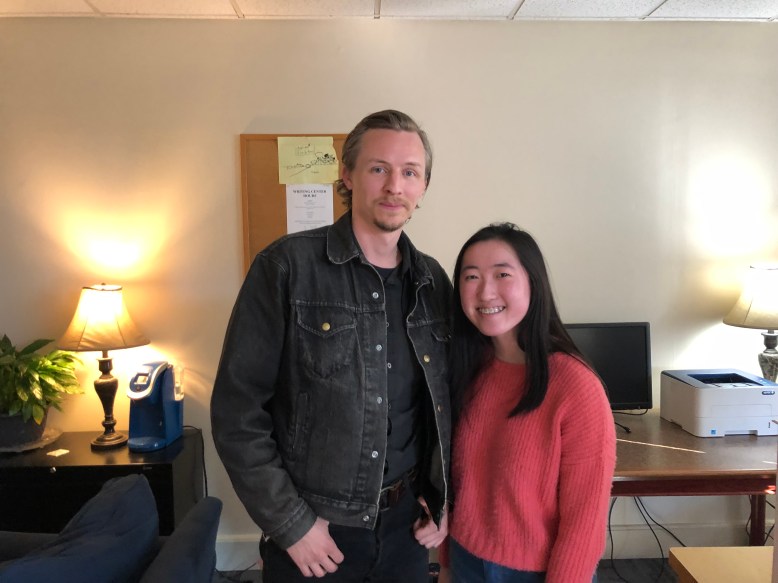
This interview was recorded on March 20, 2019, at a reading in the Writing Center of the Westminster Schools in Atlanta, Georgia. We would like to acknowledge the school, faculty members, English department, and Anders Carlson-Wee for their time and support.


Sarah Lao: What does your writing process look like? Where do you get inspiration?

Anders Carlson-Wee: I’m kind of a workhorse of a writer, meaning I’ll stubbornly sit down to write day after day even if I’m not feeling terribly inspired or like I’m not getting a good idea going. And I’m very comfortable, I think more than some people, drafting stuff that just isn’t good, at least in the beginning. So, if I’m on a good writing roll, I’ll just draft a fresh piece everyday. Most of those are terrible, and I throw them away, but once every couple weeks, something starts sticking, and I’m thinking “this piece might have some legs, and I might be able to grow it into something.” I’ll work on this piece for a while, and the process goes on. I’d say it takes me around a year and a half to finish a poem, and I go through a lot of different stages. I’ll show the piece to people who I trust as readers, I’ll go back to it and revise again and again, and I’ll just keep fine tuning it. Eventually, I’ll memorize it and start working on it in my head; I’ll walk around and keep doing the edits. It’s a long process, but in terms of inspiration, it’s hard to know where it all comes from. It’s really a bit of a mysterious process, but for me, I think a lot of it’s about noticing what gets me emotional and noticing what sort of things obsess my mind. Whether they’re stories or topics, I just find ways to write about it, and I’d say the majority of my attempts fail. But, I keep trying to find an angle in that will somehow bring it to life. And most of the pieces don’t work. And then finally some of them do, and I keep editing those. So, The Low Passions is a book of fifty-three poems. It took me more than ten years to write, and I probably drafted two thousand poems to get to the fifty-three.

SL: How did you get involved in poetry?

ACW: I’m dyslexic and when I was little, I didn’t really trust visuals. It took me a while to learn to read and to write, and I did what was called mirror writing which is where you write backwards, and then if you hold it up to a mirror, it looks correct. So it took me a while to learn those basic skills, and I depended a lot on the oral sounds and oral aspects of language. I would memorize long segments of dialogue, and then I was also being inundated with sermons because I was growing up in two churches with my parents. So I was around that a lot and didn’t really notice how much I was taking to it, but I think I really did have a kind of natural knack for memorizing language. But yeah I liked stories and everything but it didn’t really click as a life pursuit until I got to college. I was 21 when I started college, and I ended up in a class with a woman named Mary Cornish. She was such a good teacher, and she really brought poetry to life for me. A few weeks into that class, I was totally hooked, and I was ready to reshape my whole life to make poetry the center of it.

SL: Do you call yourself a poet?

ACW: No, I don’t really like saying I’m a poet when I’m meeting people. I think it’s mainly just the extra baggage of “poet” as a word instead of just saying “writer,” and that’s generally what I say if people ask me what I do. “Poet” seems a little loaded, and somehow it feels pretentious in a way to people—at least where I’m from. It’s a very practical culture in Minnesota. And I think my parents struggle with that as pastors, too. It makes you kind of outside of “normal” human daily life.


IMG_4238.jpg

Anders Carlson-Wee (left) with our Social Media Manager, Sarah Lao (right).


SL: Can you tell us a little bit about your newest book, The Low Passions?

ACW: Yeah, this collection is sort of a sequence of adventure stories. On the one hand, there’s a lot about traveling by freight train and bicycle and hitchhiking all around the country. And those adventure stories are counterpointed by these meditations on family that’s happening from the distance of being on the road.

SL: So, what does the phrase “the Low Passions” mean, and why did you pick it as the title for your collection?

ACW: The Low Passions is an obscure term from Christianity. It means all things of the earth, all things tangible, all things of this physical world, and it’s usually used in a derogatory sense to mean the things that seduce us, the things that make us feel greed or lust. It’s a derogatory term as opposed to the high passions, which would be everything spiritual and of heaven. I’m a very tactile person, very physical, and very oriented toward my body. And I think part of the project of the book for me was a desire to craft something that was lifting up those “low passions” theoretically, and the book kind of turned the term on its head and gave it a little more spiritual heft toward something more positive. Being someone who’s deeply invested in the earth and everything tangible—the tactile and the human body—I really wanted that to be considered sacred. So for me, “the Low Passions” was a term I grabbed onto because it was used in a derogatory sense, and fuck that. I wanted to find a way to honor that. Though I’m not religious personally, since I haven’t quite found a form of faith that works for me, I do think the Christian story is incredible, and one of the things that I really value is the idea that God comes down and becomes physical in the form of Jesus. And in that story, that’s the way to know God: through the physical, through the body, through the earth. To me, that’s a powerful story.

SL: How do you put your books together? Is there a specific process you go through?

ACW:  Right. So there’s so many permutations for how you might construct poems into a book. It’s overwhelming. I did have a very long stage where I spread it all out on the floor, and I stood on tables to get an eagle’s eye view just to see everything and try to trick myself into defamiliarizing it for myself. But honestly, my editor at Norton played a big role in shaping the final order. There was a good handful of poems that did a total swap from the front to the back and vice versa, and I think that really helped make the book pop in its final form. I wouldn’t have ever seen that, so that was a moment where having an editor was a great blessing to me.

SL: With how much The Low Passions captures these often forgotten, yet haunting glimpses of destitution and decay in America, and in light of last year’s controversy with “How-To,” how do you think it’s possible to respectively give a voice to those unheard without eliciting offense? Where does the line between artistic freedom and offensive speech start?

ACW: Yeah. I think art is an ongoing sequence of attempts. Artists are always kind of trying things, and all art is a leap into the unknown because art’s not something that needs to be duplicated. Like if you’re building houses, it’s fine to just build the same house twice, more or less, right? Let’s just build the house again. But with writing and with art, you’re not trying to build the same thing that artists of the past have built. You’re trying to find something new and create art into a new space. And so I think art is an ongoing series of attempts. If the attempts don’t work or don’t help the culture in some way, they fall into obscurity. People don’t need to interact with them, and that’s fine. But, if other forms of art seem to help a culture in some way, then they’ll stick around and become part of the zeitgeist and people’s imaginations. And that’s great. I think that’s healthy and good for art. People try things. Some of them work, and some of them don’t.

SL: Do you have any favorite words? Some words that you just enjoy sonically?

ACW: For me, I tend to favor the Anglo-Saxon aspects of the English language: the kind of monosyllabic words like “lake” and “rock” and “crust” that are very consonant heavy. Those types of words are very physical as far as forcing you to slow down because the more consonants you say, the more your mouth needs to come to complete rests before starting the next word. One thing that is really beautiful about the English language is that it combines those kinds of Anglo-Saxon words with a ton of influence from other romantic languages. You can have sentences that have these strong, percussive kind of consonant-heavy sounds that can be almost gravelly and very intense, and then you can suddenly have a word like “beautiful” which has a lot of flow and spreads out across a few syllables. And so in English, you can combine those two types to make some really cool sentences.

SL: So, what’s next? What are you working on currently?

ACW: Well, right now while I’m on tour, I’m just doing all the readings, but I am working on another book. I would not dare give anything away about it yet, but I’m excited to get back to it.


155448716410359295.gifANDERS CARLSON-WEE is the author of The Low Passions (W.W. Norton, 2019). His work has appeared in BuzzFeed, Ploughshares, Virginia Quarterly Review, Poetry Daily, The Sun, and many other places. His debut chapbook, Dynamite, won the Frost Place Chapbook Prize. The recipient of fellowships from the National Endowment for the Arts, the McKnight Foundation, the Camargo Foundation, Bread Loaf, Sewanee, and the Napa Valley Writers’ Conference, he is the winner of the 2017 Poetry International Prize. His work has been translated into Chinese. Anders holds an MFA from Vanderbilt University and lives in Minneapolis.

155448712822039068SARAH LAO is a sophomore at the Westminster Schools in Atlanta, Georgia. She currently edits for Evolutions Magazine, reads for Polyphony Lit, and serves as the Social Media Manager for Inklette Magazine. Her work has been published or is forthcoming in Sooth Swarm Journal, Liminality and the Inflectionist Review, among others. When she is not writing, she enjoys eating scones, playing piano, and spending time with her dog.